English

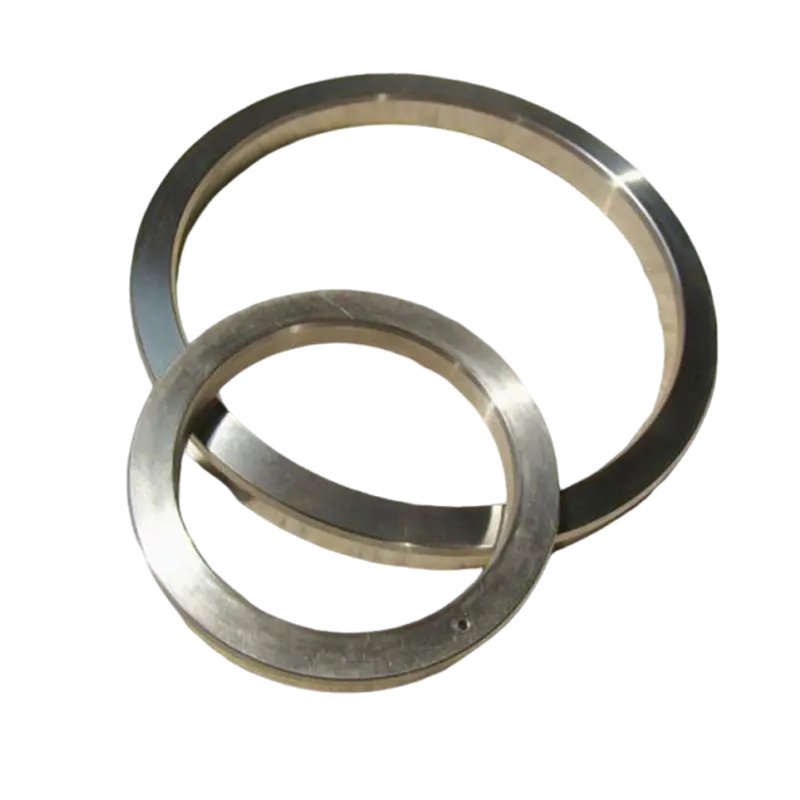
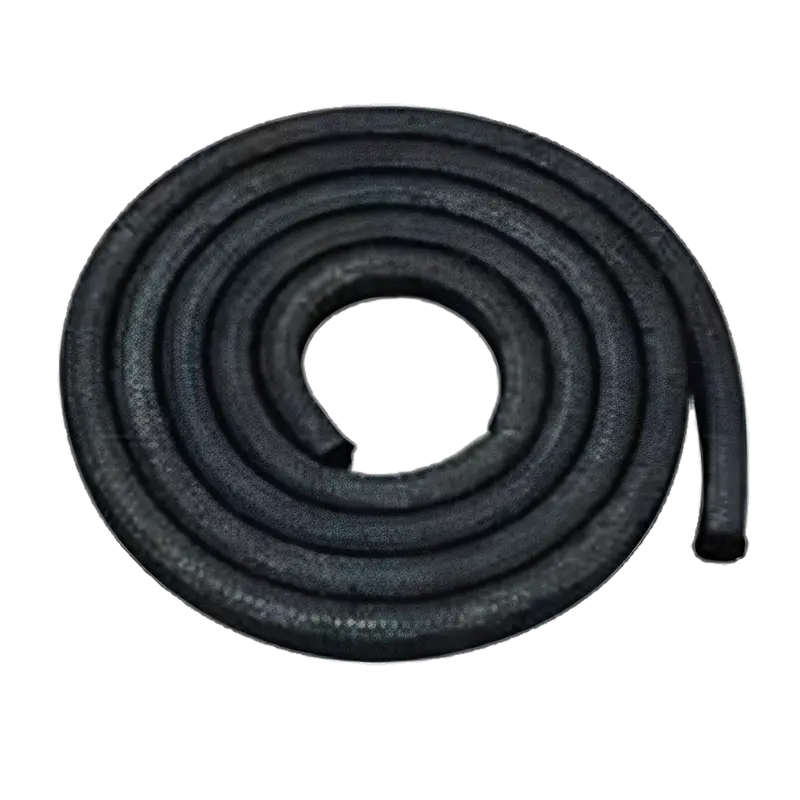
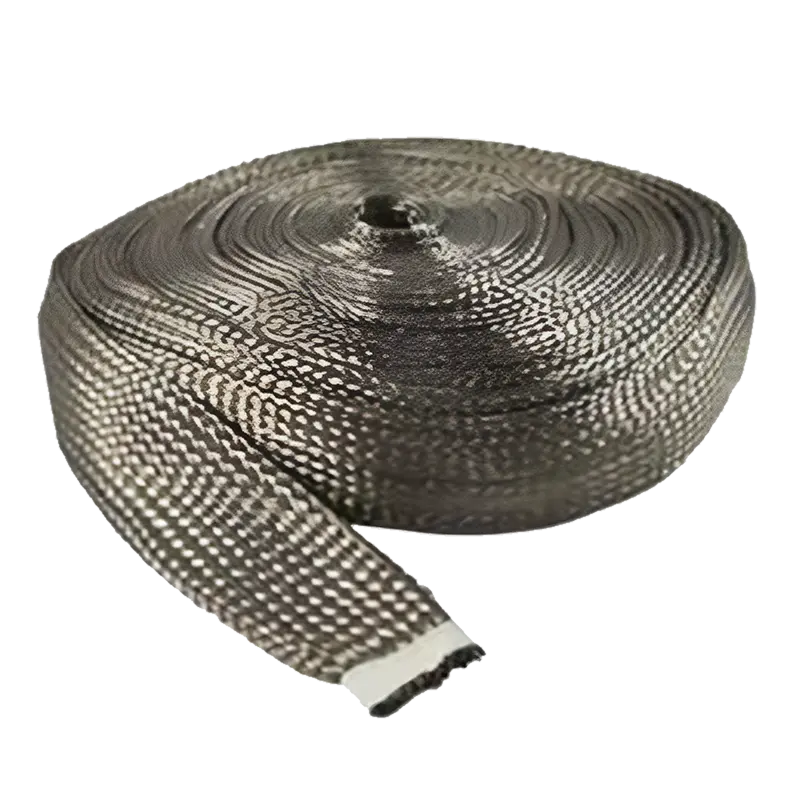
Vegetable fiber packing represents a significant advancement in sustainable industrial sealing solutions. Also known as plant fiber or bio-based packing, this material is engineered from renewable, naturally derived fibers processed to create durable, high-performance sealing elements. Unlike traditional packings made from synthetic materials like aramid or PTFE, vegetable fiber packing is primarily composed of fibers such as flax, jute, hemp, or cotton, often impregnated with lubricants and binders that are also derived from sustainable sources. The core principle is to utilize the inherent strength, flexibility, and temperature resistance of these natural fibers, transforming them into a reliable seal for rotating and reciprocating shafts in pumps, valves, and mixers. Its development is a direct response to the growing global demand for eco-friendly industrial components that do not compromise on technical performance. Kaxite has been at the forefront of refining this technology, ensuring our vegetable fiber packing meets the rigorous demands of modern industry while supporting environmental stewardship.
The shift towards vegetable fiber packing is driven by a compelling combination of environmental, performance, and economic benefits.
Kaxite's vegetable fiber packing is manufactured to precise specifications to ensure reliability across diverse applications. Below are the detailed product parameters presented in both list and table formats for clarity.
| Parameter | Specification / Value | Test Standard |
|---|---|---|
| Temperature Range | -20°C to +120°C (-4°F to +248°F) continuous Peak: Up to 150°C (302°F) for short periods |
ASTM E831 |
| pH Range | 4 - 12 (Excellent resistance to mild acids and alkalis) | ASTM D543 |
| Density | 1.10 - 1.25 g/cm³ | ASTM D792 |
| Tensile Strength | > 120 MPa | ASTM D2256 |
| Chemical Compatibility | Hot/Cold Water, Steam, Aliphatic Hydrocarbons, Vegetable Oils, Mild Acids & Bases, Alcohols, Air, Inert Gases | Based on Material Safety Data |
| Recommended Shaft Speed | Up to 15 m/s (3000 ft/min) | Industry Standard Practice |
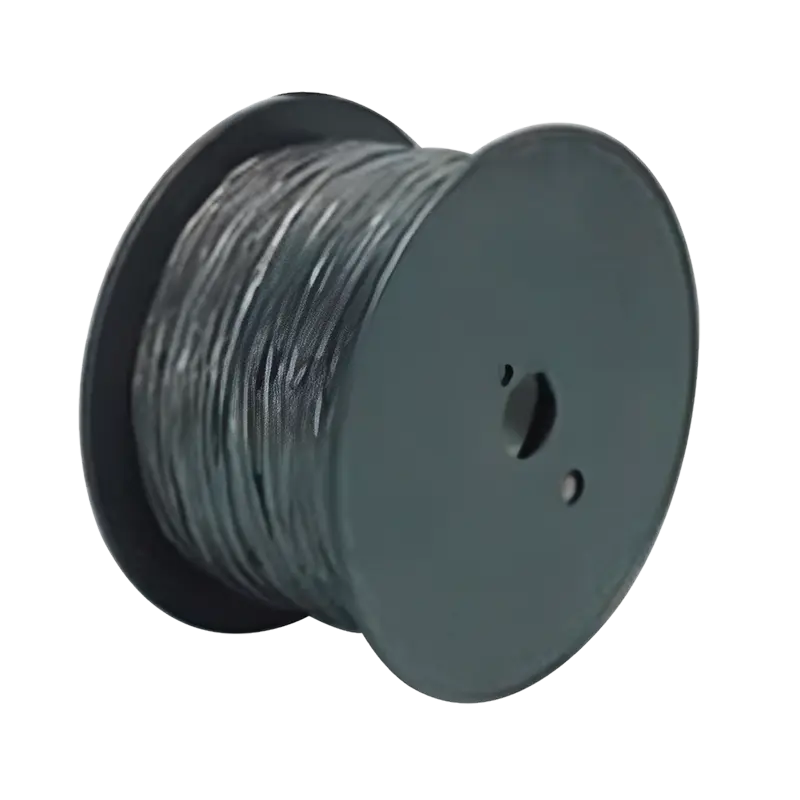
| Packaging | Spools of 50 ft (15.24m) and 100 ft (30.48m); Pre-cut ring sets available | - |
| Standard Sizes (Square Section) | 1/4" (6mm), 3/8" (10mm), 1/2" (13mm), 5/8" (16mm), 3/4" (19mm), 1" (25mm) | - |
This versatile packing is the ideal choice for a wide array of standard industrial sealing tasks, particularly where environmental compatibility and non-contamination are valued.
Q: Is vegetable fiber packing suitable for high-speed pump applications?
A: Kaxite vegetable fiber packing is recommended for shaft speeds up to 15 m/s. For very high-speed applications exceeding this limit, specialized synthetic packings like aramid or carbon fiber may be more appropriate. It excels in moderate-speed applications common in water, chemical, and general industrial service.
Q: How does the installation process differ from synthetic packing?
A: The installation process is very similar. Rings are cut precisely to the shaft circumference, staggered at 90-degree joints, and carefully installed into the stuffing box. The key difference is that vegetable fiber packing may require slightly less initial compression as it is more conformable. Always follow the manufacturer's installation guide, like the one provided by Kaxite, for optimal results.
Q: Can it be used with aggressive chemicals like strong acids or solvents?
A: No, Kaxite vegetable fiber packing is not recommended for aggressive chemicals such as strong mineral acids (e.g., sulfuric, hydrochloric), strong caustics, oxidizing agents, or aggressive organic solvents. Its compatibility is excellent within a pH range of 4-12 and with the specific media listed in the chemical compatibility chart. For aggressive chemicals, consult Kaxite for PTFE or other chemically inert packing options.
Q: What is the expected service life compared to graphite or PTFE packing?
A> Service life depends entirely on the application conditions (fluid, temperature, shaft speed, alignment). In its ideal service range (hot water, steam, mild chemicals), a well-installed Kaxite vegetable fiber packing can have a service life comparable to or even exceeding standard PTFE braided packings and is often more cost-effective. High-purity graphite or advanced PTFE packings may last longer in extreme temperature or abrasive service, but at a significantly higher cost.
Q: Is lubrication required during operation?
A: Kaxite's packing is pre-impregnated with a sustainable lubricant. In most applications with water or steam, this is sufficient. However, for dry-running or very hot services, a supplemental lubricator (drip feed) using water or a compatible fluid may be recommended to minimize friction and extend packing life. The need for external lubrication is generally less than with dry-braided synthetic styles.
Q: How do I dispose of used vegetable fiber packing?
A: One of its primary benefits is end-of-life disposal. Used Kaxite vegetable fiber packing can typically be disposed of as general industrial waste, as it is biodegradable and non-hazardous. Always check with local waste management regulations. This contrasts sharply with some synthetic packings that may require special handling.
Q: Does Kaxite offer custom sizes or formulations?
A: Yes. While Kaxite stocks a comprehensive range of standard sizes, we offer custom braiding for special sizes, alternative fiber blends (e.g., higher jute content for specific abrasion resistance), or tailored impregnations to meet unique application requirements. Contact our technical support team with your specifications.


