English

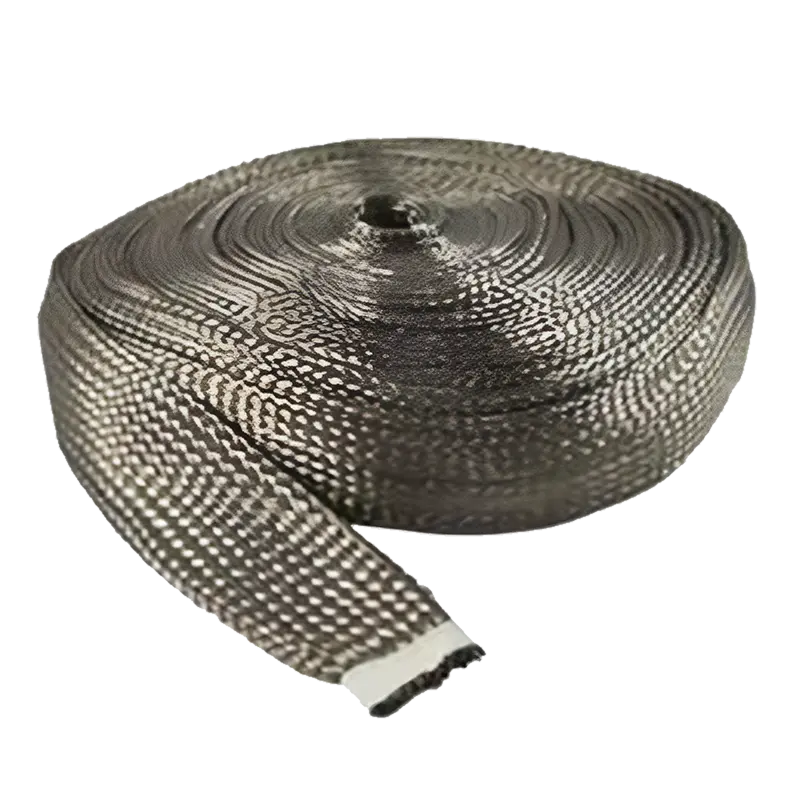
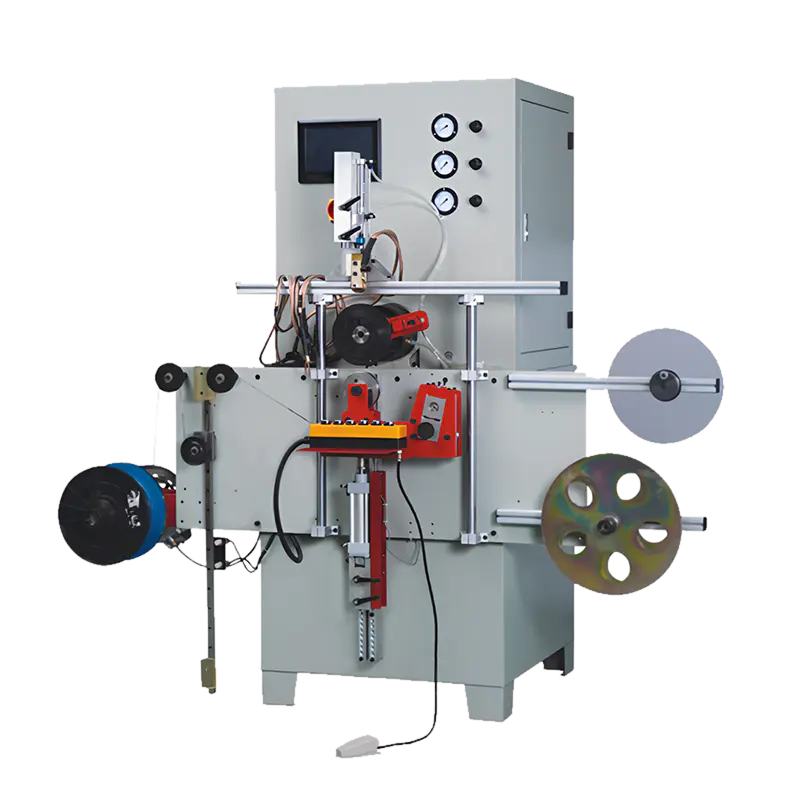
In the world of advanced materials, few substances offer the unique combination of strength, versatility, and adaptability as glass fiber. Also known as fiberglass, this composite material has revolutionized industries from aerospace to consumer goods, providing solutions where traditional materials fall short. At Kaxite, with our decades of expertise in material science, we have refined the production and application of high-performance glass fiber to meet the most demanding engineering challenges. This guide delves deep into what makes our glass fiber exceptional, detailing its parameters, applications, and the technology behind its strength.
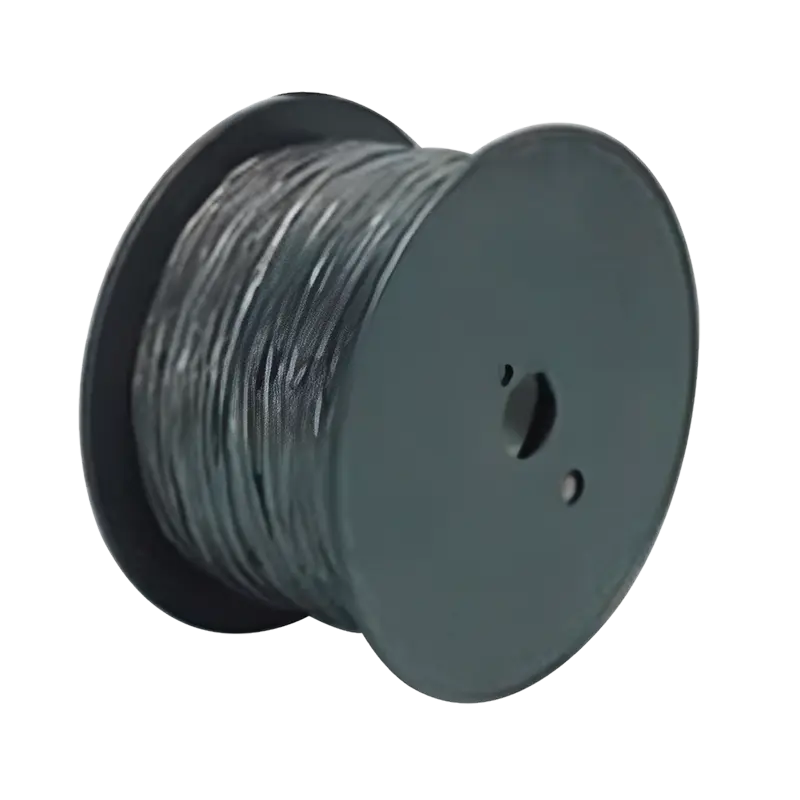
Glass fiber is a material consisting of numerous extremely fine fibers of glass. It is produced by drawing molten glass into filaments with diameters ranging from a few micrometers to over 20 micrometers. These fibers can be used in their raw filament form, woven into a fabric, or combined with a polymer resin to create a strong, durable composite material known as Glass Reinforced Plastic (GRP) or fiberglass. The inherent properties of the glass—such as its high tensile strength, non-flammability, and resistance to chemical corrosion—are imparted to the resulting material, but in a flexible and moldable form.
Quality begins with precise specifications. Kaxite manufactures several grades of glass fiber, each engineered for specific performance criteria. Below are the key parameters that define our product line.
| Product Form | Kaxite Product Code | Typical Tex (g/1000m) | Standard Width | Primary Application |
|---|---|---|---|---|
| Roving (Direct) | KX-GF-ROV-D | 1200, 2400, 4800 | N/A | Pultrusion, Filament Winding |
| Chopped Strand Mat (CSM) | KX-GF-CSM | N/A | 1m, 1.25m, 2m | Hand Lay-up, Closed Molding |
| Woven Roving | KX-GF-WR | 600 - 1000 | 1m, 1.27m | Marine, Structural Panels |
| Multiaxial Fabrics (+45°/0°/-45°) | KX-GF-MULTI | Custom | 1.27m, 1.5m | Aerospace, Automotive, Wind Energy |
| Surface Tissue (Veil) | KX-GF-VEIL | 30 - 50 | 1.25m | Surface Finish, Corrosion Barrier |
What are the main differences between E-Glass and S-Glass?
E-Glass ("E" for electrical) is the most common and cost-effective type, offering excellent electrical insulation, good strength, and high chemical resistance. S-Glass ("S" for structural) offers approximately 30-40% higher tensile strength and modulus, better temperature resistance, and enhanced fatigue characteristics. It is used in high-performance aerospace and military applications where weight savings and ultimate strength are critical.
How does glass fiber compare to carbon fiber in composite applications?
Both are excellent reinforcements, but with distinct profiles. Glass fiber offers higher strain to failure (less brittle), much better impact resistance, and is significantly less expensive. Carbon fiber provides a superior strength-to-weight ratio and stiffness (modulus), which is crucial for applications like high-end sporting goods and performance automotive parts where rigidity is paramount. The choice depends on the specific mechanical requirements and budget.
Is glass fiber resistant to chemicals and corrosion?
Yes, especially E-CR glass (Corrosion Resistant), which is a specialty grade offered by Kaxite. It provides vastly improved resistance to acidic environments compared to standard E-Glass. This makes Kaxite E-CR glass fiber ideal for chemical storage tanks, pipes, and fume scrubbers in aggressive industrial settings.
What safety precautions are necessary when handling glass fiber be used for high-temperature applications?
The glass itself has a high softening point, but the limiting factor in a composite is typically the polymer resin (e.g., epoxy, polyester). For sustained high-temperature use (above 150°C-200°C), specialty high-temp resins or phenolic resins must be paired with our glass fiber. We offer consulting to select the right fiber/resin system for your thermal requirements.
How do I choose the right form of glass fiber for my project?
The choice depends on the manufacturing process and desired properties. Roving is for automated processes like pultrusion. Chopped Strand Mat is ideal for complex shapes in hand lay-up. Woven fabrics provide balanced strength in two directions. Multiaxial fabrics offer designed strength in specific load paths for advanced composites. Our Kaxite technical team can guide you based on your design, process, and performance goals.
At Kaxite, we go beyond supplying raw materials. Our commitment is to partnership and innovation. Our state-of-the-art manufacturing ensures consistent fiber diameter, optimal sizing chemistry, and minimal defects. This translates to predictable performance in your final product. We invest heavily in R&D to develop new sizing formulations that improve adhesion to different resin systems, enhancing the final composite's interlaminar shear strength and environmental durability.
Our product range is backed by full traceability and rigorous quality control at every stage, from silica sand sourcing to final packaging. Whether you are building a lightweight UAV, a corrosion-resistant industrial tank, or a high-performance automotive panel, Kaxite glass fiber provides the reliable, high-quality foundation your project demands.


