English

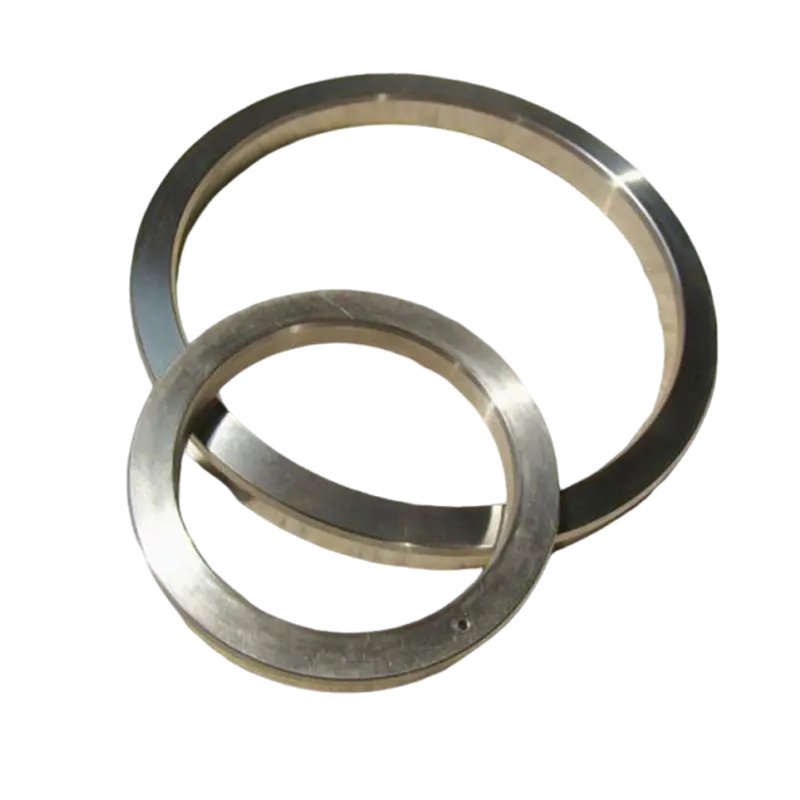
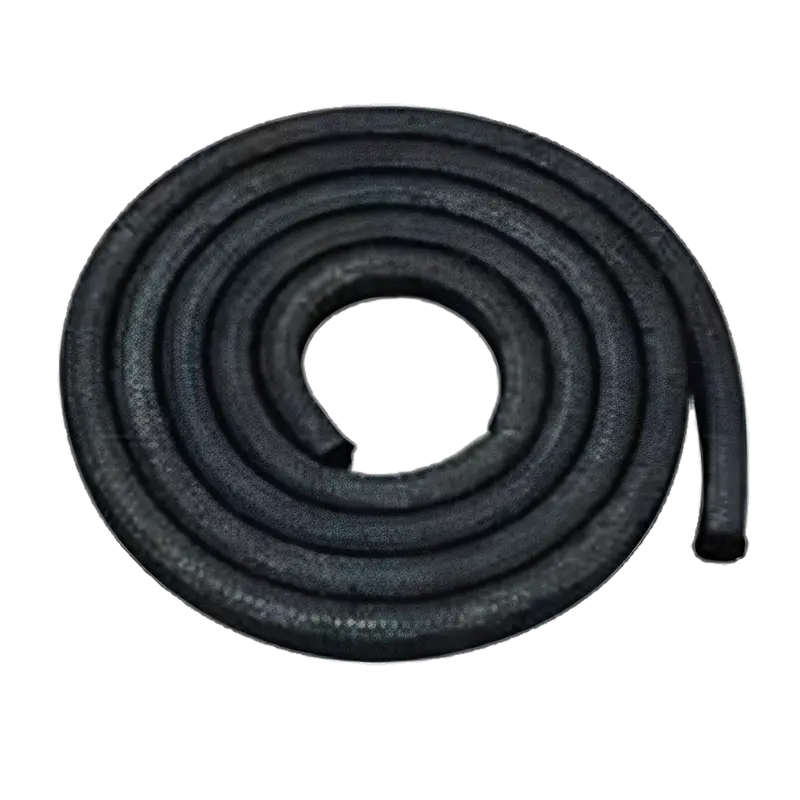
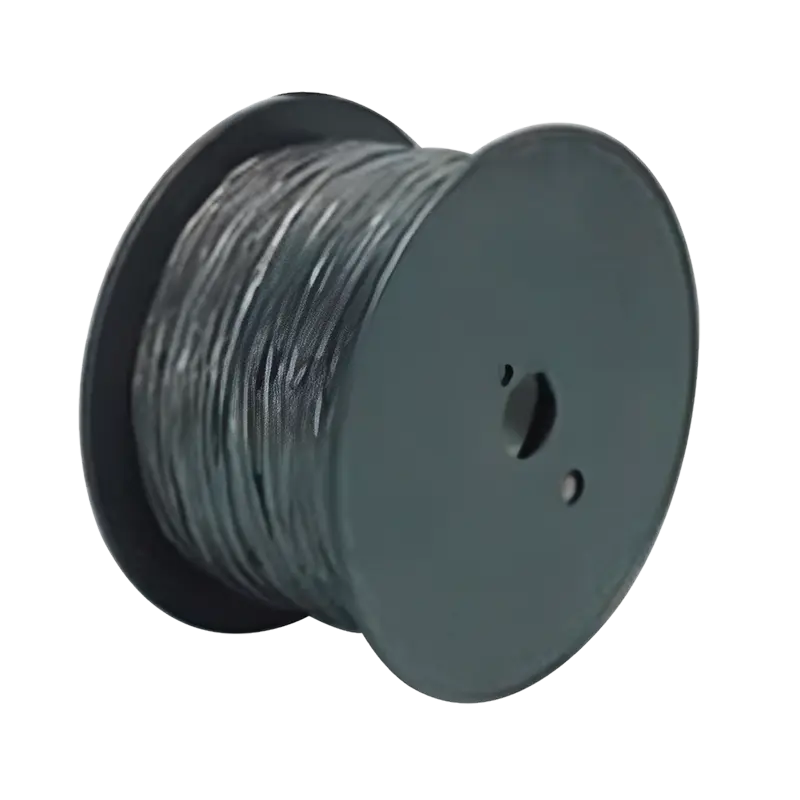
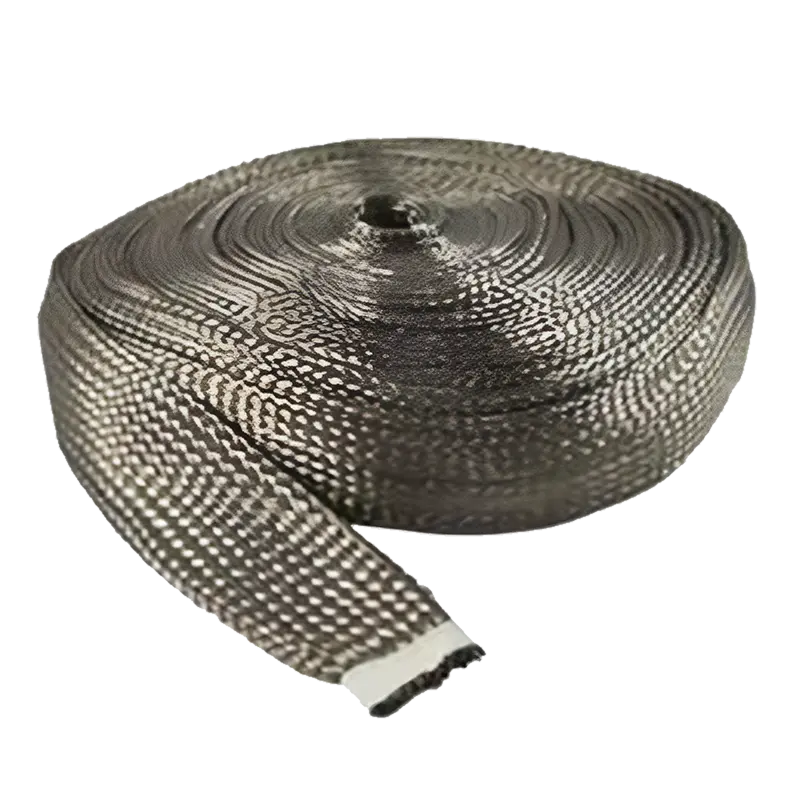

In the demanding world of industrial sealing, Synthetic Fiber Packing stands as a cornerstone solution for controlling leakage in pumps, valves, mixers, and other rotary or reciprocating equipment. Unlike traditional materials like flax or cotton, modern synthetic fiber packings are engineered from advanced, high-performance filaments such as aramid, carbon, PTFE, and fiberglass. These materials are impregnated with lubricants and PTFE to deliver exceptional durability, chemical resistance, and thermal stability. At Kaxite, we specialize in manufacturing premium-grade synthetic fiber packing designed to meet the rigorous challenges of diverse industrial applications, from chemical processing and power generation to marine and pulp & paper industries. Our products are formulated to reduce maintenance downtime, extend service life, and provide a reliable seal under high-pressure and high-speed conditions.
The selection of the correct packing is critical for operational efficiency and safety. A poorly chosen packing can lead to excessive shaft wear, increased energy consumption due to over-tightening, and frequent failures. Kaxite's synthetic fiber packings are precisely engineered to balance sealing effectiveness with minimal friction, protecting valuable equipment while ensuring long-term, leak-free performance. This guide details the key parameters, technical specifications, and application knowledge necessary for specifying the ideal synthetic fiber packing for your system.
Understanding the technical parameters of synthetic fiber packing is essential for optimal selection. Below are the core characteristics that define performance.
Fibers are typically impregnated with lubricants to reduce friction and heat generation. Common impregnants include:
| Product Series | Core Fiber | Max Temperature | pH Range | Max Shaft Speed (m/s) | Primary Applications |
|---|---|---|---|---|---|
| Kaxite SF-Aramid | Aramid | 550°F (288°C) | 2 - 12 | 25 | Boiler feed pumps, hot oil, general service |
| Kaxite SF-Carbon | Carbon | 600°F (316°C) | 0 - 14 | 20 | Aggressive chemicals, acids, alkalis, high-temp valves |
| Kaxite SF-PTFE | PTFE | 500°F (260°C) | 0 - 14 | 15 | Food & beverage, pharmaceuticals, ultra-pure chemicals |
| Kaxite SF-Glass | Fiberglass | 1000°F (538°C) | 2 - 11 | 18 | Superheated steam, hot water, flue gas dampers |
| Kaxite SF-PAN | Polyacrylonitrile | 300°F (149°C) | 4 - 10 | 22 | Marine, water treatment, oils and fuels |
What is the main advantage of synthetic fiber packing over traditional braided packings?
Synthetic fiber packings offer significantly superior performance in terms of temperature resistance, chemical compatibility, and mechanical strength. Materials like aramid and carbon can withstand much harsher environments (higher temperatures, aggressive pH levels) than natural fibers like flax or cotton. They also provide longer service life, reduced shaft wear, and require less adjustment and maintenance, leading to lower total cost of ownership.
How do I select the right synthetic fiber packing for my application?
Selection requires analyzing several key operating conditions: the fluid or gas being sealed (chemical composition, abrasiveness), operating temperature and pressure, shaft speed (RPM or surface speed), and the equipment type (pump, valve, mixer). Cross-reference these parameters with the manufacturer's specifications, like the Kaxite table above. For complex or critical services, consulting with a technical specialist from Kaxite is recommended to ensure optimal compatibility and performance.
Can Kaxite synthetic fiber packing be used in potable water applications?
Yes, specific grades are designed for this. Our Kaxite SF-PTFE series is inherently inert and meets FDA requirements for incidental food contact. For standard potable water, our Kaxite SF-PAN or specially lubricated aramid grades are excellent, non-contaminating choices. Always confirm the specific product's certifications for your application.
What is the proper installation procedure for braided synthetic packing?
Proper installation is crucial. Key steps include: cleaning the stuffing box thoroughly; using rings cut exactly to size (butt-cut, not angled) with joints staggered; using a compression mandrel for correct ring sizing; following the manufacturer's recommended initial gland tightening; and allowing a brief run-in period before final adjustment. Never overtighten the gland, as this causes excessive heat, wear, and rapid failure.
How does shaft surface finish affect synthetic packing performance?
Shaft or sleeve surface finish has a direct impact on packing life and leakage control. A finish that is too rough (e.g., above 32 micro-inches Ra) will abrade the packing rapidly. A finish that is too smooth (e.g., below 8 micro-inches Ra) may not retain enough lubricant film. A recommended surface finish between 8-32 micro-inches Ra (0.2-0.8 µm Ra) is ideal for most synthetic fiber packings to ensure proper lubrication transfer and minimal wear.
Is leakage normal with synthetic fiber packing?
A slight amount of leakage (often just enough to lubricate and cool the packing set) is normal and even desirable for many applications with traditional packing. The goal is to manage this leakage to a minimal, acceptable drip rate. However, for applications requiring zero leakage (emission control, hazardous fluids), a different sealing solution like a mechanical seal might be more appropriate. Modern, premium synthetic fiber packings from Kaxite are designed to achieve very low leakage rates when installed and adjusted correctly.
What are the signs that my synthetic fiber packing needs to be replaced?
Common indicators include: a persistent increase in leakage that cannot be controlled by gland adjustment, a noticeable increase in stuffing box temperature (indicating excessive friction), visible physical degradation of the packing (fraying, hardening, powdering), or a spike in energy consumption of the pump/motor due to excessive drag from overtightened or swollen packing.
Can I mix different types or brands of packing in one stuffing box?
This is strongly discouraged. Different packings have varying wear rates, lubrication methods, and thermal expansion properties. Mixing types can lead to uneven load distribution, accelerated wear on one ring, and unpredictable sealing performance. Always use a complete set of identical rings from a single manufacturer, such as a full Kaxite set, to ensure consistent and reliable operation.


