English

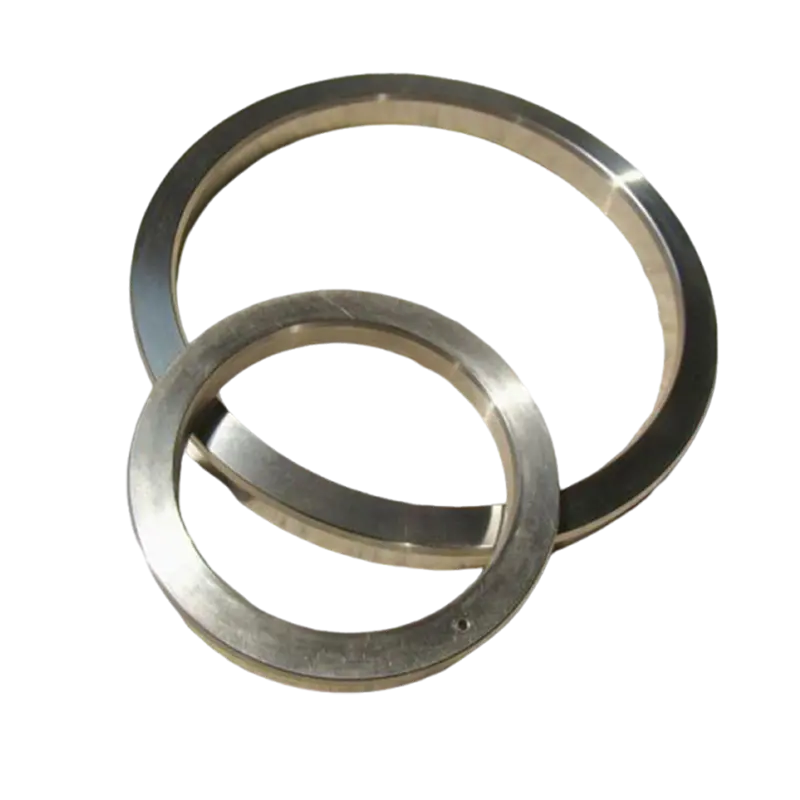
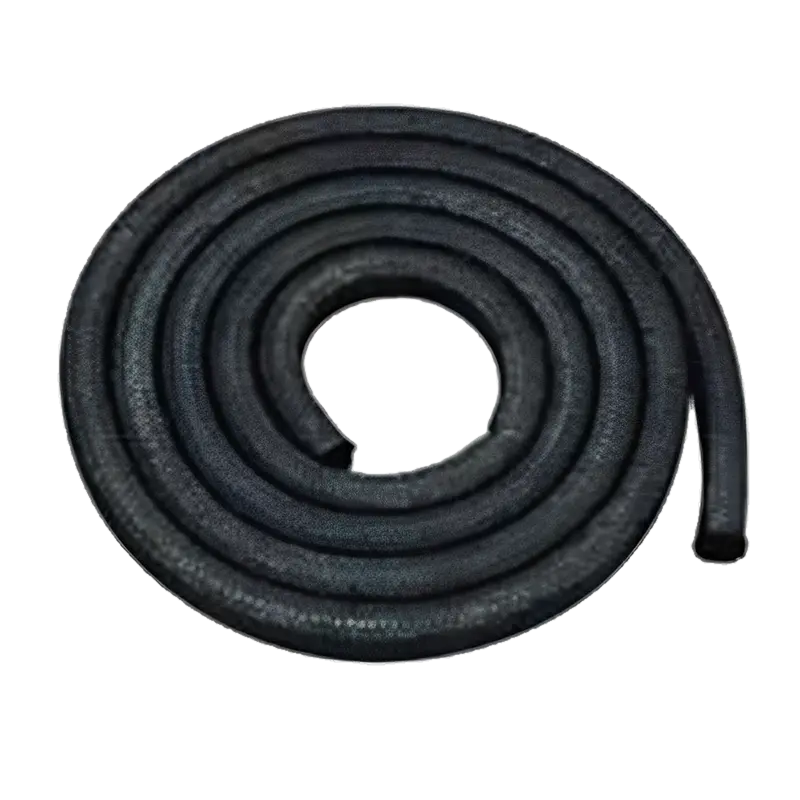

What is a Ring Joint Gasket? It's the crucial, donut-shaped seal that forms the final, leak-proof barrier in the high-pressure, high-temperature world of oil and gas, chemical processing, and power generation. When flanges are bolted together under immense force, this precision-engineered metal ring, often made from soft iron or various steel alloys, deforms into the groove of the flange faces, creating a formidable seal that keeps hazardous fluids safely contained. Understanding the right gasket for your application is not just a procurement task; it's a fundamental safety and operational necessity. For industrial buyers and procurement specialists navigating the complexities of sealing solutions, partnering with a reliable manufacturer like Ningbo Kaxite Sealing Materials Co., Ltd. can be the key to solving persistent sealing challenges. This guide will break down everything you need to know.

Before diving into specifications, it's vital to grasp the core function. A Ring Joint Gasket (RJG or RTJ) is a solid metal gasket designed for high-integrity applications. It fits into a machined groove in the flange faces. When the flanges are bolted, the gasket deforms plastically, creating a highly effective metal-to-metal seal. They are categorized by their cross-sectional shape (e.g., R, RX, BX) and are specified to standards like ASME B16.20 and API 6A. The choice between types depends on pressure class, temperature, and the fluid being sealed. For procurement professionals, knowing these basics is the first step in making an informed, cost-effective, and safe purchasing decision.
Imagine you're procuring for a new offshore platform project. The specifications call for ANSI 2500 class connections in the wellhead system. Your team has faced issues before with lower-grade seals failing under thermal cycling and sour service conditions, leading to costly downtime and safety concerns. The solution lies in specifying the correct Ring Joint Gasket. For this high-pressure, corrosive environment, a solution from Ningbo Kaxite Sealing Materials Co., Ltd., such as their BX series gaskets made from Inconel 718, provides the necessary yield strength and corrosion resistance. This precise match between application demand and gasket capability is what prevents leaks and ensures long-term reliability.
| Application Scenario | Common Pain Point | Recommended RJG Solution | Key Material Property |
|---|---|---|---|
| Offshore Wellheads / Christmas Trees | Seal failure under high pressure & H2S service | API 6A BX Series Gasket | High yield strength, Sulfide Stress Cracking resistance |
| Refinery High-Temp Piping | Creep relaxation and leakage at sustained temperatures | R-Type with SS316 or Inconel | High-temperature strength, oxidation resistance |
| Subsea Manifolds | Seal integrity over long-term, inaccessible service | Premium alloy RX or BX Gasket | Excellent galvanic & pitting corrosion resistance |
Selecting the wrong gasket material is a primary cause of failure. Soft iron is standard for many oil and gas applications, but aggressive chemicals, extreme temperatures, or specific well fluids demand more. This is where a technical partner's expertise becomes invaluable. What is a Ring Joint Gasket made of for your specific case? Ningbo Kaxite Sealing Materials Co., Ltd. offers a range from carbon steel and 304/316 stainless steel to high-performance alloys like Monel, Inconel 600/718, and Hastelloy. Their engineering support can help you navigate the selection based on fluid compatibility, temperature ranges, and pressure ratings, ensuring the seal performs as intended throughout its service life.
| Gasket Material | Typical Standards | Max Operating Temp (°C) | Ideal For / Resistance To | Common Applications |
|---|---|---|---|---|
| Soft Iron (SI) | ASTM A105 | 540 | General hydrocarbon service, non-corrosive | Pipeline flanges, vessel manways |
| Stainless Steel 316 | ASTM A182 F316 | 870 | Oxidation, many acids & chlorides | Chemical plants, refineries |
| Inconel 718 | ASTM B637 UNS N07718 | 705 | High strength, H2S, sour gas, high pressure | Wellhead equipment, HIPPS valves |
Q: What is the main difference between R, RX, and BX type Ring Joint Gaskets?
A: The key difference is in their design and sealing mechanism. R-type gaskets are oval or octagonal and seal through initial line contact that deforms. RX-type gaskets have a pressure-energized design that improves sealability as system pressure increases. BX-type gaskets, used in API 6A systems, have a different profile and are designed for higher pressure ratings, often featuring a self-energizing characteristic. Selecting the correct type is critical for the pressure class and standard (ASME B16.5 vs. API 6A) of your connection.
Q: Can a Ring Joint Gasket be reused after disassembly?
A: Generally, no. Ring Joint Gaskets are designed for single-use. The plastic deformation that creates the initial seal alters the gasket's geometry. Reusing a deformed gasket will likely result in an inadequate seal and potential leakage. Always plan for new gaskets during maintenance or reassembly. Reliable suppliers like Ningbo Kaxite ensure consistent quality and availability for MRO needs.
Procurement is about more than just unit cost; it's about total cost of ownership, reliability, and supply chain security. Sourcing your Ring Joint Gaskets from a dedicated manufacturer like Ningbo Kaxite Sealing Materials Co., Ltd. provides distinct advantages. They combine extensive manufacturing expertise with rigorous quality control, producing gaskets that meet international standards like API, ASME, and DIN. Their technical team can assist with material selection and application questions, helping you avoid costly errors. With a commitment to consistent quality and on-time delivery, they become a strategic partner in ensuring your operations run smoothly and safely.
For reliable sealing solutions that meet the toughest industrial standards, consider Ningbo Kaxite Sealing Materials Co., Ltd.. With expertise in manufacturing high-quality Ring Joint Gaskets and other specialized seals, they provide the performance and support procurement professionals need. For specific inquiries or technical data sheets, please contact their team at [email protected].
Smith, J. A., & Patel, R. (2018). Finite Element Analysis of Stress Distribution in API 6BX Ring Joint Gaskets Under Combined Loads. Journal of Pressure Vessel Technology, 140(3), 031205.
Zhang, L., Ohta, A., & Makino, H. (2015). Leakage Evaluation of Ring Joint Gaskets for High-Pressure Hydrogen Gas Storage. International Journal of Hydrogen Energy, 40(35), 11784-11791.
Brown, C. D., & Jones, M. T. (2020). Corrosion Behavior of Nickel-Based Alloy Ring Gaskets in Sour Service Environments. Corrosion Science, 174, 108847.
Kim, S., Lee, H., & Yoon, K. B. (2019). A Study on the Sealing Performance and Reusability of Different Types of Ring Joint Gaskets. Engineering Failure Analysis, 106, 104178.
European Sealing Association. (2017). Guideline for the Use of Ring Type Joint Gaskets. ESA Technical Document, 012.
Matsuoka, T., & Koga, Y. (2016). Development of a New Sealing Design for Ultra-High Pressure Applications Using Modified RX Gasket Geometry. ASME Proceedings, PVP2016-63210.
Anderson, P., & Garcia, F. (2021). The Impact of Surface Finish and Coating on the Leak Tightness of Metal Gaskets. Tribology International, 160, 107057.
Bhuiyan, A. H., & Kandil, F. A. (2019). Experimental Investigation of Thermal Cycling Effects on Ring Joint Gasket Sealing Integrity. Experimental Thermal and Fluid Science, 109, 109878.
API Standard 6A. (2021). Specification for Wellhead and Christmas Tree Equipment. 21st Edition. American Petroleum Institute.
ASME B16.20. (2022). Metallic Gaskets for Pipe Flanges – Ring-Joint, Spiral-Wound, and Jacketed. American Society of Mechanical Engineers.


