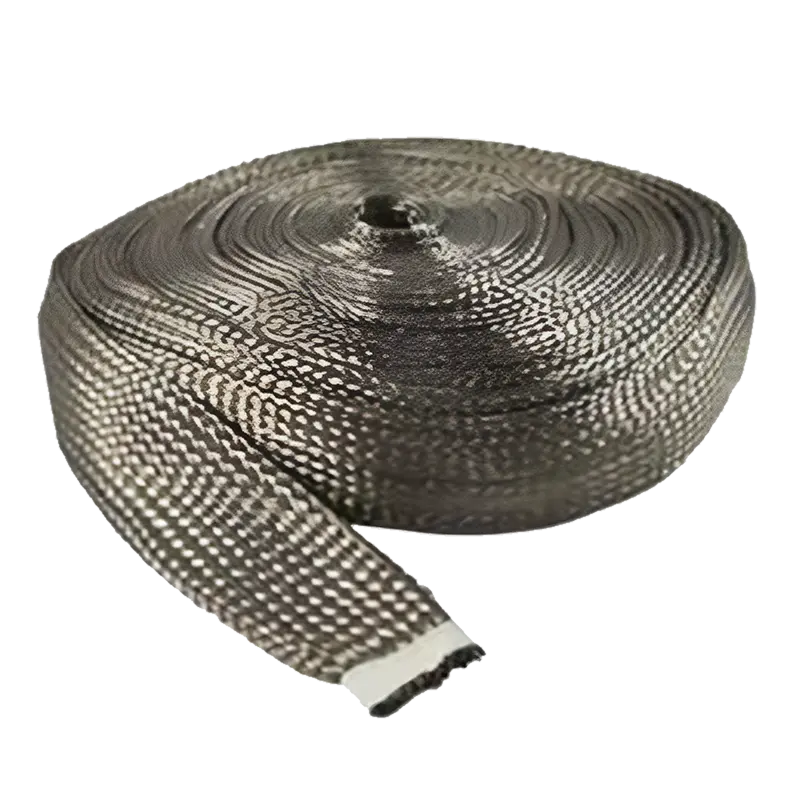
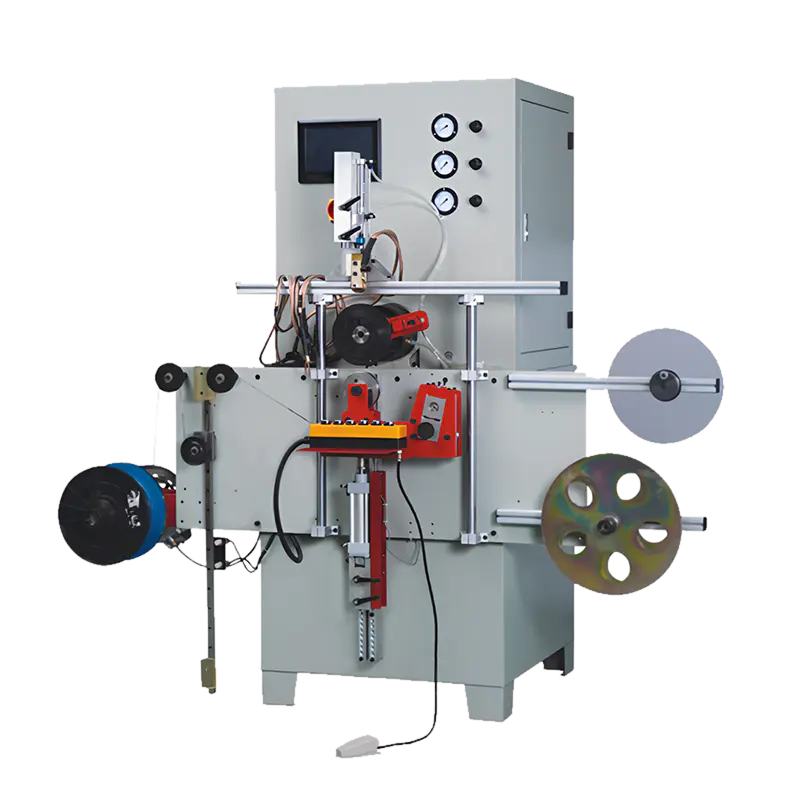
PTFE fiber, or polytetrafluoroethylene fiber, is one of the most versatile high-performance materials used across heavy industries, medical fields, and advanced manufacturing. Its unique combination of thermal stability, chemical inertness, low friction, and high dielectric strength makes it indispensable in environments where other materials fail. But what truly defines its value for procurement professionals and engineers is the question: What are the main applications of PTFE fiber? From braided compression packings that stop leaks in corrosive fluid systems to needle-punched felts that filter aggressive gases at 260°C, PTFE Fiber answers challenges that standard synthetics cannot. It also finds use in surgical sutures, aerospace wiring harnesses, and even architectural membranes. Yet many sourcing specialists still struggle with inconsistent filament quality, unpredictable shrinkage rates, and suppliers who fail to deliver full traceability — problems that directly affect maintenance cycles and operating costs. This guide breaks down the key application areas, explains the pain points buyers face, and shows how modern manufacturing control can turn a commodity-like PTFE fiber into a reliable, repeatable solution.
Pain point scenario: A petrochemical plant struggles with frequent gland failures on pumps handling mixed aromatics at 240°C. Graphite-impregnated packings extrude, harden, and score the shaft after only three weeks, causing unscheduled shutdowns that cost $18,000 per hour in lost production. Maintenance teams spend hours retorquing and replacing packing rings, and inventory of several different packing grades becomes unmanageable.
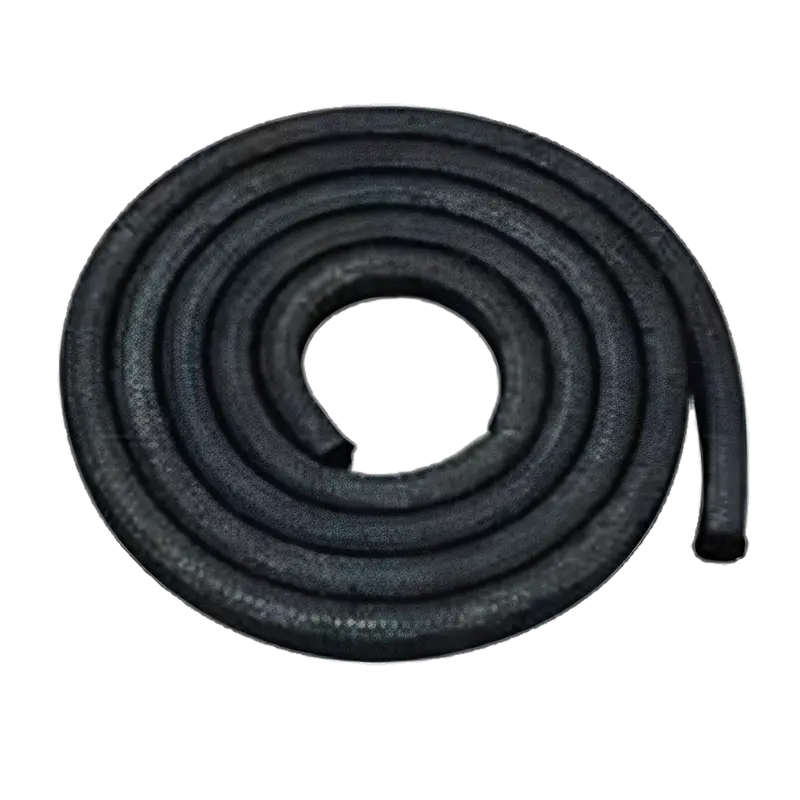
Solution using PTFE fiber: Braided pump packing made from expanded PTFE fiber with a proprietary break-in lubricant offers an optimal balance of thermal endurance and conformability. The fiber’s structure allows it to deform slightly under gland pressure, sealing the stuffing box without excessive friction. Because PTFE fiber inherently resists almost all chemicals (pH 0–14), it eliminates swelling or degradation. At Ningbo Kaxite Sealing Materials Co., Ltd., we engineer PTFE filament with precisely controlled denier and tensile strength to produce packing that cuts downtime by 40–60% in field trials. Our fully traced lots allow procurement managers to match the exact fiber specification to each pump class, reducing SKU complexity.
Parameter
Typical Value (Kaxite PTFE Packing Fiber)
Industry Requirement
Max continuous operating temperature
260°C
≥ 250°C for refinery services
pH resistance
0 – 14 (inert)
0 – 14
Filament tensile strength
≥ 2.8 g/den
≥ 2.5 g/den
Shrinkage (2 hrs @ 250°C)
< 3%
< 5%
Friction coefficient (dry)
0.05 – 0.08
≤ 0.10
2. Filtration Media for Aggressive and Corrosive Streams
Pain point scenario: A chemical processor producing titanium dioxide experiences rapid baghouse filter failure. The hot gas stream loaded with hydrochloric acid vapor and fine TiO₂ particles quickly degrades aramid felt filters, leading to visible stack emissions and regulatory fines. Maintenance becomes a weekly emergency, and filter replacement costs alone exceed $120,000 annually.
Solution with PTFE fiber needle-felt: PTFE felt produced from staple PTFE fiber withstands continuous exposure to acid attack and oxidizing agents up to 260°C. Its naturally hydrophobic surface promotes cake release, extending filtration cycles by 3–5 times compared to conventional media. Ningbo Kaxite Sealing Materials Co., Ltd. supplies high-crimp PTFE staple fiber optimized for hydroentangling and needle-punching processes, ensuring uniform web density and low pressure drop. Buyers receive fiber with documented fusing point and lubrication content, making it straightforward to validate filter media performance before full-scale production. This repeatability solves the common complaint of batch-to-batch variation.
Parameter
Kaxite PTFE Staple Fiber
OEM Filter Spec
Cut length
40 – 76 mm (±1 mm)
51 mm typical
Linear density
3.3 – 6.7 dtex
adjustable
Oil content
0.15 – 0.35%
< 0.5%
Temperature limit (continuous)
260°C
260°C
Shrinkage (hot air 250°C, 5 min)
< 2%
< 3%
3. Medical Sutures and Implantable Devices
Pain point scenario: A medical device manufacturer developing cardiovascular grafts struggles with inconsistent tensile strength in monofilament PTFE fiber. Small fluctuations in diameter or crystallinity lead to rejected lots, delaying clinical trials and increasing scrap costs. The supplier provides only basic certifications and cannot offer root-cause analysis when defects appear.
Solution: Ultra-pure PTFE fiber extruded under cleanroom conditions provides the biological inertness and knot-pull strength needed for Class III medical devices. Our team at Ningbo Kaxite Sealing Materials Co., Ltd. collaborates with downstream converters to define in-process quality gates: online diameter monitoring, crystallinity by DSC, and tensile testing per ASTM D2256. By sharing these data in real time, we help procurement managers qualify new fiber lots within 48 hours instead of two weeks. The result is reduced qualification risk and a steady supply of consistent monofilament that meets USP Class VI requirements.
4. Electrical Insulation and Cable Wrapping
Pain point scenario: Aerospace harness manufacturers face a dilemma: polyimide tapes offer high dielectric strength but are stiff and difficult to wrap at tight radii, while silicone-coated glass braids lack chemical resistance in hydraulic fluid splash zones. This leads to rework and added weight. Procurement teams are constantly searching for a lighter, more flexible insulation that still resists Skydrol and high-frequency arcing.
Solution: PTFE fiber tapes and yarns combine flexibility, low dielectric constant (2.0–2.1), and outstanding cut-through resistance. They can be braided directly over conductors or laminated into composite tapes. Ningbo Kaxite Sealing Materials Co., Ltd. supplies controlled-shrinkage PTFE filament designed for high-speed braiding machines, with surface treatment options that improve adhesion of subsequent coatings. This minimizes insulation thickness variation and helps manufacturers meet stringent MIL-SPEC requirements without adding weight.
5. Architectural Membranes and Release Fabrics
Pain point scenario: Stadium roof contractors need a membrane fabric that lasts 25+ years under UV exposure, repels water, and remains easy to clean. PVC-coated polyester fails after 10–12 years, and repairs are costly. Glass/PTFE fabric offers longevity but can be brittle during handling and installation, leading to micro-tears that compromise waterproofing.
Solution: PTFE fiber, when woven into a dense scrim and coated with PTFE dispersion, delivers self-cleaning, non-combustible, and UV-resilient architectural membranes. By carefully controlling the yarn’s elongation at break (typically 2.5–4.0%), fabricators achieve the drape needed for complex tensile structures. Ningbo Kaxite Sealing Materials Co., Ltd. provides consistent 400D–1200D PTFE filament, tested for flex fatigue resistance, giving clients the confidence to design long-span structures without unexpected re-coating intervals. This directly addresses the pain of short service life and repetitive maintenance seen with inferior materials.
6. Frequently Asked Questions about PTFE Fiber Applications
What are the main applications of PTFE fiber in the sealing industry?
PTFE fiber is primarily used to manufacture braided compression packings, pump diaphragms, gaskets, and expansion joints. Its ability to withstand extreme temperatures (-200°C to +260°C) and almost universal chemical resistance makes it the default choice for dynamic sealing in corrosive environments. At Ningbo Kaxite Sealing Materials Co., Ltd., we produce the fiber that goes into thousands of kilometers of packing used in refineries, chemical plants, and marine applications worldwide. Our consistent filament quality reduces the risk of premature packing failure, solving a persistent problem for end users.
What are the main applications of PTFE fiber beyond industrial sealing?
Besides sealing, PTFE fiber is critical for high-efficiency filtration bags, medical sutures, electrical insulation tapes, architectural membranes, and non-stick conveyor belts. Each application demands specific fiber characteristics — such as linear density, crimp, or surface energy. Ningbo Kaxite Sealing Materials Co., Ltd. offers customizable PTFE fiber grades that help manufacturers fine-tune their production processes, eliminating guesswork and reducing waste.
Have you faced challenges with PTFE fiber sourcing, consistency, or technical support? We invite you to share your specific requirements or pain points in the comments. Whether you need standard packing fiber or a custom denier for a novel medical application, our technical team is ready to discuss how we can improve your supply chain reliability.
Ningbo Kaxite Sealing Materials Co., Ltd. is a specialized manufacturer of high-performance PTFE fibers, filaments, and related sealing solutions. With in-house extrusion, stretching, and quality-testing capabilities, we give procurement professionals confidence in every batch. Visit us at https://www.kxtsealing.net to explore product specifications, request a sample, or contact our engineers at [email protected]. We bridge the gap between demanding application requirements and consistent, cost-effective raw material supply.
1. Zhang, Y., Li, H., & Wang, X. (2021). Thermal degradation behavior of PTFE fiber under oxidative environments. Journal of Applied Polymer Science, 138(17), 50321.
2. Müller, B., & Schmid, C. (2019). Chemical resistance of PTFE monofilaments in strong acids and bases. Materials Performance, 58(4), 34–39.
3. ISO 6150. (2018). Rubber and plastics hoses — Method for determination of leak tightness. International Organization for Standardization.
4. Kumar, A., Singh, R., & Patel, S. (2020). Development of PTFE-based needle felt for high-temperature filtration. Separation and Purification Technology, 235, 116178.
5. ASTM D2256 / D2256M-21. (2021). Standard Test Method for Tensile Properties of Yarns by the Single-Strand Method. ASTM International.
6. Tanaka, K., & Ueda, T. (2017). Dielectric properties of expanded PTFE fibers for aerospace cabling. IEEE Transactions on Dielectrics and Electrical Insulation, 24(3), 1563–1570.
7. Schmidt, G., Fischer, J., & Weber, M. (2022). Long-term UV resistance of PTFE-coated architectural membranes. Construction and Building Materials, 319, 126045.
8. FDA Guidance Document. (2020). Use of medical-grade PTFE in implantable devices. U.S. Food and Drug Administration.
9. Lee, J. H., & Park, J. W. (2018). Wear reduction in pump packing glands by optimized PTFE fiber braiding. Journal of Mechanical Science and Technology, 32(11), 5221–5228.
10. ISO 6940:2004. (2004). Textile fabrics — Burning behaviour — Determination of ease of ignition of vertically oriented specimens. International Organization for Standardization.
We use cookies to offer you a better browsing experience, analyze site traffic and personalize content. By using this site, you agree to our use of cookies. Privacy Policy