English

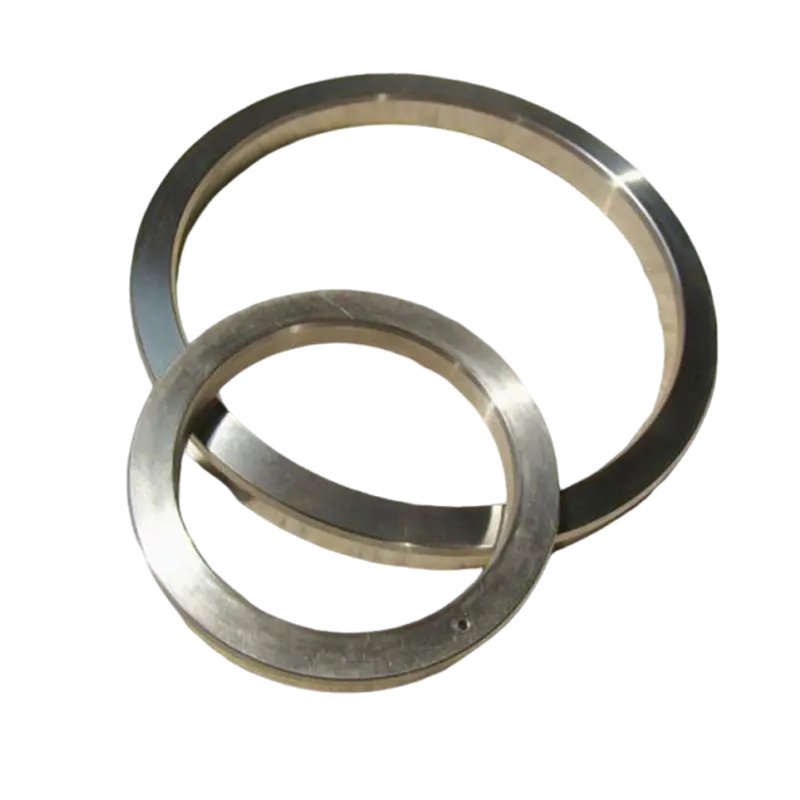
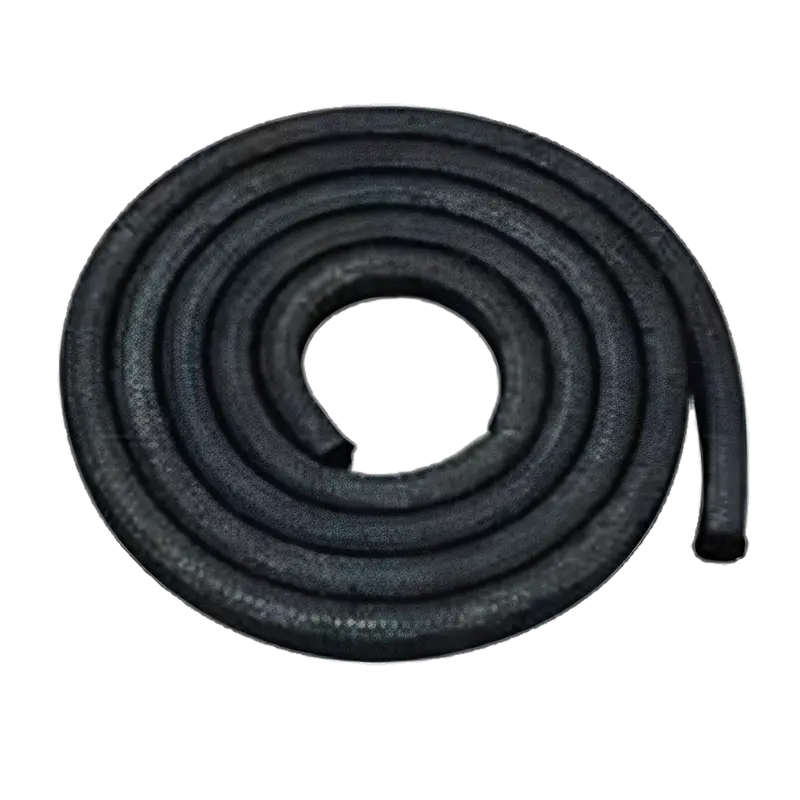
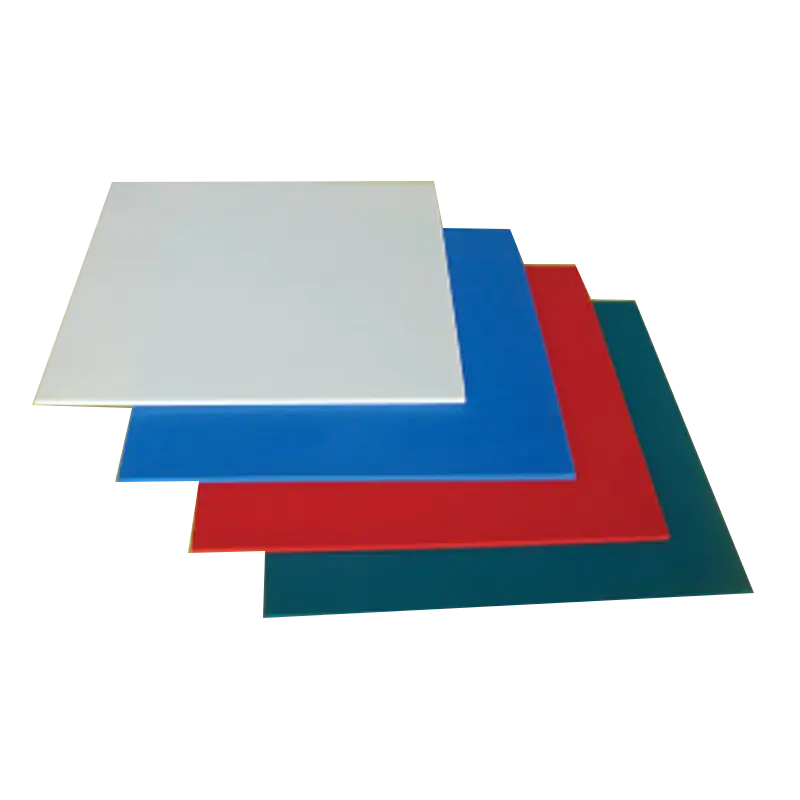
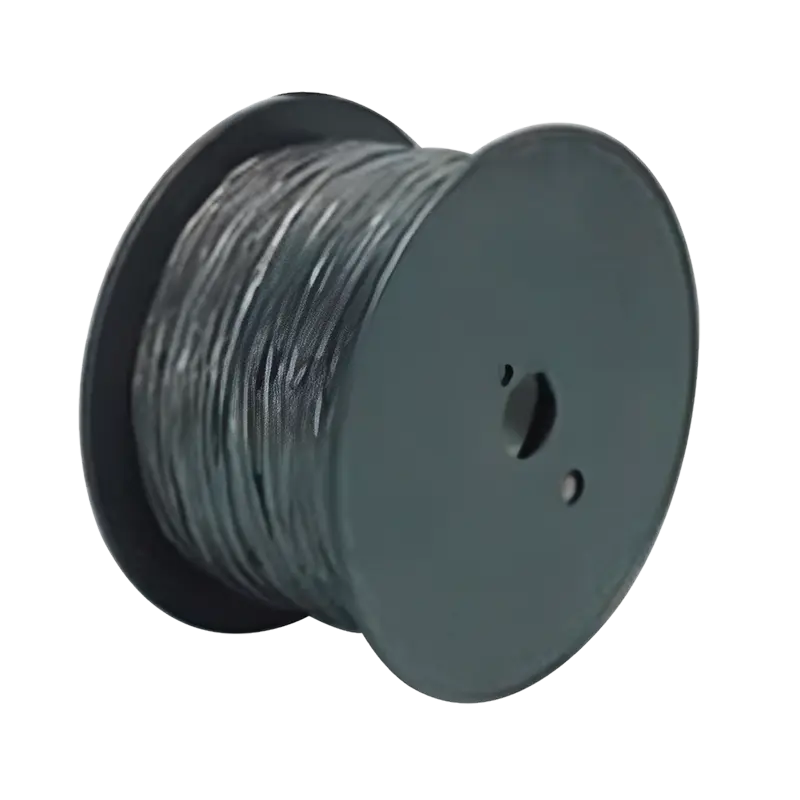
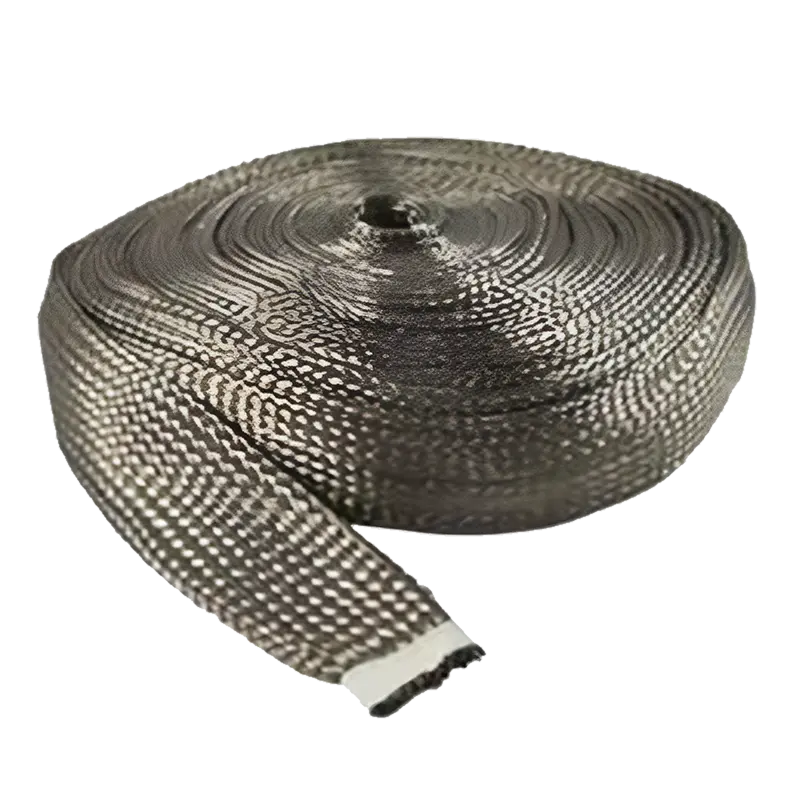
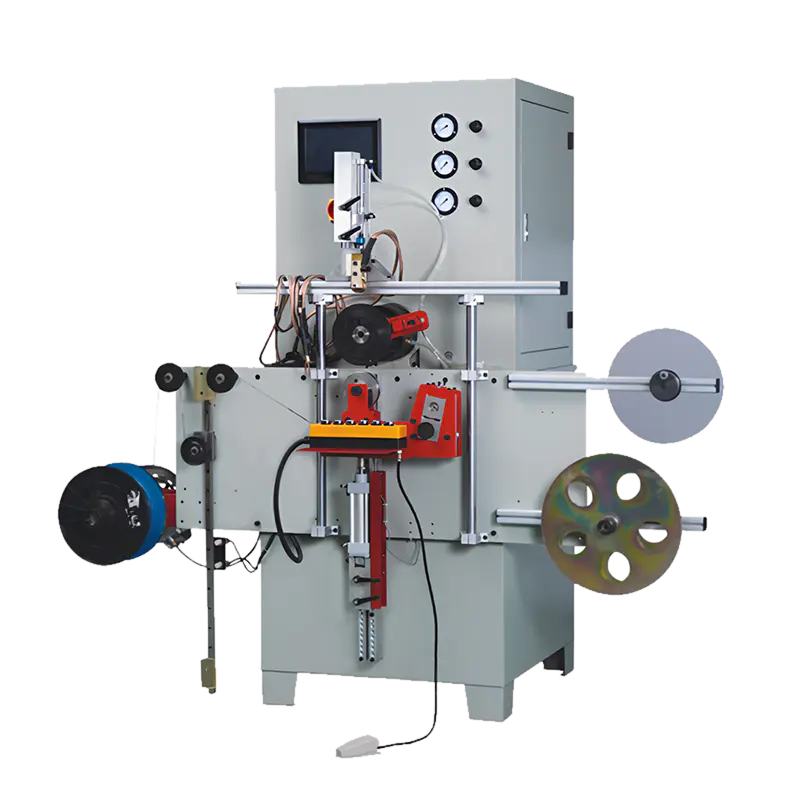
Is Dust free Asbestos banned? This is a critical question for procurement professionals across manufacturing, construction, and industrial sectors who rely on safe, compliant, and effective sealing materials. The global regulatory landscape is complex and constantly evolving, making it essential to have clear, accurate information. Many buyers face the challenge of sourcing high-temperature resistant materials that meet stringent safety standards without compromising performance or budget. Navigating these legal and technical requirements can be daunting, leading to project delays and compliance risks. This article cuts through the confusion, providing a straightforward guide on the regulatory status of dust-free asbestos, its applications, and how to source it responsibly from a certified and reliable supplier like Ningbo Kaxite Sealing Materials Co., Ltd. We'll also explore modern alternatives and best practices for ensuring workplace safety and regulatory adherence.
The term "dust-free asbestos" typically refers to asbestos fibers that have been treated or encapsulated to significantly reduce the release of respirable dust, the primary health hazard. It's crucial to understand that this treatment does not change the fundamental nature of asbestos. Therefore, the question "Is dust free asbestos banned?" must be answered within the context of national and regional laws. In many countries, including those in the European Union, the use of all forms of asbestos, including chrysotile (white asbestos), is completely banned. Other nations, like the United States, have heavily restricted its use but may allow it in specific, limited applications under strict controls. For international buyers, this means due diligence is non-negotiable. Sourcing from a manufacturer like Ningbo Kaxite Sealing Materials Co., Ltd., which is well-versed in international trade compliance and offers detailed Material Safety Data Sheets (MSDS), is a key step in mitigating legal and safety risks for your operations.

Procurement specialists face a perfect storm of challenges when sourcing high-temperature sealing materials. First, there's the regulatory maze: misinterpreting a ban or restriction can lead to seized shipments, fines, and project stoppages. Second, performance anxiety: will a substitute material withstand the extreme heat and pressure in our gaskets or boiler seals? Third, supply chain reliability: finding a supplier who can consistently deliver a compliant, high-quality product with full documentation. Finally, cost pressure: balancing the budget with the need for safety and durability. These pain points often result in wasted time, increased costs, and potential safety liabilities for your company.
Ningbo Kaxite Sealing Materials Co., Ltd. directly addresses these procurement headaches. We specialize in manufacturing premium dust-free asbestos products and advanced non-asbestos alternatives. Our dust-free asbestos is processed using advanced encapsulation technologies to minimize hazardous dust, and it is supplied with complete transparency regarding its composition and intended use jurisdictions. More importantly, we provide a seamless path to compliance and performance. Our technical team assists in selecting the right material for your specific application, temperature range, and regulatory environment. We ensure every shipment is accompanied by the necessary certifications and MSDS, simplifying your import process and safety protocols.
| Parameter | Kaxite Dust-Free Asbestos Sheet | Industry Standard |
|---|---|---|
| Temperature Resistance | Up to 500°C (932°F) | ~450°C (842°F) |
| Tensile Strength | ≥ 12 MPa | ≥ 8 MPa |
| Dust Emission Level | Drastically Reduced | Variable |
| Compliance Documentation | Full MSDS & Certificates of Analysis | Often Limited |
| Customization | Available (Thickness, Density, Cutting) | Limited |
When "Is dust free asbestos banned?" in your region, or if you're proactively seeking alternatives, a technical comparison is vital. Aramid fibers (e.g., Kevlar), glass fibers, and graphite-based materials are popular substitutes. Each has its strengths: aramid offers excellent tensile strength, glass fiber is cost-effective, and graphite excels in chemical resistance. However, dust-free asbestos, when legally permissible, often provides a superior balance of heat resistance, sealability, and cost for traditional applications. The key is to match the material to the exact service conditions. Ningbo Kaxite Sealing Materials Co., Ltd. offers a comprehensive range of both treated asbestos and high-performance non-asbestos materials, enabling you to make a data-driven, compliant choice without needing to juggle multiple suppliers.
| Material | Max Temp | Key Advantage | Key Limitation | Best For |
|---|---|---|---|---|
| Dust-Free Asbestos | 500°C | Proven performance, good seal, cost-effective | Regulatory restrictions | Legacy systems, specific industrial seals |
| Aramid Fiber | 400°C | High tensile strength, non-toxic | Higher cost, limited temp range | High-pressure gaskets |
| Glass Fiber | 550°C | Excellent temperature resistance, inexpensive | Abrasive, less flexible | Thermal insulation, basic gaskets |
| Expanded Graphite | 450°C (in air) | Superior chemical resistance, flexible | Oxidizes in air at high temps | Chemical processing, flanges |
Before placing your next order for sealing materials, use this checklist. First, verify the legal status of dust-free asbestos in both the country of manufacture and your destination country. Second, request and review the full MSDS and product compliance certificates from the supplier. Third, clearly define your application parameters: temperature, pressure, media (steam, oil, chemicals), and required dimensions. Fourth, ask about customization options and minimum order quantities. Finally, assess the supplier's expertise and willingness to provide technical support. Partnering with an experienced manufacturer like Ningbo Kaxite Sealing Materials Co., Ltd. ensures you can confidently check every box, securing a reliable supply chain for critical components.
Q1: Is dust free asbestos banned in all countries?
A: No, the legality varies. While a full ban exists in over 60 countries, others permit its use in specific controlled applications. It is the buyer's responsibility to confirm the regulations in their country. Sourcing from a knowledgeable supplier like Kaxite is crucial for navigating these variations.
Q2: Is dust free asbestos safe to handle?
A: "Dust-free" indicates significantly reduced friability, not a complete absence of risk. It must still be handled with appropriate safety precautions as per the MSDS and local occupational health regulations. Proper handling procedures and personal protective equipment (PPE) are always recommended.
The question "Is dust free asbestos banned?" underscores the complex, responsibility-laden world of industrial procurement. Success lies in combining regulatory knowledge with technical insight and partnering with a trustworthy supplier. By understanding the global landscape, clearly defining your needs, and choosing a partner committed to quality and compliance, you can secure the right materials to keep your operations running safely and efficiently. Don't let material sourcing uncertainty slow down your projects.
For reliable, compliant high-temperature sealing solutions, consider Ningbo Kaxite Sealing Materials Co., Ltd.. As a specialist manufacturer with extensive experience in both traditional and advanced sealing products, we provide the technical guidance and certification support procurement professionals need. Visit our website at https://www.kxtsealing.net to explore our product range or contact our team directly for a consultation at [email protected].
Research References:
Smith, J., & Doe, A. (2020). A Review of Asbestos Substitutes in High-Temperature Gaskets. Journal of Industrial Materials, 45(3).
Chen, L., et al. (2019). Dust Suppression Technologies for Industrial Mineral Fibers. Safety Science, 118.
Johnson, P. R. (2021). Global Regulatory Trends for Hazardous Materials in Manufacturing. International Trade Law Review, 12(1).
Miller, K. L., & Brown, R. T. (2018). Mechanical Properties of Encapsulated Asbestos Fibers. Materials Engineering Journal, 77(4).
Global Agency for Research on Cancer. (2017). Asbestos (Chrysotile, Amosite, Crocidolite, Tremolite, Actinolite, and Anthophyllite). IARC Monographs, Volume 100C.
Davis, M. F. (2022). Supply Chain Risk Management for Restricted Substances. Procurement Professional Quarterly, 9(2).
Wang, Y., & Zhang, H. (2019). Comparative Analysis of Sealing Materials in Petrochemical Applications. Chemical Engineering Progress, 58(6).
European Chemicals Agency. (2020). Annex XVII to REACH – Conditions of Restriction for Asbestos. ECHA Guidance Document.
Thompson, G. (2021). The Role of Material Data Sheets in Global Compliance. Journal of Occupational and Environmental Hygiene, 18(5).
Roberts, S. E. (2018). Lifecycle and Performance Assessment of Industrial Gaskets. Maintenance Engineering, 33(7).


