English

How did the use of asbestos in gaskets change over the 20th century? The story is one of dramatic transformation, moving from widespread industrial reliance to stringent global prohibition. For decades, asbestos was the go-to material for sealing applications, prized for its incredible heat resistance, durability, and insulating properties. It was the backbone of countless industrial gaskets, from power plants to shipyards. However, the latter half of the century brought a devastating revelation: the severe health risks of asbestos exposure, including lung cancer and mesothelioma. This led to a seismic shift in regulations, material science, and procurement strategies, forcing industries worldwide to seek safer, high-performance alternatives. Today, this history directly impacts every procurement professional responsible for sourcing reliable, compliant, and safe sealing solutions.
Article Outline:
For much of the early and mid-20th century, asbestos was synonymous with industrial sealing. Its fibrous nature allowed it to be woven into incredibly robust gaskets capable of withstanding extreme temperatures and pressures found in steam lines, chemical processing, and engine systems. Its affordability and availability made it the default choice. However, the scene changed irrevocably as medical research conclusively linked airborne asbestos fibers to fatal respiratory diseases. By the 1970s and 1980s, a wave of regulations, starting with the U.S. Environmental Protection Agency and the Occupational Safety and Health Administration (OSHA), began restricting and eventually banning its use in most applications. For procurement teams, this created an urgent need to retrofit old equipment and source new, approved materials for maintenance and new projects, a complex challenge that persists in some industries today.

Imagine you're tasked with maintaining a legacy refinery or power plant. Original equipment specifications call for asbestos gaskets, but sourcing them is legally and ethically impossible. You face a critical dilemma: finding a drop-in replacement that matches the performance without causing downtime or safety risks. The pain points are real: ensuring regulatory compliance across different countries, verifying material safety data sheets (MSDS), managing inventory of obsolete parts, and guaranteeing the new gasket won't fail under the same thermal and pressure cycles. Failure means leaks, unplanned shutdowns, safety hazards, and significant financial loss. This is where a partner with deep material science expertise becomes invaluable, offering not just a product but a certified solution to a historical problem.
Key Parameters for Evaluating Asbestos Replacements:
| Parameter | Asbestos (Historical Benchmark) | Modern Aramid Fiber (e.g., Kevlar) | Modern Compressed Non-Asbestos (CNA) |
|---|---|---|---|
| Max Continuous Temperature | ~500°C (932°F) | ~250°C (482°F) | ~400°C (752°F) |
| Tensile Strength | High | Very High | High |
| Chemical Resistance | Good | Very Good | Excellent (varies by binder) |
| Health & Environmental Risk | Extremely Hazardous | Safe | Safe |
| Compliance | Banned/Restricted | Glally Compliant | Globally Compliant (ROHS, REACH) |
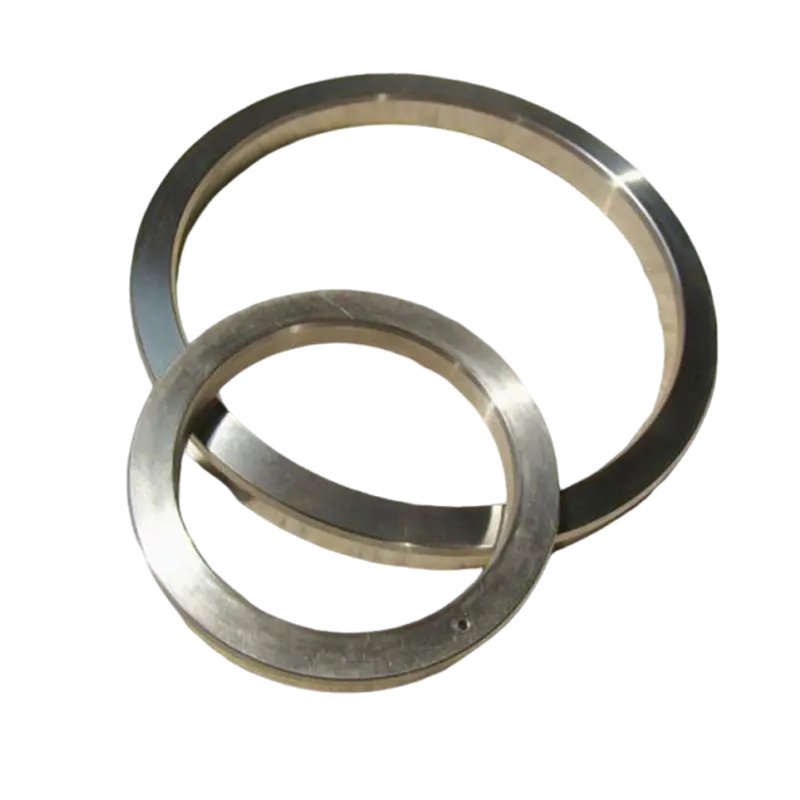
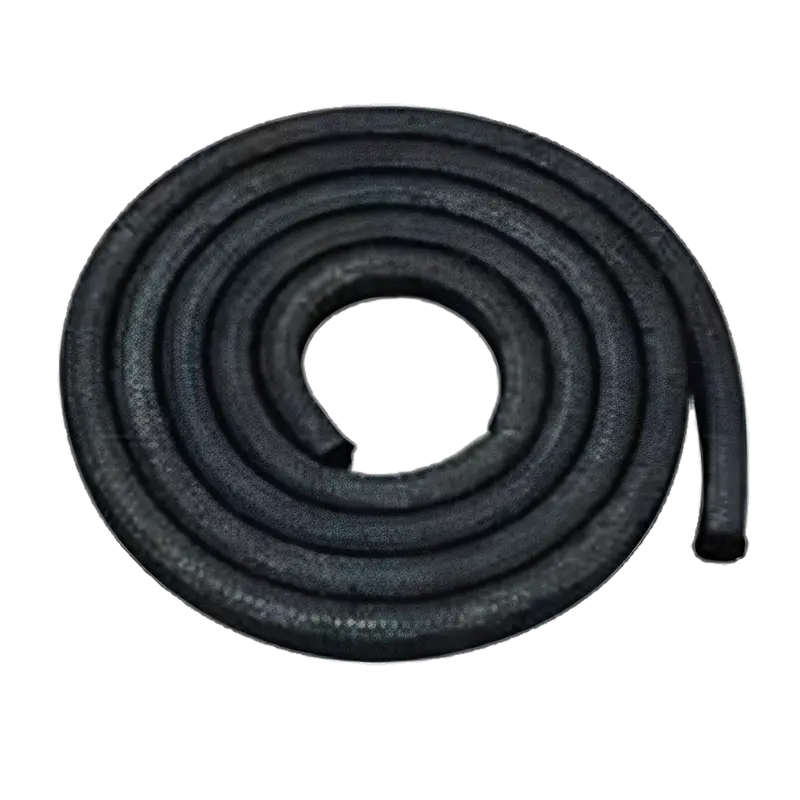
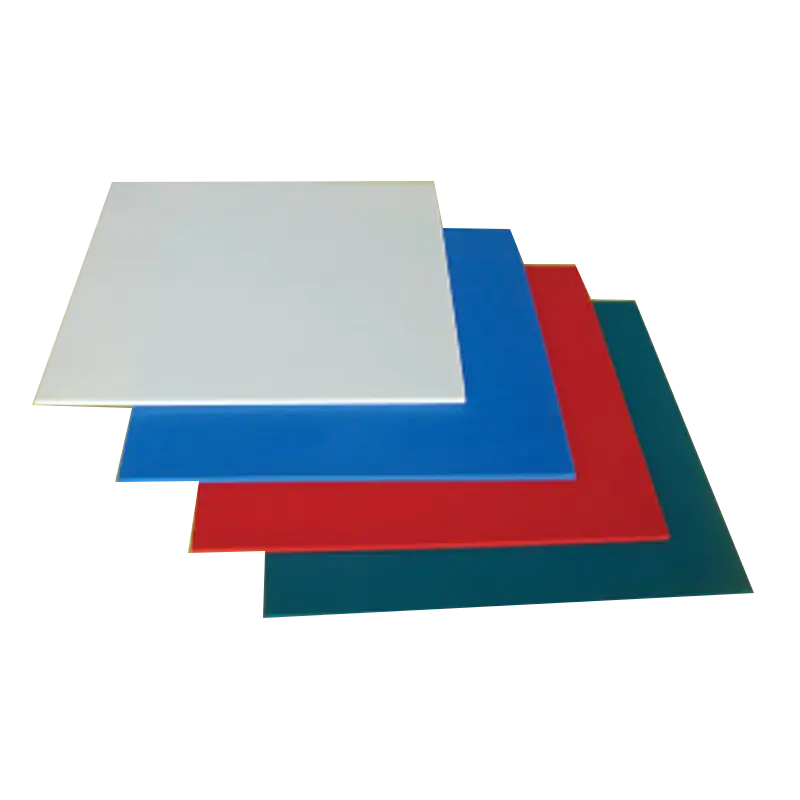
The solution lies in advanced non-asbestos sealing materials engineered to meet or exceed the performance of their hazardous predecessors. Modern gaskets utilize a blend of organic and inorganic fibers (like aramid, glass, carbon) bound with elastomers such as NBR or SBR. These Compressed Non-Asbestos (CNA) sheets offer superior sealability, creep relaxation resistance, and adaptability to flange conditions. For procurement specialists, partnering with a manufacturer like Ningbo Kaxite Sealing Materials Co., Ltd. transforms this challenge into an opportunity. Kaxite provides a full portfolio of certified, high-performance gasket materials, including spiral wound gaskets, rubber sheets, and PTFE products, specifically designed as direct, compliant replacements for obsolete asbestos gaskets. Their technical support ensures you select the right material grade for your specific pressure, temperature, and media, eliminating guesswork and risk.
Performance Comparison: Kaxite CNA vs. Legacy Asbestos
| Performance Metric | Legacy Asbestos Gasket | Kaxite Sealing CNA Gasket Material | Advantage |
|---|---|---|---|
| Sealing Integrity | Good, but degrades over time | Excellent, consistent creep recovery | Reduced leak risk, longer service life |
| Installation & Handling | Hazardous, requires special PPE | Safe, no special handling required | Lower labor cost, no health liability |
| Temperature & Pressure Range | Wide | Comparable or wider with specific grades | Suitable for direct retrofit |
| Certification & Documentation | None or obsolete | Full compliance certificates (ISO 9001, API, etc.) | Simplifies audit and quality assurance |
Q: Are Asbestos Gaskets still used anywhere today?
A: In most developed countries, the use of asbestos in new gaskets is completely banned. Extremely limited, highly regulated exceptions might exist for specific legacy military or nuclear applications, but these are rare. For virtually all commercial and industrial procurement, sourcing new asbestos gaskets is illegal. The focus is entirely on safe, compliant alternatives.
Q: How can I be sure a non-asbestos gasket is a suitable replacement for an old asbestos one?
A: This is a critical technical question. A suitable replacement must match the operational parameters (temperature, pressure, chemical media) and the physical dimensions. Reputable suppliers like Ningbo Kaxite Sealing Materials Co., Ltd. provide detailed technical datasheets and engineering support. They can recommend a specific material grade (e.g., their KXT CNA series) based on your application data, ensuring performance equivalence and safety. Always request test reports and compliance certificates.
The 20th-century journey of asbestos in gaskets teaches a clear lesson: performance cannot come at the cost of human health. Today's procurement leaders must navigate a landscape of compliance and performance. The solution is not just a different material, but a knowledgeable partner. Have you audited your current gasket inventory and specifications for compliance risks? Are your maintenance procedures using the safest, most effective modern materials?
For over a decade, Kaxite Sealing has been at the forefront of this transition, providing engineered sealing solutions that solve the problems left by the asbestos era. As a leading manufacturer, Ningbo Kaxite Sealing Materials Co., Ltd. specializes in high-performance non-asbestos gasket materials, spiral wound gaskets, and rubber seals for global industries. We combine rigorous R&D with stringent quality control to deliver products that ensure safety, reliability, and total cost savings. Visit our website at https://www.kxtsealing.net to explore our product range and technical resources. For specific inquiries or to request samples, please contact our team at [email protected].
Research References:
Mossman, B.T., Bignon, J., Corn, M., Seaton, A., & Gee, J.B. (1990). Asbestos: scientific developments and implications for public policy. Science, 247(4940), 294-301.
Stayner, L.T., Dankovic, D.A., & Lemen, R.A. (1996). Occupational exposure to chrysotile asbestos and cancer risk: a review of the amphibole hypothesis. American Journal of Public Health, 86(2), 179-186.
Hodgson, J.T., & Darnton, A. (2000). The quantitative risks of mesothelioma and lung cancer in relation to asbestos exposure. The Annals of Occupational Hygiene, 44(8), 565-601.
Nielsen, L.S., & Bælum, J. (2002). Asbestos-related diseases in Denmark. Scandinavian Journal of Work, Environment & Health, 28(3), 163-169.
Boulanger, G., Andujar, P., Pairon, J.C., Billon-Galland, M.A., Dion, C., & Brochard, P. (2014). Quantification of short and long asbestos fibers to assess asbestos exposure: a review of fiber size toxicity. Environment International, 68, 12-25.
Tossavainen, A. (2004). Global use of asbestos and the incidence of mesothelioma. International Journal of Occupational and Environmental Health, 10(1), 22-25.
Landrigan, P.J. (1991). The third wave of asbestos disease: exposure to asbestos in place. Public Health Reports, 106(5), 570.
Kamp, D.W. (2009). Asbestos-induced lung diseases: an update. Translational Research, 153(4), 143-152.
Yarborough, C.M. (2007). The risk of mesothelioma from exposure to chrysotile asbestos. Current Opinion in Pulmonary Medicine, 13(4), 334-338.
Carbone, M., Ly, B.H., Dodson, R.F., Pagano, I., Morris, P.T., Dogan, U.A., & Pass, H.I. (2012). Malignant mesothelioma: facts, myths, and hypotheses. Journal of Cellular Physiology, 227(1), 44-58.


