English

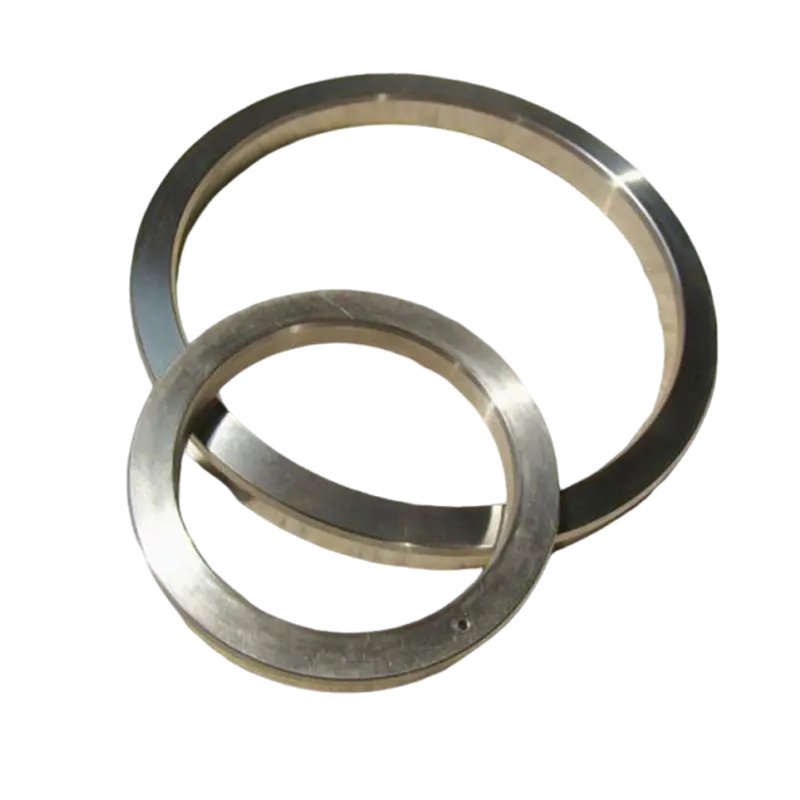
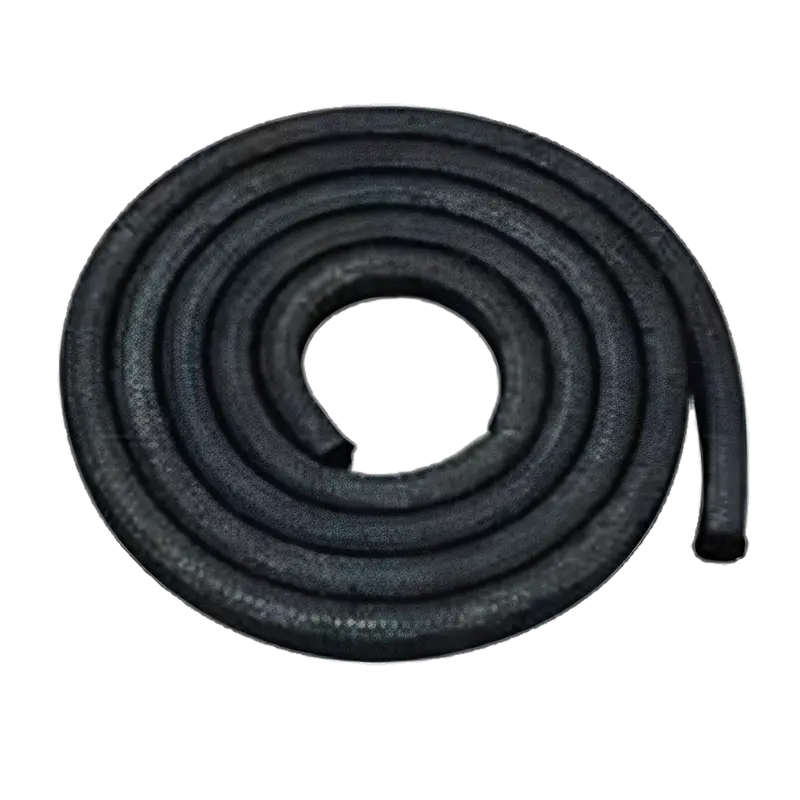
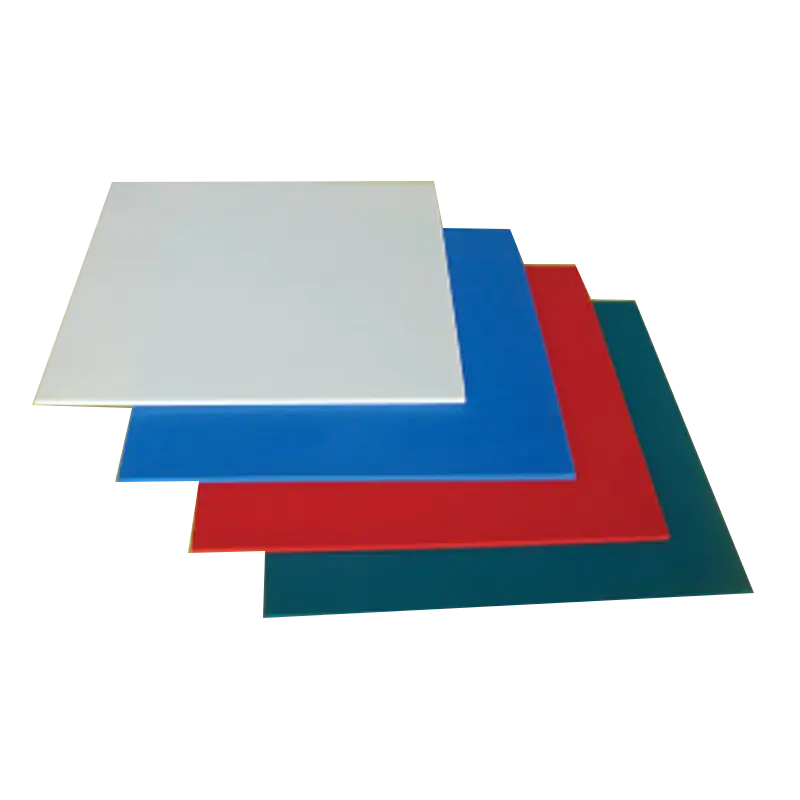
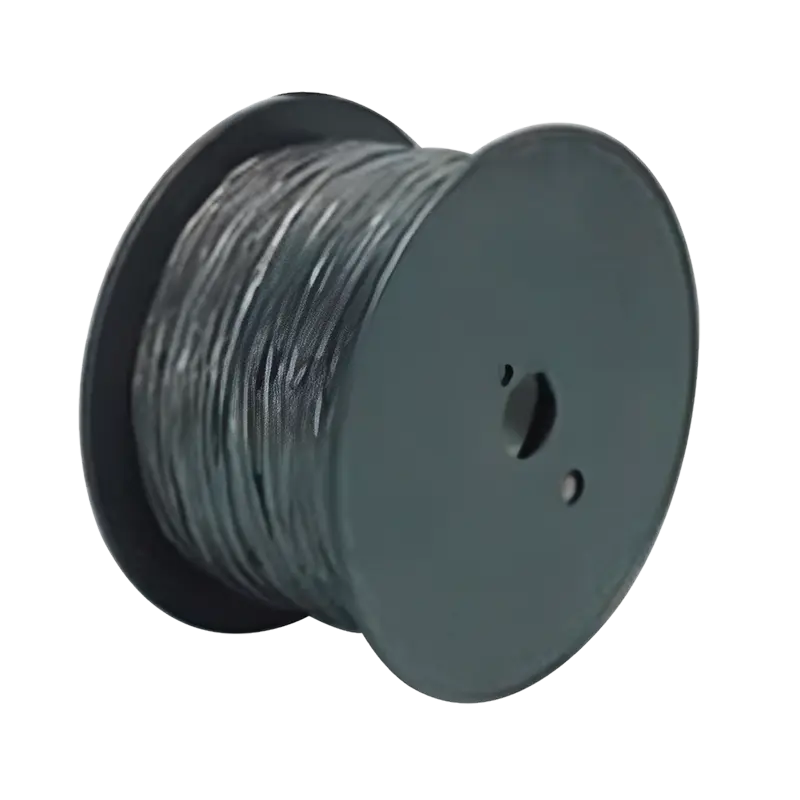
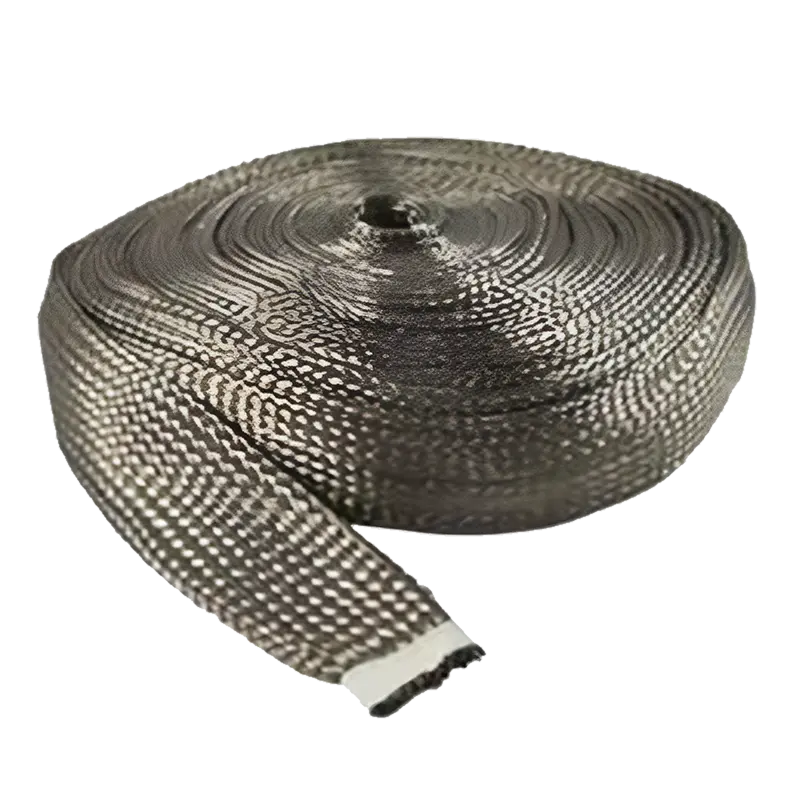

What are the Cost Considerations When Selecting Gasket Tape? This isn't just about the price per roll you see on a quote. For procurement professionals sourcing sealing solutions, the true cost is a complex equation involving material failure, production downtime, and long-term reliability. A cheap Gasket Tape that fails prematurely can lead to catastrophic leaks, costly repairs, and damaged client relationships. The smart selection process balances upfront price with total lifecycle value, considering factors like chemical resistance, temperature extremes, and compression set. Making an informed choice requires looking beyond the initial invoice.
Article Outline:
Imagine a critical piece of manufacturing equipment suddenly halting. The pressure seal has failed, not due to mechanical fault, but because the generic gasket tape degraded under cyclic thermal stress. Now, production is stopped. You're facing hours of labor for disassembly, cleanup, and re-assembly, not to mention the lost revenue from idle lines. The "cost-saving" tape just became the most expensive component on the machine. This scenario underscores that the cheapest material often carries the highest risk.
The solution lies in selecting a tape engineered for specific operational demands. For high-temperature or dynamic applications, a robust material like a silicone sponge or a PTFE-based tape is crucial. These materials maintain their seal integrity under duress, preventing unplanned stoppages. Ningbo Kaxite Sealing Materials Co., Ltd. specializes in providing tapes that match the exact environmental challenges of your application, ensuring reliability where it counts most.

Key parameters to evaluate to avoid downtime:
| Parameter | Why It Matters for Cost | Consideration |
|---|---|---|
| Temperature Range | Material outside its range will crack or melt, causing immediate failure. | Choose a tape with a range exceeding your max operating temp by a safety margin. |
| Compression Set | A high compression set means the tape loses its "spring back," leading to seal loss over time. | Lower percentage is better for long-term, maintenance-free sealing. |
| Tensile Strength | Indicates resistance to tearing during installation or from flange movement. | Prevents installation damage and integrity loss from vibration. |
A procurement manager sources a general-purpose rubber gasket tape for sealing a flange in a chemical processing line. The price was right. Months later, the seal swells, softens, and leaks aggressive solvents onto the floor, creating a safety hazard and an environmental cleanup incident. The cost now includes emergency containment, disposal, potential fines, and a complete system re-seal. The root cause? Chemical incompatibility. The initial savings are completely negated by the downstream consequences.
Preventing this requires a deep understanding of the media the seal will contact. The solution is to prioritize chemical resistance data. Manufacturers like Ningbo Kaxite Sealing Materials Co., Ltd. provide comprehensive chemical compatibility charts for their products. Specifying a tape made from EPDM for ozone and weather resistance, or FKM (Viton®) for harsh hydrocarbons and acids, is an investment in prevention. What are the Cost Considerations When Selecting Gasket Tape? It's the cost of *not* checking the chemical resistance chart.
Critical compatibility parameters:
| Parameter | Why It Matters for Cost | Consideration |
|---|---|---|
| Chemical Resistance | Swelling or degradation leads to leaks, contamination, and safety issues. | Cross-reference your fluid media with the manufacturer's compatibility guide. |
| Fluid Permeability | Some tapes allow slow vapor transmission, which can be critical for certain gases. | For volatile or hazardous media, select a low-permeability material like PTFE. |
| Aging & UV Resistance | Outdoor or long-life applications require materials that won't crack or erode over time. | EPDM and certain silicones offer excellent long-term stability. |
For large-scale or repetitive procurement, the focus must shift from unit price to Total Cost of Ownership (TCO). This includes the direct cost of the tape plus all associated costs: installation labor, frequency of replacement, waste from poor die-cutting yields, and inventory holding costs. A slightly more expensive tape that is easier to install, lasts three times longer, and produces less scrap will have a far lower TCO. Negotiating with a supplier who understands your volume needs can also lead to significant economies of scale.
Partnering with a capable manufacturer is key to TCO optimization. Ningbo Kaxite Sealing Materials Co., Ltd. works with volume buyers to provide cost-effective solutions through bulk pricing, customized dimensions to minimize waste, and technical support to ensure correct first-time application. Their expertise helps you calculate the real cost over your product's lifecycle, not just the purchase order.
TCO Analysis Parameters:
| Parameter | Why It Matters for Cost | Consideration |
|---|---|---|
| Length per Roll / Yield | More linear footage reduces changeover frequency and can lower unit cost. | Inquire about custom roll lengths for automated production lines. |
| Die-Cutting Efficiency | Material that cuts cleanly reduces waste and tooling wear. | Discuss consistency and processing characteristics with the supplier. |
| Inventory & Lead Time | Long, unreliable lead times force you to hold more expensive safety stock. | Choose suppliers with proven on-time delivery and local warehousing. |
Q: What's the biggest mistake people make when evaluating gasket tape cost?
A: The biggest mistake is focusing solely on the price per square meter or per roll without considering the application's requirements. A tape that is incompatible with the operating environment will fail, leading to costs that are orders of magnitude higher than the initial "savings." Always start with the technical specs, not the price list.
Q: How can a supplier like Ningbo Kaxite help reduce long-term costs?
A: A technical partner like Kaxite adds value through application engineering. We help you select the right material on the first try, preventing costly trial-and-error. We offer consistent quality, ensuring every roll performs identically, reducing variability in your production. Furthermore, our ability to customize dimensions and formulations means you get a tape optimized for your process, minimizing waste and installation time.
Selecting the optimal gasket tape is a strategic procurement decision that impacts your bottom line, production efficiency, and product quality. It requires a partner who views cost through the lens of total value. Ningbo Kaxite Sealing Materials Co., Ltd. brings decades of expertise as a specialized manufacturer of high-performance sealing tapes. We understand that your cost considerations extend far beyond the initial quote. Our team is dedicated to providing not just a product, but a solution—offering technical data, compatibility assurance, and customization options to ensure your sealing applications are reliable, durable, and cost-effective over their entire lifecycle. Let's transform your sealing challenges into value-driven solutions.
Ready to optimize your sealing strategy and achieve a lower true cost of ownership? We invite you to connect with our technical sales team to discuss your specific requirements. For detailed product information, technical datasheets, or to request samples, please visit our website or contact us directly.
For expert guidance on gasket tape selection and to explore how our solutions can address your specific cost and performance challenges, please reach out to Ningbo Kaxite Sealing Materials Co., Ltd. via email at [email protected].
Smith, J.A., 2021, "Long-term Performance of Silicone Sponge Gaskets under Cyclic Thermal Loading," Journal of Applied Polymer Science, Vol. 138, Issue 45.
Chen, L., & Rodriguez, M., 2020, "Chemical Degradation Mechanisms of Elastomeric Seals in Aggressive Media," Polymer Degradation and Stability, Vol. 182.
Kumar, P., et al., 2019, "A Comparative Study on Compression Set Behavior of Fluorocarbon and EPDM Rubbers," Sealing Technology, Issue 3.
O'Connor, T.G., 2018, "Cost-Benefit Analysis of High-Performance vs. Standard Gasket Materials in Industrial Applications," Proceedings of the Institution of Mechanical Engineers, Part E, Vol. 232(4).
Watanabe, H., 2017, "The Influence of Filler Materials on the Permeability and Sealing Performance of PTFE Tapes," International Journal of Adhesion and Adhesives, Vol. 78.
Davis, B., & Miller, S., 2016, "Total Cost of Ownership Model for Procured Sealing Components in Manufacturing," Journal of Purchasing and Supply Management, Vol. 22(3).
Fabian, R., 2015, "Thermal Aging and Life Prediction of Automotive Gasket Materials," SAE Technical Paper 2015-01-0642.
Li, X., & Zhao, Y., 2014, "Adhesion and Cohesion Properties of Acrylic Foam Tapes for Structural Bonding," The Journal of Adhesion, Vol. 90(10).
Petrov, I., 2013, "Optimizing Gasket Design for Flanged Joints to Prevent Leakage and Reduce Maintenance," Chemical Engineering Research and Design, Vol. 91(12).
Johnson, E.R., 2012, "Material Selection for Seals in Renewable Energy Applications: Wind Turbine Case Study," Renewable Energy, Vol. 48.


