English

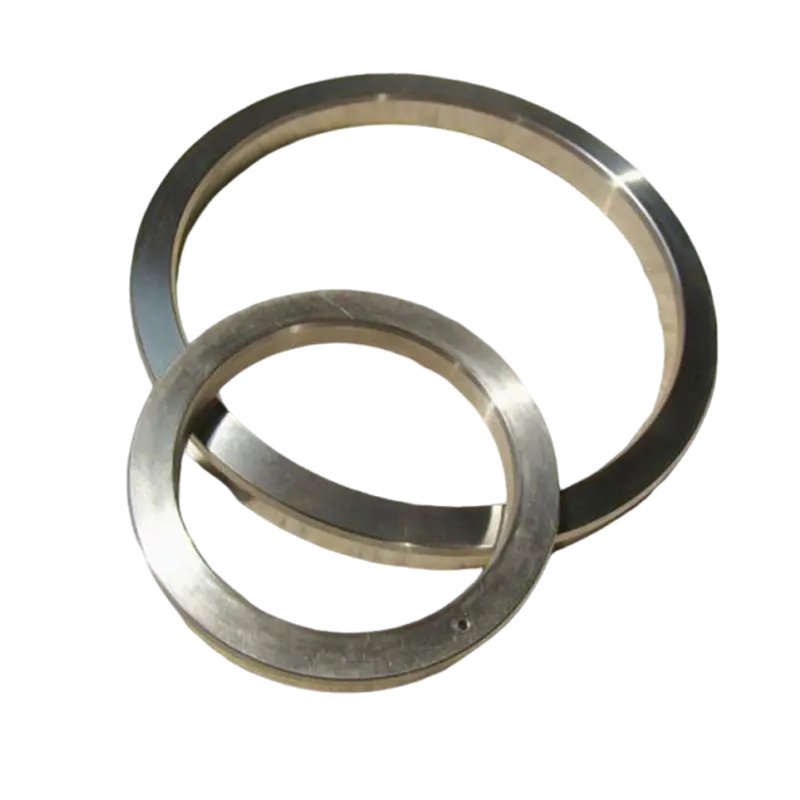
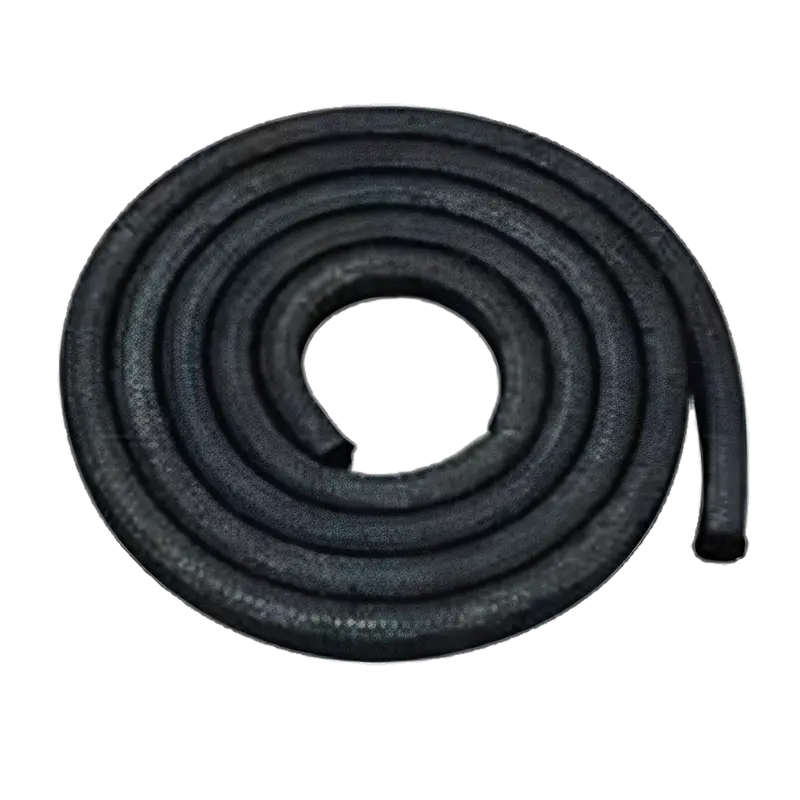
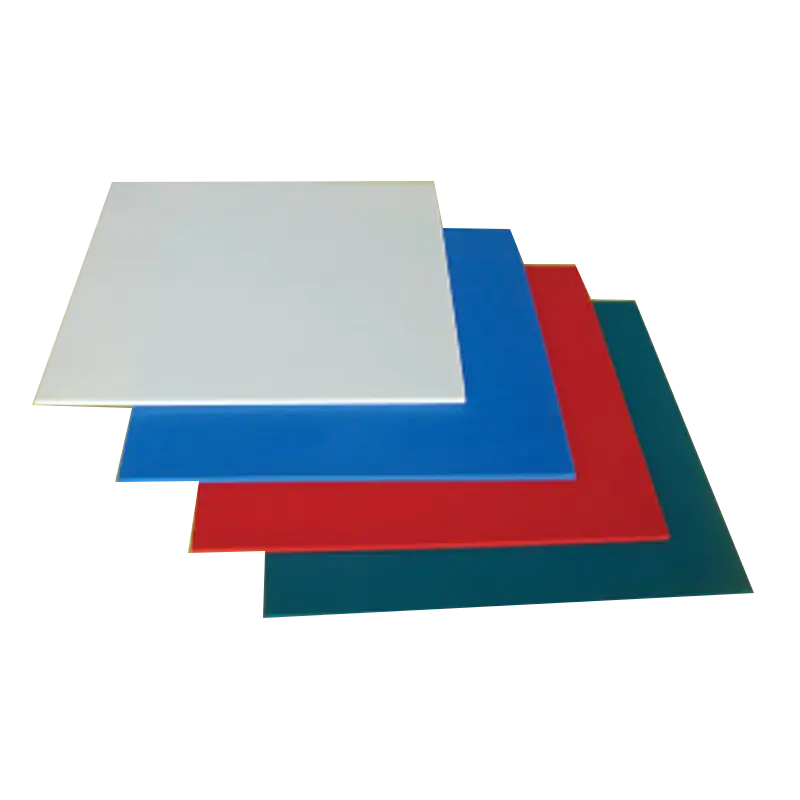
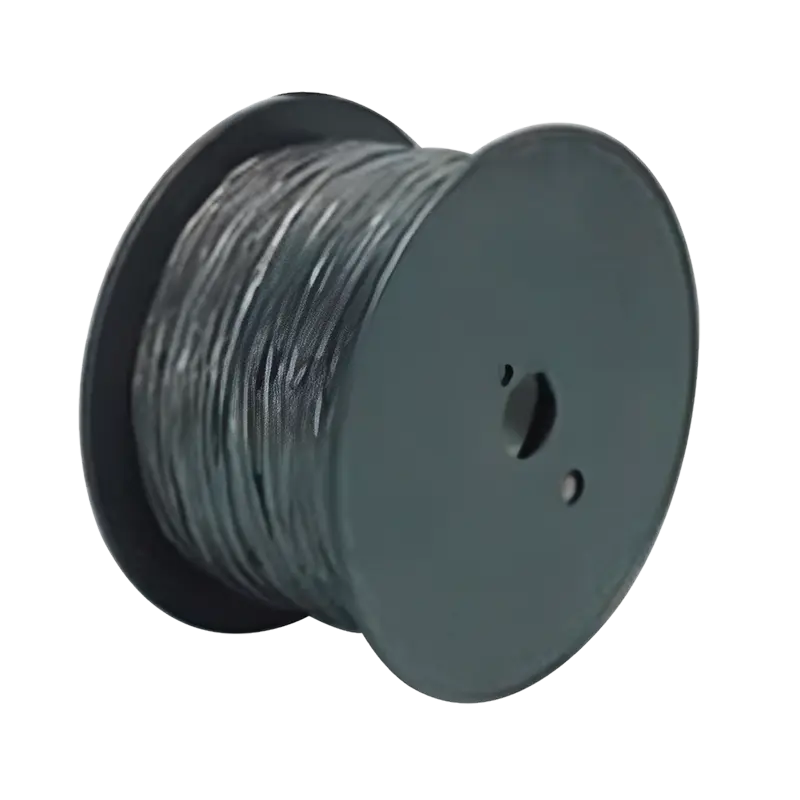
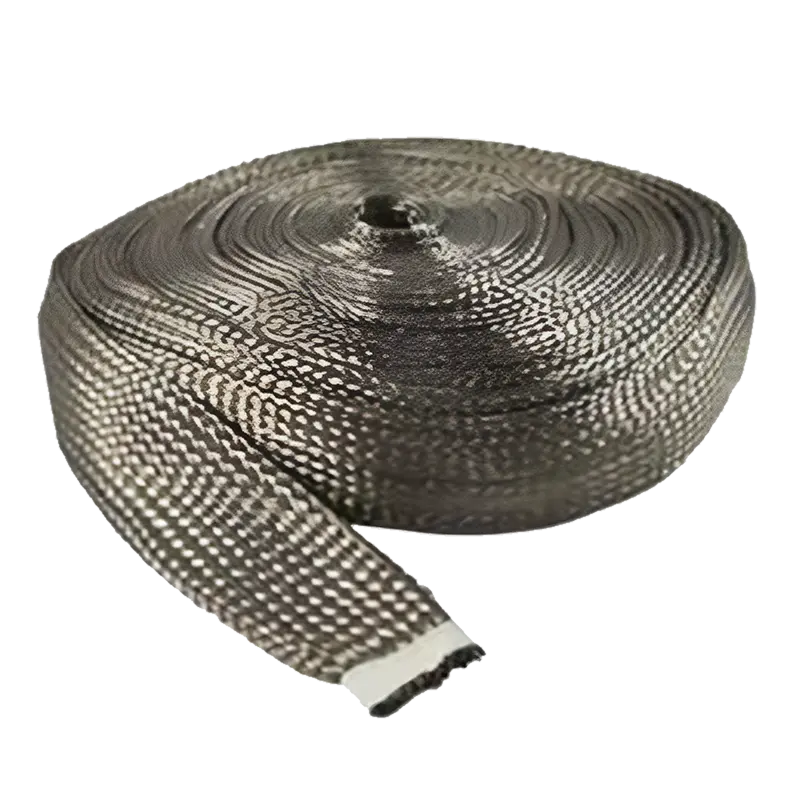
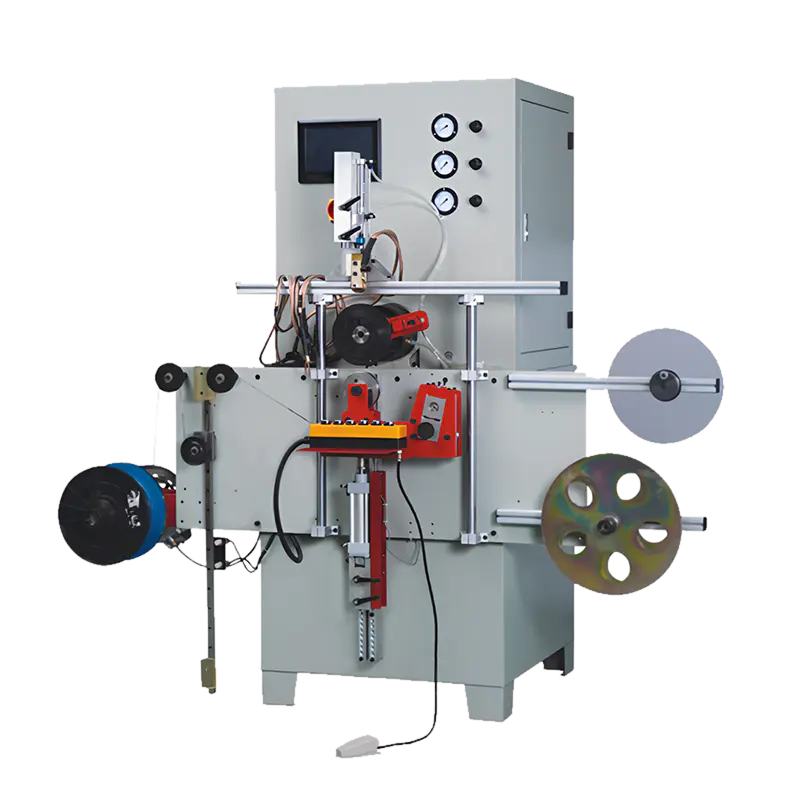
What are Non-rounded Spiral wound Gaskets and how do they differ from standard rounded types? In the world of industrial sealing, spiral wound gaskets are widely trusted for flanged connections, but most standard designs assume a circular bore. Non-rounded (obround, rectangular, or custom-shaped) spiral wound gaskets break that mold, literally, to fit flanges with oval, square, or irregular openings. Unlike standard round gaskets that only suit circular flange faces, non-rounded versions are precision-wound to match the exact non-circular geometry of heat exchangers, valve bonnets, and specialty pressure vessels. The core difference lies in the manufacturing process: while round gaskets are wound on a regular mandrel, non-rounded types require specialized forming, often involving CNC-guided winding and custom inner rings that maintain the shape under compressive load. This shape-specific design prevents blowouts, eliminates leakage paths at corners, and ensures uniform stress distribution around the complete sealing perimeter. For procurement engineers, choosing the wrong shape means risking downtime, product loss, and safety hazards. Ningbo Kaxite Sealing Materials Co., Ltd. understands these challenges and delivers tailor-made non-rounded spiral wound gaskets that precisely match your flange drawings, securing your critical systems without compromise.
Non-rounded spiral wound gaskets are engineered for flange configurations that deviate from a circular opening. They consist of alternating layers of V-shaped metal strip and soft filler material, wound under tension to form a resilient sealing element. The difference from standard rounded types starts with the winding mandrel: while round gaskets use a simple cylindrical mandrel, non-rounded shapes demand special formers and precisely calculated spiral paths to maintain consistent density at corners and straight sections. 
This construction allows them to accommodate obround, square, diamond, and even complex multi-radius profiles without sacrificing sealing integrity. Because the gasket mimics the exact flange face, the compression is uniform, reducing the risk of localized crushing or insufficient seating. For buyers sourcing gaskets for heat exchanger bonnets or manway covers, understanding this fundamental difference is crucial—selecting a round gasket for a non-round application guarantees a leak, while a correctly shaped non-rounded gasket functions as a reliable, long-term seal.
Imagine a heat exchanger with an oval channel head flange. A standard round gasket would extend beyond the flange face at the sides yet fail to cover the elongated ends, leaving unprotected gaps. Under pressure, the unsupported filler might extrude, or the gasket could blow out altogether. Another common pain point is rectangular valve bonnets: using a round gasket forces the gasket to be drastically oversized, leading to uneven bolt loading and distortion of the flange. Procurement teams often face emergency shutdowns because an off-the-shelf round gasket “almost fit” but couldn’t handle the thermal cycling or pressure spikes. Ningbo Kaxite Sealing Materials Co., Ltd. encounters these stories regularly from refineries, chemical plants, and power stations. The solution is not to adapt a round gasket, but to order a gasket made to the exact non-rounded profile. By matching the gasket shape to the flange, you eliminate dead spaces, distribute stress evenly, and dramatically extend the service interval—a direct cost saving.
At Ningbo Kaxite Sealing Materials Co., Ltd., every non-rounded spiral wound gasket begins with your flange drawing or CAD file. Our engineering team translates that geometry into a winding program that controls the inner ring OD, winding density, and corner radii with sub-millimeter accuracy. We use CNC winding machines capable of handling complex shapes up to 2500 mm in length. Our filler materials—flexible graphite, PTFE, mica, or ceramic—are selected based on temperature, pressure, and media compatibility. The metal winding strip is typically 304, 316L, Monel, or Hastelloy, offering a range of corrosion resistance. For critical applications, we add a solid inner ring that precisely follows the non-rounded contour, preventing inward buckling and providing a positive compression stop. This engineered approach resolves the common worry among purchasers: “Will a custom-shaped gasket seal as well as a standard round one?” The answer is yes, often better, because the gasket is designed for the exact flange, not adapted from a generic shape.
Choosing the right materials for a non-rounded spiral wound gasket depends on the operating conditions. The table below summarizes typical combinations used at Ningbo Kaxite for common industry fluids. Each combination is tested to ASME B16.20 and API 601 standards, guaranteeing performance across the temperature and pressure range.
| Metal Strip | Filler | Max Temp (°C) | Pressure Class | Typical Application |
|---|---|---|---|---|
| 304 SS | Flexible Graphite | 450 | Class 150 – 2500 | Steam, hydrocarbons |
| 316L SS | PTFE | 260 | Class 150 – 900 | Aggressive chemicals, acids |
| Monel 400 | Flexible Graphite | 450 | Class 150 – 1500 | Seawater, caustic media |
| Hastelloy C276 | Mica | 800 | Class 150 – 600 | Oxidizing acids, high-temp gas |
| 321 SS | Ceramic | 1000 | Class 150 – 300 | Extreme heat, exhaust systems |
When selecting, consider thermal expansion, chemical attack, and required compression set. Our engineers at Ningbo Kaxite assist buyers in matching the correct materials to your specific flange geometry and process fluid, ensuring the gasket performs as intended, even in complex non-rounded shapes.
Q: What are non-rounded spiral wound gaskets and how do they differ from standard rounded types?
A: Non-rounded spiral wound gaskets are gaskets manufactured to fit non-circular flange faces—such as oval, obround, rectangular, or custom shapes. Unlike standard round gaskets that are wound on a simple cylindrical mandrel, non-rounded gaskets require specialized winding mandrels and precision control to maintain consistent sealing density along curves and straight edges. The main difference is geometric: round gaskets cannot properly compress on a non-round flange, leading to uneven load and leakage, whereas non-rounded gaskets distribute bolt stress uniformly across the entire sealing perimeter, exactly matching the flange contour.
Q: Can Ningbo Kaxite produce non-rounded spiral wound gaskets for high‑pressure heat exchangers?
A: Yes, absolutely. We regularly supply non-rounded gaskets for shell‑and‑tube heat exchangers, including obround and custom shapes, up to Class 2500. Our manufacturing process includes optional solid inner rings that follow the non-rounded profile, preventing inward blowout under thermal or pressure fluctuations. All gaskets are tested to meet applicable ASME standards and can be delivered with full material certificates.
Q: How do I ensure I get a non-rounded gasket that fits my flange perfectly?
A: Provide us with your flange drawing, CAD file, or even a physical sample. Our team reverse‑engineers the exact dimensions, including corner radii and bolt hole positions, to produce a gasket that mates precisely. This eliminates guesswork; we solve the “What are non-rounded spiral wound gaskets and how do they differ from standard rounded types?” question by delivering a product that simply works where round gaskets cannot.
When your application demands a non-rounded spiral wound gasket, off‑the‑shelf round products are not an option. Ningbo Kaxite Sealing Materials Co., Ltd. combines two decades of sealing expertise with advanced CNC winding technology to produce gaskets that fit your atypical flanges the first time. We serve procurement professionals worldwide who value reliability, fast turnaround, and technical support. Whether you need a single prototype or thousands of units with consistent quality, we deliver. Our team will guide your material selection, review your drawing, and provide a gasket that ends leakage worries for good.
Contact us today to discuss your custom gasket requirements. Reach out directly to our sales team at [email protected] or visit www.kxtsealing.net to learn more about our entire range of spiral wound gaskets, including standard and non-rounded configurations. Ningbo Kaxite Sealing Materials Co., Ltd. is your trusted partner for engineered sealing solutions—let us help you seal with confidence.
Bayer, M., et al. (2016). "Leakage behavior of shaped spiral wound gaskets under thermal gradient." Sealing Technology, 2016(5), 7–13.
Zhou, X., & Wang, L. (2019). "Finite element analysis of non-circular spiral wound gaskets in bolted flanged joints." International Journal of Pressure Vessels and Piping, 172, 55–63.
Song, Y., et al. (2017). "Comparative study on sealing performance of round and non-round spiral wound gaskets for elevated temperatures." Journal of Loss Prevention in the Process Industries, 48, 220–228.
Ahn, B., & Lee, S. (2020). "Stress distribution and relaxation in compressed non-circular gaskets." Proceedings of the ASME Pressure Vessels & Piping Conference, PVP2020-21586.
Miyazaki, K., et al. (2018). "Effect of inner ring shape on spiral wound gasket integrity for obround flanges." Journal of Advanced Mechanical Design, Systems, and Manufacturing, 12(3), JAMDSM0058.
Rasul, M., & Khan, F. (2021). "Reliability analysis of non-standard gaskets in process equipment." Engineering Failure Analysis, 120, 105084.
Chen, H., et al. (2015). "Optimization of winding tension for customized-shaped spiral wound gaskets." Materials & Design, 85, 357–364.
Liang, J., et al. (2022). "Sealing mechanisms of graphite-filled non-round spiral wound gaskets under aggressive chemical exposure." Corrosion Science, 198, 110129.
Patel, R., & Joshi, H. (2016). "Design and validation of shaped metal gaskets for high-pressure reactors." Journal of Engineering for Gas Turbines and Power, 138(9), 092501.
Zhang, Q., et al. (2023). "Advances in automated winding of complex spiral wound gaskets: a review." Precision Engineering, 79, 183–195.


