English


What are Compression Sheets and how do they work?
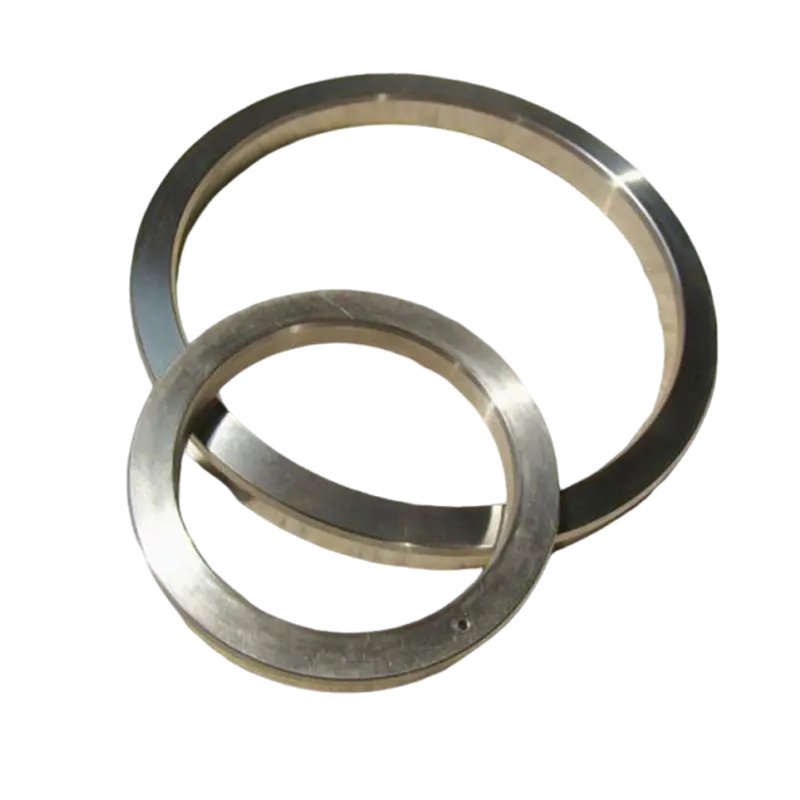
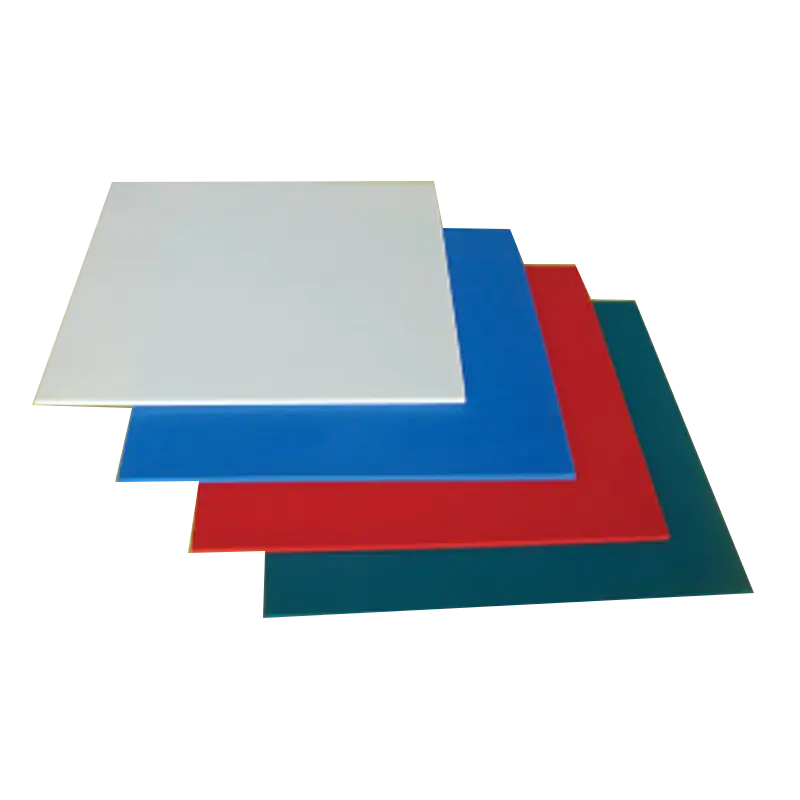
Imagine a critical pipe flange in a chemical plant starting to leak a hazardous fluid. The immediate shutdown costs thousands per hour. The root cause? An inadequate gasket that couldn't withstand the pressure, temperature, and corrosive media. This is where compression sheets come into play. These are specialized, pre-formed sheets of sealing materials designed to be compressed between two mating surfaces—like flanges—to create a leak-proof barrier. They work by filling microscopic imperfections on the flange faces. When bolts are tightened, the sheet material flows into these voids, forming a tight seal that blocks the escape of liquids or gases. The effectiveness hinges on the material's ability to maintain sealing force (stress) without degrading under operational conditions. For procurement specialists sourcing reliable sealing solutions, understanding the technical nuances of these sheets is key to preventing costly downtime and ensuring plant safety. This guide will break down everything you need to know.
Article Outline

Procurement managers often face the fallout of seal failure: emergency orders, production halts, and safety audits. The problem frequently isn't the bolting procedure but the core material of the compression sheet. A generic sheet might work in a water line but will fail catastrophically in a sulfuric acid transfer line. The solution lies in precise material specification based on the application's unique "AGGR" factors: Application media, Temperature, Pressure, and Movement. For instance, a steam line requires a material with high temperature resistance and recovery, while a food processing line needs FDA-compliance. What are compression sheets and how do they work? They are your first line of defense, and their material composition dictates their success. Partnering with a technical specialist like Ningbo Kaxite Sealing Materials Co., Ltd. during the specification phase can prevent these costly scenarios. They provide material compatibility charts and engineering support to ensure the selected sheet matches the exact service conditions.
| Pain Point Scenario | Likely Cause | Critical Material Property Needed |
|---|---|---|
| Seal extrusion in high-pressure hydraulics | Excessive creep or cold flow of material | High Compression Strength, Low Creep |
| Rapid degradation in chemical service | Material incompatibility with media | Excellent Chemical Resistance |
| Seal hardening and cracking in heat exchangers | Thermal aging of elastomer | High Continuous Service Temperature |
The market offers a bewildering array of compression sheet materials—PTFE, expanded PTFE, graphite, fiber-reinforced elastomers, and more. Each has a specific performance envelope. For example, expanded PTFE sheets from Ningbo Kaxite Sealing Materials Co., Ltd. are renowned for their exceptional chemical resistance and flexibility, making them ideal for irregular or lightly damaged flange faces. On the other hand, graphite sheets excel in extreme temperatures but require careful handling. The solution is to move beyond generic descriptions and focus on certified test data. Reputable manufacturers provide sheets with consistent density, tensile strength, and compression set values—key parameters that predict in-service performance. Always request a material data sheet (MDS) that includes ASTM or DIN standard test results. This data-driven approach transforms procurement from a commodity purchase into a value-based technical specification.
| Material Type | Best For Applications Involving... | Key Limitation | Typical Thickness Range |
|---|---|---|---|
| PTFE / Virgin PTFE | Strong acids, alkalis, solvents; Food/Pharma | Creep under high load; High thermal expansion | 0.5mm - 3.0mm |
| Expanded PTFE (ePTFE) | Versatile sealing, low bolt load, uneven surfaces | Not for molten alkali metals or fluorine gas | 0.5mm - 3.0mm |
| Compressed Non-Asbestos Fiber (CNAF) | Water, steam, oil, mild chemicals; General purpose | Limited temp./chemical range vs. PTFE/Graphite | 0.8mm - 3.0mm |
| Exfoliated Graphite | High-temperature flanges, heat exchangers, fire-safe | Vulnerable to strong oxidizers; Requires surface treatment | 0.5mm - 3.0mm |
Selecting a compression sheet can be simplified into a systematic process. First, gather all service condition data: fluid media, concentration, temperature (min/max), pressure (operating and test), and flange surface finish. Second, cross-reference this with material compatibility guides. Third, consider assembly factors: will the gasket be cut on-site? Is bolt torque control adequate? This is where technical support from your supplier is invaluable. Ningbo Kaxite Sealing Materials Co., Ltd. offers more than just products; they provide application engineering. They can recommend their modified PTFE resin sheets for aggressive chemical services or their reinforced composite sheets for high-pressure steam, ensuring the compression sheets you order are engineered to work reliably from the start. Finally, always validate the selection with a small trial batch for critical applications before full-scale procurement.
| Selection Step | Key Questions to Answer | Tools / Resources Needed |
|---|---|---|
| 1. Define Application | What is being sealed? What are the OPERATING conditions? | P&ID Diagrams, Process Descriptions |
| 2. Material Screening | Is the material chemically resistant? Can it handle the temperature? | Supplier Chemical Resistance Chart, ASTM F146 Test Standards |
| 3. Dimensional & Physical Spec | What thickness and density are required? What are the flange specs? | Flange Standards (ASME B16.21, DIN), Supplier MDS |
| 4. Supplier Qualification | Does the supplier provide consistent quality & test certificates? | Audit Reports, ISO 9001 Certification, Sample Testing |
Q: What's the main difference between a compression sheet and a standard rubber gasket?
A: The core difference lies in composition and behavior. Standard rubber gaskets are homogeneous elastomers that seal primarily through elastic recovery. Compression sheets, especially those made from PTFE, graphite, or fiber-reinforced composites, are engineered materials. They seal through a combination of initial compression (flow into surface imperfections) and material-specific properties like creep resistance or thermal stability. This makes them suitable for more demanding applications involving extreme temperatures, pressures, or aggressive chemicals where rubber would fail.
Q: How do I know if a compression sheet from Ningbo Kaxite Sealing Materials Co., Ltd. will work for my high-temperature application?
A: First, consult their technical data sheets which list the maximum continuous and peak temperatures for each material grade. For instance, their exfoliated graphite sheets typically handle up to 450°C in oxidizing atmospheres and far higher in inert ones. Second, provide the specific application details—actual temperature cycle, media, pressure, and flange type—to their engineering team. They can analyze if thermal cycling could cause stress relaxation (loosening of the seal) or if the oxidation rate is acceptable for your required service life. They often recommend performing a pilot test under simulated conditions to guarantee performance.
We hope this guide has clarified the critical role of compression sheets in your operations. The right selection is a strategic decision impacting safety, cost, and efficiency. Have specific sealing challenges or unique application parameters? We encourage you to reach out for a technical consultation.
For engineers and procurement specialists seeking reliable, high-performance sealing solutions, Ningbo Kaxite Sealing Materials Co., Ltd. stands as a trusted partner. With expertise in advanced materials like PTFE and engineered composites, Kaxite provides not just products but tailored sealing strategies to solve complex industrial challenges. Visit https://www.kxtsealing.net to explore their product portfolio or contact their engineering team directly at [email protected] for application-specific support.
Campbell, D. P., 2018, "Sealing Performance of Modified PTFE Sheets Under Cyclic Thermal Loading," Journal of Pressure Vessel Technology, Vol. 140, No. 3.
Zhang, L., & Hofmann, F., 2020, "Creep and Relaxation Behavior of Expanded Graphite Sheets for High-Temperature Gaskets," Sealing Technology, Issue 245.
Miller, J. A., 2019, "Comparative Analysis of Compressed Non-Asbestos Fiber Reinforced Composite Sheets," International Journal of Mechanical Engineering, Vol. 15.
Watanabe, K., et al., 2021, "The Effect of Fillers on the Chemical Resistance of PTFE-Based Compression Sheets," Polymer Engineering and Science, Vol. 61, No. 4.
Schmidt, R., 2017, "Leakage Rate Prediction for Soft Composite Gaskets Using Finite Element Analysis," Proceedings of the ASME PVP Conference.
Chen, H., & O’Donnell, D., 2022, "Long-Term Aging of ePTFE Gasketing Materials in Aggressive Chemical Environments," Materials Performance, Vol. 61.
Brown, T. L., 2016, "Standard Test Methods for Gasket Materials: ASTM F104, F146, and F36 Overview," ASTM Special Technical Publication.
Ito, M., & Sawa, T., 2019, "Contact Stress Distribution and Sealing Mechanism of Spiral-Wound and Sheet Gaskets," Journal of Advanced Mechanical Design, Systems, and Manufacturing, Vol. 13.
Peterson, A. R., 2018, "Fire-Safe Testing and Qualification of Graphite and Mica-Based Sheet Gaskets," Fire Technology, Vol. 54.
Lee, S., & Kim, Y., 2020, "Optimization of Compression Set and Recovery in Elastomer-Fiber Composite Sheets for Static Seals," Composite Structures, Vol. 252.


