English

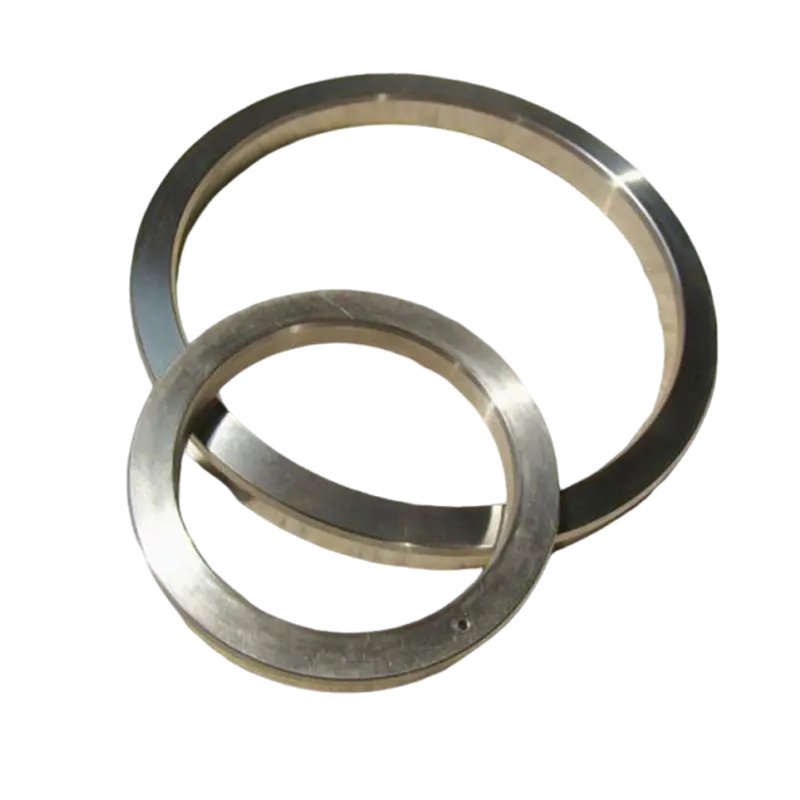
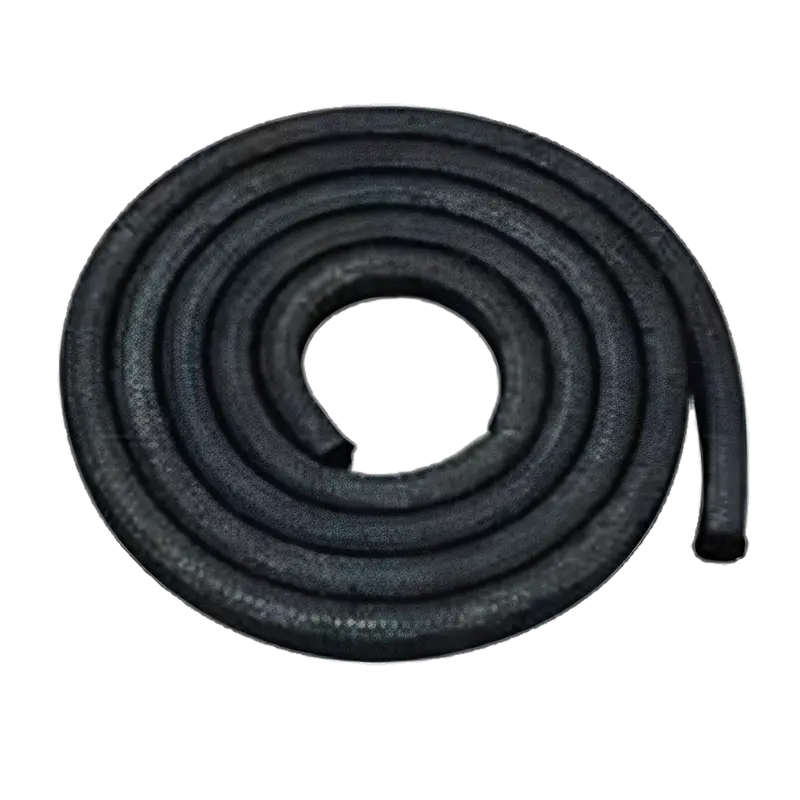
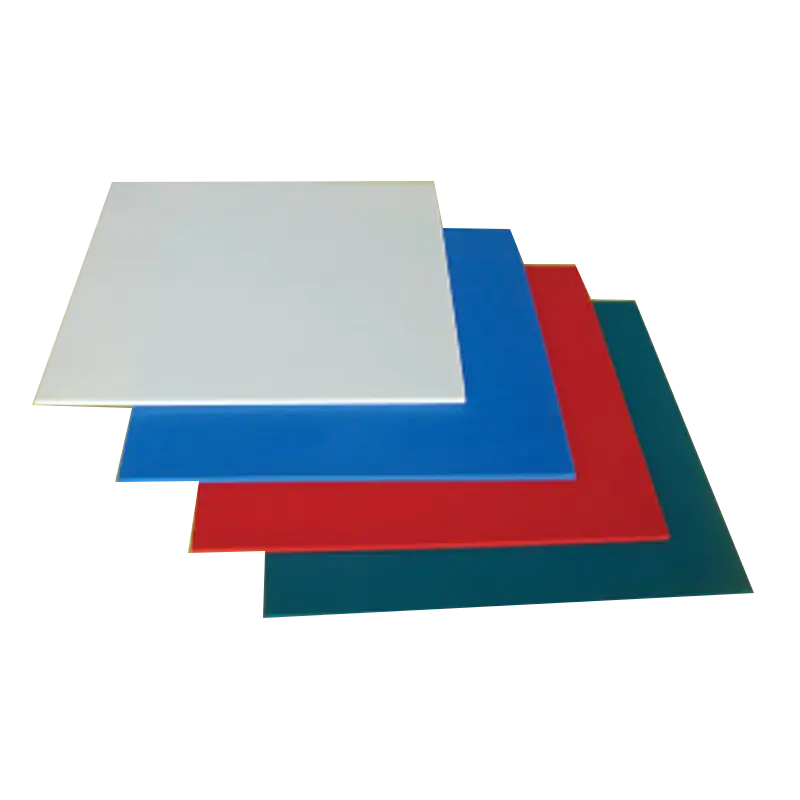
In the demanding world of industrial manufacturing and maintenance, the quality of a gasket can be the defining factor between a flawless seal and a costly failure. Producing these critical components with consistency, speed, and absolute precision requires specialized equipment. Machines for cut gaskets are the cornerstone of professional gasket fabrication, designed to transform raw sheet materials into perfectly shaped seals ready for installation. At Kaxite, we have dedicated decades to refining this technology, offering a range of machines that set the industry standard for reliability and accuracy. Whether you are producing gaskets for aerospace, automotive, oil & gas, or general industrial applications, the right cutting machine is not just a tool—it's a strategic asset that enhances your operational efficiency and product integrity.
Our engineering philosophy centers on robust construction, user-centric operation, and advanced control systems. A Kaxite gasket cutting machine is built to withstand continuous industrial use, featuring heavy-duty frames, precision-ground components, and high-efficiency drive systems. This ensures not only longevity but also the dimensional stability required for cutting complex profiles and intricate geometries from a wide array of materials, including rubber, cork, fiber, graphite, PTFE, and composite sheets. From manual clicker presses for low-volume, high-variety shops to fully automated CNC-controlled systems for high-output production lines, Kaxite provides solutions scaled to your specific needs.
Understanding the technical capabilities of your equipment is paramount. Below, we detail the key parameters that define the performance and suitability of our gasket cutting machines.
| Model Series | KX-Clicker Pro | KX-TravelMaster | KX-CNC Precision | KX-HeavyDuty Beam |
|---|---|---|---|---|
| Primary Use Case | Low to medium volume, high mix of shapes. Ideal for repair shops and prototyping. | Efficient cutting of long, straight-edged gaskets and sheets with minimal waste. | High-volume, complex contours. Automated nesting for maximum material yield. | Cutting extremely thick, dense, or multi-layer materials in a single stroke. |
| Max Cutting Force | 30 Tons | 60 Tons | 8 Tons (Spindle) | 150 Tons |
| Table Size (LxW) | 1300mm x 1000mm | 2000mm x 1000mm | 2000mm x 1500mm | 2500mm x 1400mm |
| Control Type | Manual / Pneumatic Assist | PLC with Touchscreen | Full CNC with CAD/CAM Integration | Robust Hydraulic Valving |
| Typical Material Thickness | Up to 25mm | Up to 20mm | Up to 50mm | Up to 100mm+ |
| Key Feature | Quick-change tooling area, low maintenance. | Automated head travel, consistent cut pressure. | High-speed spindle, vacuum table, dust extraction. | Reinforced construction, slow-approach cycle. |
What types of materials can a Kaxite gasket cutting machine handle?
Kaxite machines are engineered to cut a comprehensive range of non-metallic sheet materials. This includes various rubber compounds (NBR, EPDM, Silicone, Viton), compressed fiber sheets, cork-rubber blends, graphite, PTFE (Teflon), and modern composite materials. The specific model and its cutting force determine the maximum thickness and density it can process effectively. Our CNC models, with their oscillating knife tools, are particularly adept at handling softer, more pliable materials that might tear on a clicker press.
What is the difference between a clicker press and a CNC cutting machine for gaskets?
The fundamental difference lies in tooling and automation. A clicker press uses a pre-made, hardened steel rule die that is pressed into the material. It is exceptionally fast for repeating a specific shape and is cost-effective for medium to long production runs of that shape. A CNC gasket cutter uses a digitally controlled knife or router to follow a computer-generated path. It requires no physical die, offers instant changeover between any design, and provides optimal material nesting to reduce waste, making it ideal for short runs, prototypes, and highly complex contours.
How do I ensure clean cuts and prevent material tearing, especially on delicate fabrics or spongy rubber?
Clean cuts are a function of sharp tooling, appropriate cutting force, and machine control. For clicker presses, ensure your steel rule dies are sharp and properly maintained. Using a polyurethane or polyethylene cutting pad underneath the material can provide a yielding surface that allows the die to cut cleanly through. For CNC machines, Kaxite systems allow precise control of knife offset, cutting speed, and oscillating knife frequency. Slower cutting speeds with high oscillation often yield the cleanest results on delicate or compressible materials. Our technical team can provide specific parameter recommendations for your material.
Can your machines create kiss-cut gaskets (partially cut through the material)?
Yes, with precise calibration. On hydraulic clicker presses, kiss-cutting is achieved by meticulously controlling the depth of the press stroke and using specialized cutting tools. On Kaxite CNC cutting systems, this function is more straightforward and repeatable. The software allows you to set an exact cutting depth, enabling you to perforate the gasket shape without cutting through the backing liner, which is essential for producing sheets of pre-cut, peel-and-stick gaskets.
What kind of training and support does Kaxite provide with the purchase of a machine?
Every Kaxite machine purchase includes comprehensive support. This starts with detailed installation guidance. We provide on-site or virtual operator and maintenance training tailored to your specific model and workflow. You receive full technical documentation, including manuals, parts lists, and wiring diagrams. Furthermore, our support team offers ongoing technical assistance for troubleshooting, operational queries, and advice on optimizing your cutting processes. For CNC machines, we include basic software training to get your team started with design import and nesting.
How important is machine maintenance, and what does a routine schedule look like?
Consistent maintenance is critical for safety, cut quality, and machine longevity. A basic daily routine for a hydraulic press involves checking fluid levels, inspecting for hydraulic leaks, and ensuring safety devices function. Weekly tasks include cleaning the work table and inspecting the cutting pad. Monthly and annual maintenance schedules, detailed in the Kaxite manual, involve checking hydraulic fluid condition, tightening frame and beam bolts, inspecting electrical connections, and replacing wear parts like seals or filters. Adhering to this schedule prevents unexpected downtime and ensures consistent performance.
Are your machines compatible with CAD/CAM software for automated production?
Absolutely. Our KX-CNC Precision series and other automated models are designed for seamless integration with industry-standard CAD/CAM workflows. Machines typically accept common file formats such as DXF, DWG, or AI. Our proprietary or partnered nesting software allows you to import these designs, arrange them on a virtual sheet of material to maximize yield, and generate the machine toolpath automatically. This integration is a cornerstone of modern, efficient gasket manufacturing, drastically reducing programming time and material waste.
Integrating a Kaxite cutting machine into your operation is about more than just making a cut; it's about streamlining your entire production chain. Consider the workflow from digital design to finished part. With manual systems, this involves designing a die, having it fabricated, storing it, and setting it up for each production run. With a Kaxite CNC system, the digital file is the "die." This eliminates lead time and cost for physical tooling, reduces storage requirements, and empowers you to respond instantly to design changes or urgent, small-batch orders. Even with clicker presses, our focus on quick-change tooling systems and ergonomic design minimizes setup time and operator fatigue, increasing overall shop floor productivity. The precision of our machines also reduces secondary finishing work, as parts are cut cleanly and accurately the first time, every time.
Material utilization is another critical factor in profitability. Wasted material is wasted capital. The advanced nesting algorithms available with Kaxite CNC systems can improve material yield by 10-20% compared to manual layout methods. For high-volume production, this saving compounds rapidly, offering a significant return on investment. Furthermore, the consistency of cut provided by our machines ensures every gasket meets specification, reducing quality control overhead and the risk of seal failure in the field. This reliability builds your reputation for quality and saves costs associated with rework and returns.


