English

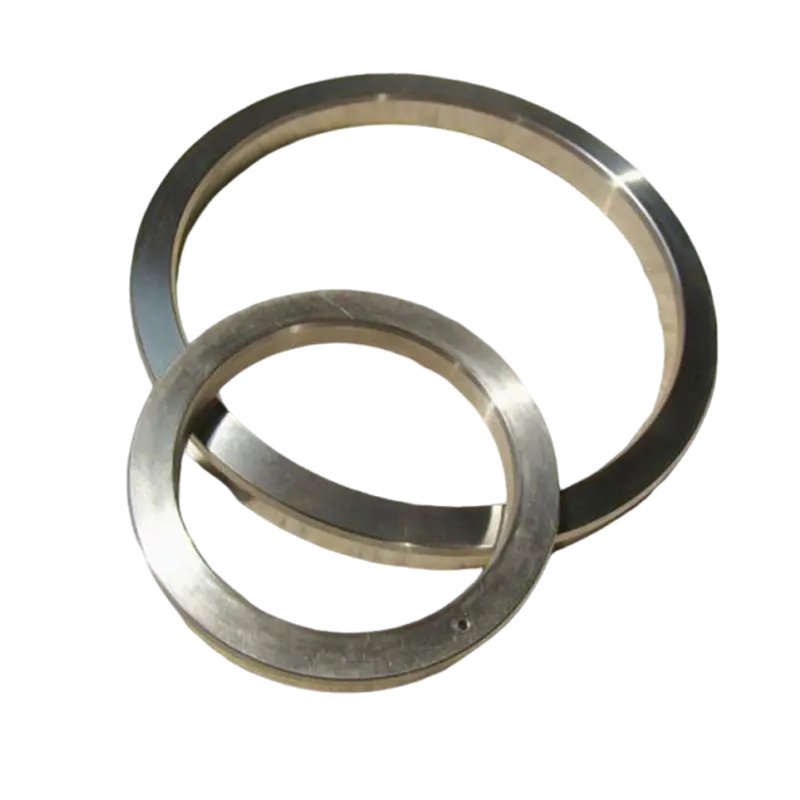
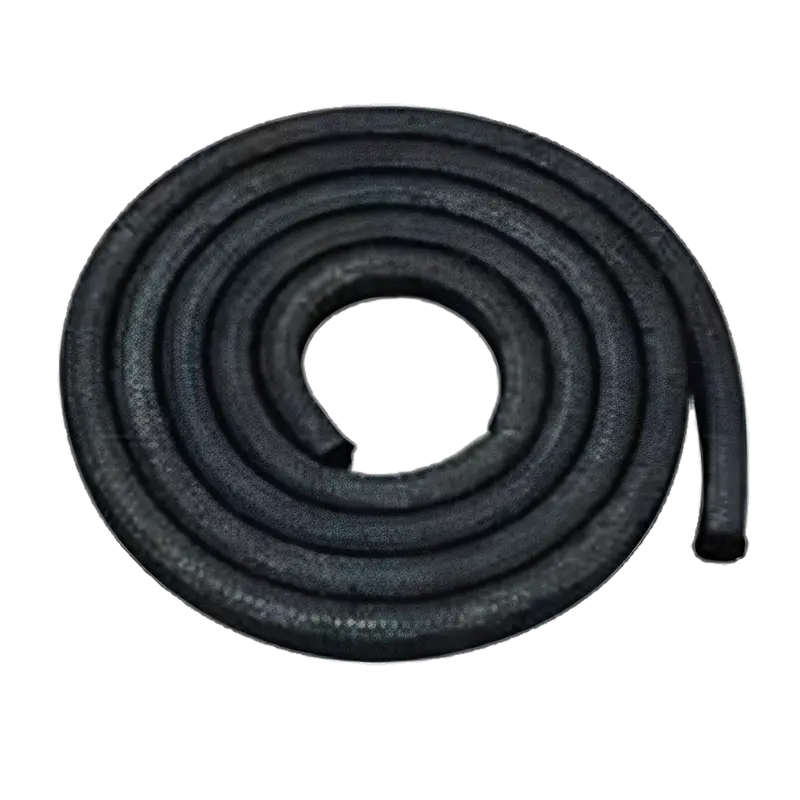
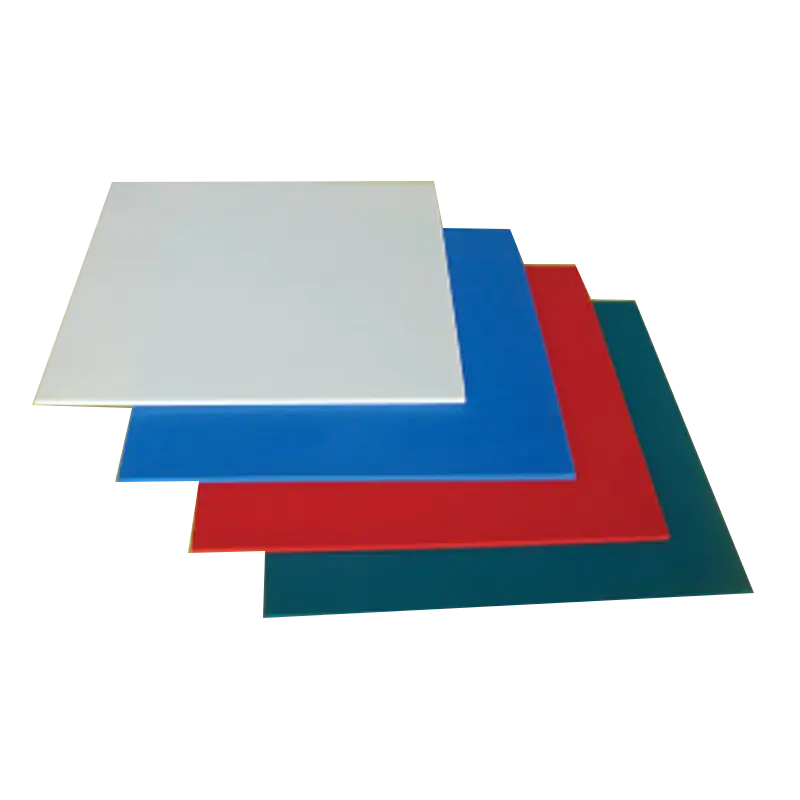
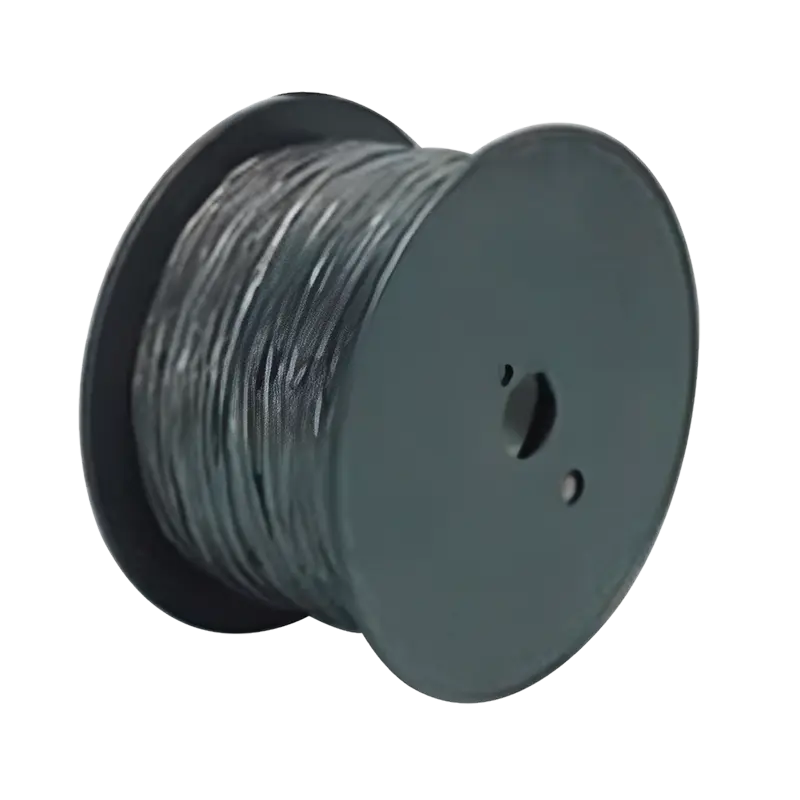
In the demanding world of industrial sealing, where preventing leaks under extreme pressure and temperature is paramount, Corrugated Gaskets stand out as a premier engineering solution. These gaskets are characterized by their distinctive, wave-like pattern of concentric grooves and ridges machined into a flat metal core. This corrugated structure is more than just an aesthetic feature; it is the key to their exceptional performance. The design provides a high degree of flexibility and resilience, allowing the gasket to conform perfectly to flange imperfections while maintaining a robust metallic sealing surface. At Kaxite, we engineer our corrugated gaskets to deliver uncompromising reliability in the most challenging applications, from refining and petrochemical to power generation and aerospace.
Choosing the right sealing solution directly impacts safety, efficiency, and operational costs. Kaxite's corrugated gaskets are designed with superior features that address common sealing challenges.
The performance of a corrugated gasket is determined by its precise dimensions and the material from which it is crafted. Kaxite offers a comprehensive range of specifications and materials to meet exact application requirements.
| Parameter | Description | Standard Range (Kaxite) |
|---|---|---|
| Outer Diameter (OD) | Overall outside diameter of the gasket. | 15 mm to 1500 mm (Custom sizes available) |
| Inner Diameter (ID) | Inner bore diameter of the gasket. | 10 mm to 1450 mm |
| Thickness (T) | Thickness of the metal core. | 0.5 mm to 3.0 mm |
| Pitch | Distance between the crests of two adjacent corrugations. | 1.5 mm, 2.0 mm, 2.5 mm, 3.0 mm |
| Corrugation Depth | Height of the corrugation wave. | 0.3 mm to 0.8 mm |
| Face Finish | Surface treatment of the gasket faces. | Plain, PTFE Coated, Graphite Coated, Silver Plated |
Selecting the correct material is critical for chemical compatibility and temperature resistance. Below is a guide to Kaxite's standard material offerings.
| Material Grade | Key Characteristics | Max Temp. Range | Typical Applications |
|---|---|---|---|
| 304 / 304L Stainless Steel | Excellent general corrosion resistance, good formability. | -250°C to 450°C | Food processing, chemical, general industrial. |
| 316 / 316L Stainless Steel | Superior chloride resistance, excellent all-around performance. | -250°C to 450°C | Marine, pharmaceutical, pulp & paper. |
| Inconel 600/625 | Outstanding oxidation & high-temperature corrosion resistance. | Up to 1150°C | Gas turbines, heat treat furnaces, nuclear. |
| Monel 400 | Exceptional resistance to sulfuric & hydrofluoric acids, seawater. | Up to 480°C | Marine, HF alkylation, chemical processing. |
| Titanium | High strength-to-weight ratio, excellent corrosion resistance. | Up to 330°C | Aerospace, seawater, chlorination processes. |
| Soft Iron / Low Carbon Steel | Cost-effective, good for high-pressure non-corrosive services. | Up to 500°C | Steam, oil, gas (where corrosion is not a concern). |
Q: When should I choose a corrugated gasket over a spiral wound or flat ring gasket?
A: Corrugated gaskets are an excellent middle-ground choice. Choose them over flat ring gaskets when you need better conformability and a lower bolt load. Choose them over spiral wound gaskets for applications with moderate pressure and temperature where a simpler, all-metal construction is preferred, or where space constraints exist, as corrugated gaskets are typically thinner. They are ideal for heat exchangers, pump covers, and valve bonnets.
Q: Can Kaxite corrugated gaskets be used with raised face (RF) and flat face (FF) flanges?
A: Yes, Kaxite corrugated gaskets are versatile and suitable for use with both Raised Face (RF) and Flat Face (FF) flanges. For RF flanges, the gasket seats within the raised area. For FF flanges, it is crucial to ensure the gasket's outer diameter does not extend beyond the bolt circle to avoid bending moments. Always consult Kaxite's engineering guidelines for specific flange and gasket dimension compatibility.
Q: What is the purpose of the PTFE or Graphite coating on some corrugated gaskets?
A: Kaxite applies soft, conformable coatings like PTFE or exfoliated Graphite to the gasket surface for several reasons. These coatings fill micro-imperfections on the flange surface, creating a superior initial seal at lower bolt loads. They also provide a degree of corrosion barrier for the metal core and can aid in disassembly by preventing galling or sticking to the flange. PTFE is for chemical inertness, while graphite offers better temperature resistance.
Q: How do I determine the correct torque for bolting a corrugated gasket?
A: Proper bolt torque is critical. While corrugated gaskets require less load than solid flat rings, an insufficient load can lead to leakage, and an excessive load can crush the corrugations. The optimal torque depends on gasket material, size, coating, flange material, and bolt grade. Kaxite provides detailed, application-specific torque recommendations with every product. As a general rule, a staggered, cross-pattern tightening sequence to achieve uniform load is mandatory.
Q: Are corrugated gaskets suitable for cyclic temperature or pressure service?
A: Absolutely. The inherent resilient "spring-like" nature of the corrugated design makes Kaxite corrugated gaskets particularly well-suited for services with frequent thermal or pressure cycles. The gasket can compress and recover with these cycles, maintaining sealing stress where a less resilient gasket might relax and leak. This makes them a preferred choice for heat exchangers and engine components.
Q: Can I get custom-designed corrugated gaskets from Kaxite?
A: Yes. Kaxite specializes in engineering custom sealing solutions. We can manufacture corrugated gaskets to non-standard sizes, with specific corrugation profiles (pitch and depth), from special alloy materials, or with unique coatings to solve your specific sealing challenge. Our engineering team works directly with clients to develop the optimal specification.
The robust and reliable nature of our corrugated gaskets makes them indispensable across a wide spectrum of industries.
To ensure the maximum performance and service life of your Kaxite corrugated gasket, proper installation is non-negotiable.


