English

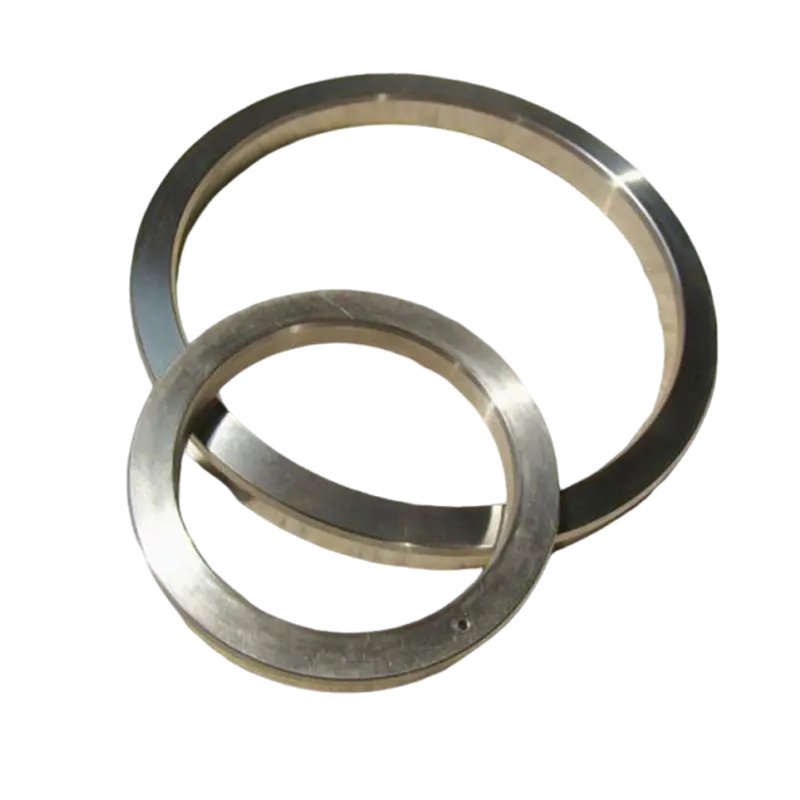
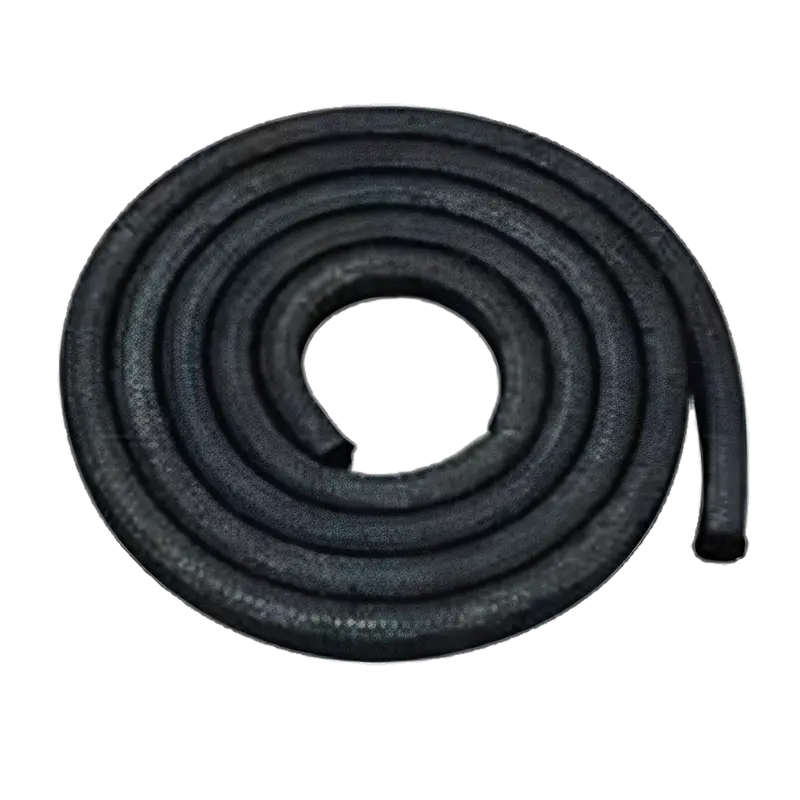
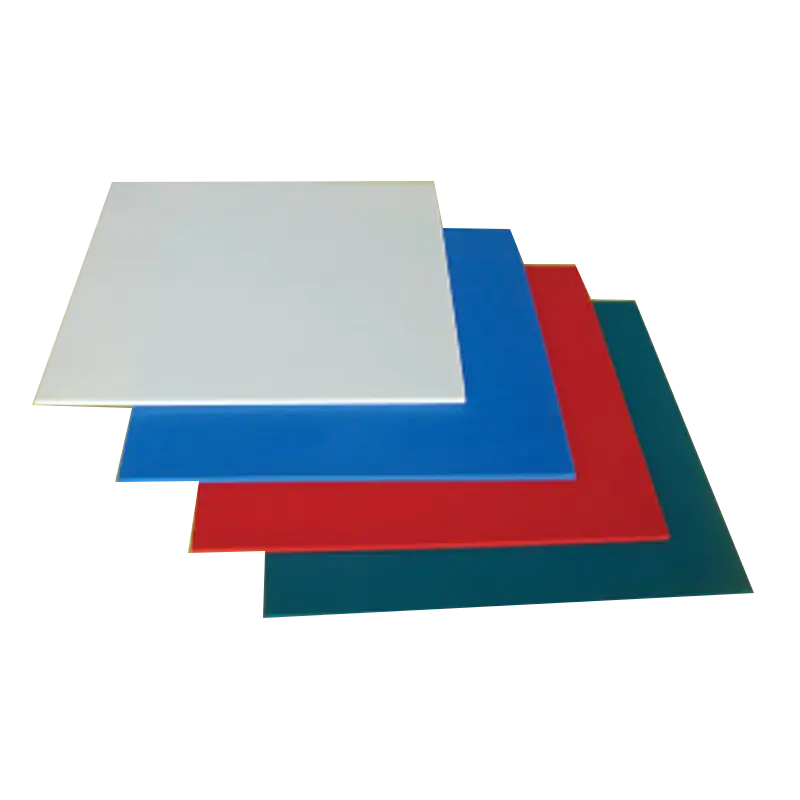
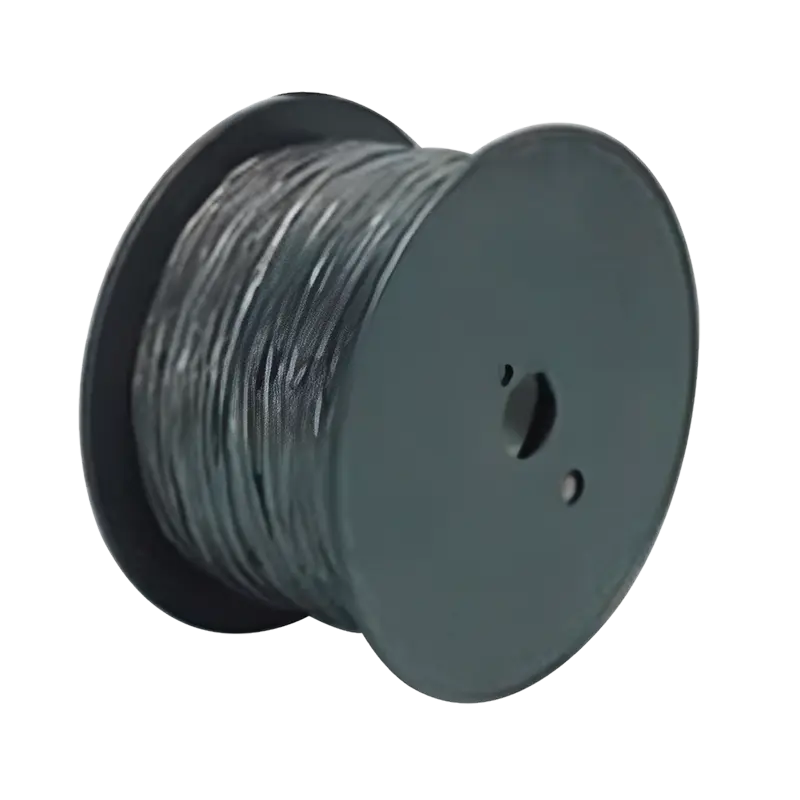
In the world of industrial sealing, where chemical resistance, extreme temperatures, and purity are non-negotiable, PTFE Gaskets stand as the benchmark for reliability. Kaxite, with decades of specialized engineering expertise, manufactures premium-grade PTFE gaskets designed to deliver uncompromising performance in the most challenging environments. Our gaskets are engineered from 100% pure virgin polytetrafluoroethylene, ensuring superior sealing integrity, exceptional longevity, and compliance with stringent industry standards.
PTFE, or Polytetrafluoroethylene, is a synthetic fluoropolymer renowned for its near-universal chemical inertness and outstanding thermal stability. This makes PTFE gaskets the ideal sealing solution for industries such as chemical processing, pharmaceuticals, food and beverage, semiconductor manufacturing, and oil & gas. Unlike elastomeric gaskets that can degrade, swell, or lose compression, PTFE maintains its properties across a vast range of operating conditions, providing a safe and leak-proof seal that plant operators can depend on.
The exceptional performance of Kaxite PTFE Gaskets stems from the inherent properties of the PTFE polymer itself. We meticulously control our material sourcing and processing to guarantee these properties are fully realized in every gasket we produce.
Selecting the correct gasket requires precise technical data. Below are the key specifications for standard Kaxite Virgin PTFE Gaskets. For specialized grades like filled PTFE or expanded PTFE (ePTFE), please consult our detailed datasheets.
| Property | Test Standard | Typical Value (Virgin PTFE) | Notes |
|---|---|---|---|
| Specific Gravity | ASTM D792 | 2.14 - 2.20 g/cm³ | Indicates material density and purity. |
| Tensile Strength | ASTM D638 | 25 - 35 MPa (3600 - 5000 psi) | Measures resistance to pulling forces. |
| Elongation at Break | ASTM D638 | 300 - 500 % | High elongation indicates good creep resistance and conformity. |
| Compressive Strength | ASTM D695 | 12 MPa (1700 psi) @ 1% Deformation | Key for understanding load-bearing and sealing force. |
| Continuous Service Temperature | - | -268°C to +260°C (-450°F to +500°F) | Widest usable temperature range of any common gasket material. |
| Thermal Conductivity | ASTM C177 | 0.25 W/m·K | Low thermal conductivity provides good insulation. |
| Coefficient of Friction | ASTM D1894 | 0.05 - 0.10 (Static, against steel) | Extremely low, reducing bolt torque requirements. |
| Dielectric Strength | ASTM D149 | >19 kV/mm (480 V/mil) | Excellent electrical insulator. |
| Chemical Resistance | - | Excellent to Excellent | Resistant to all solvents, acids, alkalis, except molten alkali metals and fluorine under pressure. |
Kaxite offers a comprehensive range of PTFE gasket styles to suit various flange types and sealing requirements.
Q: What is the main difference between Virgin PTFE and Filled PTFE gaskets?
A: Virgin PTFE is 100% pure polytetrafluoroethylene, offering the best chemical resistance and purity. Filled PTFE incorporates materials like glass fiber, carbon, graphite, or bronze (typically 5-40%) to enhance specific properties. Fillers can improve compressive strength (creep resistance), reduce wear, enhance thermal conductivity, or lower material cost. Kaxite engineers can recommend the optimal material based on your application's pressure, temperature, and media.
Q: Can PTFE gaskets be used for high-pressure applications?
A: Pure, soft PTFE has a tendency to cold flow (creep) under sustained high bolt load, which can lead to sealing force loss over time in high-pressure applications. For pressures above 150 psi (10 bar) or in cyclic service, we recommend reinforced designs. These include filled PTFE grades for improved creep resistance, spiral-wound gaskets with PTFE filler, or Kammprofile gaskets with a PTFE sealing layer. These designs contain the PTFE, preventing excessive flow while utilizing its chemical resistance.
Q: How do I install and torque a PTFE gasket correctly?
A: Proper installation is critical. Ensure flange faces are clean, aligned, and undamaged. Place the gasket centered on the flange. Use lubricated bolts and follow a cross-pattern torque sequence (star pattern) in multiple stages (e.g., 30%, 60%, 100% of final torque). The final torque value should be based on the bolt size, grade, and gasket style. Due to PTFE's low friction and creep characteristics, a re-torque after 24 hours of operation or a heat cycle is often recommended to maintain the seal. Consult Kaxite for specific torque guidelines for your gasket type.
Q: Are PTFE gaskets suitable for oxygen service?
A: Yes, but with critical precautions. Virgin PTFE itself is highly resistant to oxidation. However, for high-pressure oxygen service, the gasket must be meticulously cleaned of all organic contaminants (oils, grease) during manufacturing and handling to prevent ignition risk. Kaxite offers specially cleaned and packaged PTFE gaskets certified for oxygen service, complying with standards like ASTM G93.
Q: What is ePTFE, and how is it different from molded PTFE?
A: ePTFE (expanded PTFE) is a PTFE that has been processed to create a microporous structure, resulting in a highly flexible, compressible, and fiber-like tape or sheet. It has superior conformability to irregular surfaces and is often used for thread sealing, flange gasketing (as die-cut sheets or cord), and as a jacket for spiral-wound gaskets. Molded PTFE (skived or die-molded) is denser, less compressible, and used for precision-machined, dimensionally stable gaskets. Kaxite produces both, guiding customers to the best form for their needs.
Q: How does Kaxite ensure the quality of its PTFE gaskets?
A: Kaxite implements a rigorous quality management system. We start with certified virgin PTFE resins from leading suppliers. Our manufacturing processes—from molding and sintering to skiving and CNC machining—are precisely controlled. Every production batch undergoes quality checks for dimensions (per ASME B16.21 or customer drawings), visual integrity, and material density. Certificates of Compliance (CoC) and material test reports (MTRs) are available to trace material origin and key properties, ensuring full accountability and performance reliability.
The versatility of PTFE makes Kaxite gaskets a critical component across a diverse spectrum of industries. Our products are specified by engineers and maintenance professionals who cannot afford downtime or safety incidents caused by seal failure.


