English

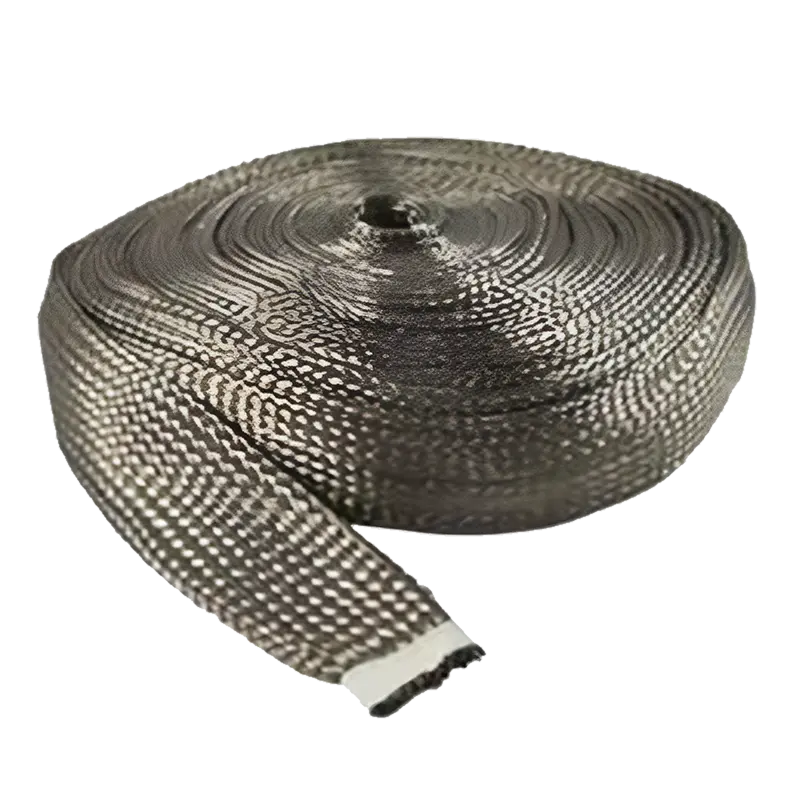
Anti-corrosion tape is a specialized pressure-sensitive tape designed to protect metal substrates, primarily pipelines and joints, from corrosion. It forms a durable, long-lasting barrier against moisture, chemicals, electrolytes, and atmospheric conditions that cause rust and degradation. Typically consisting of a corrosion inhibitor compound (like petrolatum or butyl rubber) saturated into a carrier backing such as PVC, polyethylene, or fabric, it is wrapped around prepared metal surfaces. Its primary function is to prevent the electrochemical reactions that lead to corrosion, thereby extending the service life of critical infrastructure by decades. Kaxite's formulation represents a significant advancement in this field, offering superior adhesion and environmental resistance.
Kaxite anti-corrosion tapes are engineered for maximum performance in demanding environments. Key features include:
The following tables outline the standard specifications for Kaxite's primary anti-corrosion tape series. Specifications may vary for custom formulations.
| Property | Test Method | Typical Value / Specification |
|---|---|---|
| Total Thickness | ASTM D1000 | 1.1 mm ± 0.1 mm |
| Backing Material | - | High-density Polyethylene (HDPE) / PVC Reinforced |
| Adhesive Type | - | Butyl Rubber-Based Compound |
| Tensile Strength | ASTM D1000 | ≥ 30 N/cm |
| Elongation at Break | ASTM D1000 | ≥ 200% |
| Adhesion to Steel (Peel) | ASTM D3330 | ≥ 50 N/25mm (24 hrs) |
| Dielectric Strength | ASTM D1000 | ≥ 30 kV/mm |
| Property | Test Method | Typical Value / Specification |
|---|---|---|
| Service Temperature Range | - | -30°C to +80°C (Continuous) |
| Water Vapor Transmission | ASTM E96 | ≤ 0.5 g/m²/24h |
| Cathodic Disbondment (30 days, 65°C) | ISO 21809-3 | ≤ 8 mm radius |
| Soil Stress Resistance | ASTM G17 | No disbondment after 1000 hrs |
| UV Resistance (QUV, 2000 hrs) | ASTM G154 | No cracking, checking, or significant adhesion loss |
| Product Code | Width (mm) | Length (m) | Core ID (mm) | Primary Application |
|---|---|---|---|---|
| KX-ACT-50 | 50 mm | 20 m | 76 mm | Small fittings, welds, repairs |
| KX-ACT-100 | 100 mm | 20 m | 76 mm | Standard pipe joints, couplings |
| KX-ACT-150 | 150 mm | 20 m | 76 mm | Large diameter joints, girth welds |
| KX-ACT-300 | 300 mm | 10 m | 152 mm | Pipeline rehabilitation, wide-area protection |
Correct application is critical for the long-term performance of any anti-corrosion tape. Follow these steps for optimal results with Kaxite tape:
What is the primary mechanism by which anti-corrosion tape protects metal?
Anti-corrosion tape acts as a physical and electrochemical barrier. It physically blocks oxygen, water, and soil electrolytes from contacting the metal surface. Additionally, the adhesive layer often contains corrosion-inhibiting compounds that passivate the metal surface, further suppressing the anodic and cathodic reactions necessary for corrosion to occur.
Can Kaxite anti-corrosion tape be applied over existing rust?
No. It is imperative to remove all loose rust, mill scale, and contaminants before application. The tape must adhere directly to a sound substrate. Applying tape over active rust will trap corrosive elements and likely accelerate localized corrosion under the tape, leading to failure. Surface preparation to at least St2 or Sa2 standard is a mandatory step.
What is the expected service life of a properly applied Kaxite anti-corrosion tape system?
The service life depends on environmental conditions (soil chemistry, temperature, moisture, stress), surface preparation, and application quality. Under standard conditions with proper installation, Kaxite tapes are designed for a service life exceeding 30 years for buried pipelines and 20+ years for above-ground applications, as validated by accelerated aging tests.
Is this tape compatible with Cathodic Protection (CP) systems?
Yes, absolutely. Kaxite anti-corrosion tapes are electrically insulating and designed to work synergistically with CP systems. Their high dielectric strength prevents current drain, and they are specifically tested for excellent resistance to cathodic disbondment, meaning they remain adhered to the pipe even under the alkaline environment created at CP discharge points.
What is the difference between butyl-based and petrolatum-based anti-corrosion tapes?
Butyl-based tapes (like Kaxite's standard series) offer higher tensile strength, better conformability over irregular surfaces, and superior adhesion in a wider temperature range. Petrolatum tapes are softer, have excellent water displacement properties, and are often used for difficult-to-prepare surfaces or temporary protection. Butyl tapes are generally preferred for permanent, long-term, and mechanically demanding applications.
How do I select the correct width and thickness of tape for my project?
Selection depends on the pipe diameter, the area to be covered, and the required protection level. Narrow widths (50-100mm) are ideal for joints and fittings. Wider tapes (150-300mm) are more efficient for long pipeline sections or rehabilitation. Thickness correlates with dielectric strength and mechanical protection; standard 1.1mm tape suits most applications, while more aggressive environments may require a thicker or multi-layer system. Consult Kaxite's engineering support for project-specific recommendations.
Can the tape be applied in cold or wet weather conditions?
Kaxite tapes are formulated for application in temperatures as low as -30°C. However, the substrate must be dry and free of frost or ice. Surface temperature should ideally be at least 3°C above the dew point to prevent condensation under the tape. In damp conditions, the use of a compatible primer is strongly advised to enhance adhesion.
Is an outer protective wrap or UV coat required for buried pipelines?
For direct burial, Kaxite's tape is sufficient as a standalone corrosion coating. However, for rocky or stony backfill, or in areas with potential for mechanical damage, an optional outer protective mesh or heavy-duty film wrap is recommended as a mechanical shield. For above-ground sections, while the tape has good UV resistance, an additional UV-protective topcoat or aluminum foil laminate is often used for very long-term exposure.
Kaxite anti-corrosion tape is a versatile solution utilized across numerous industries for asset protection:


