English

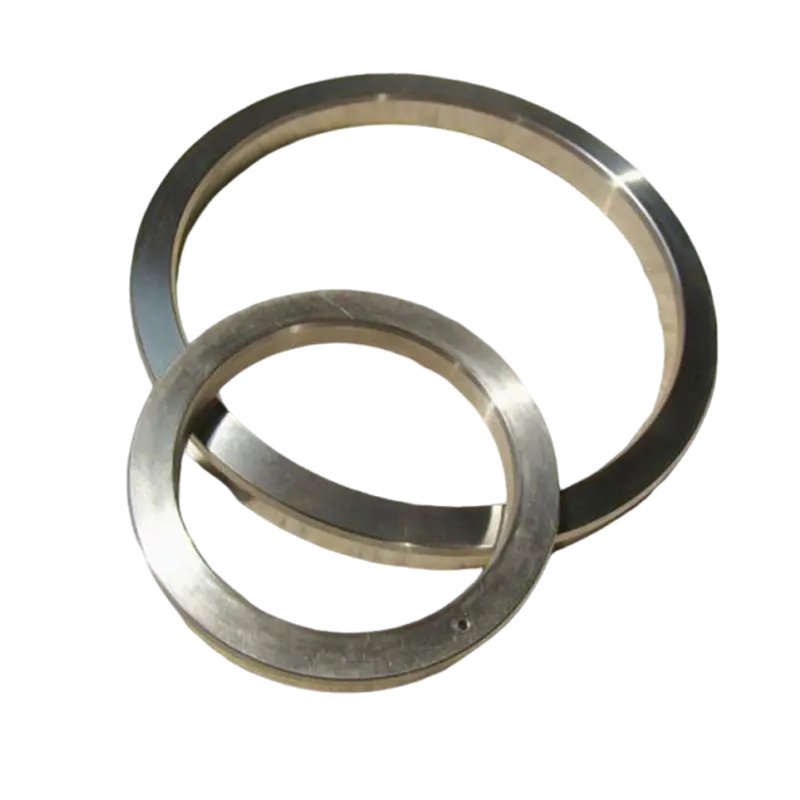
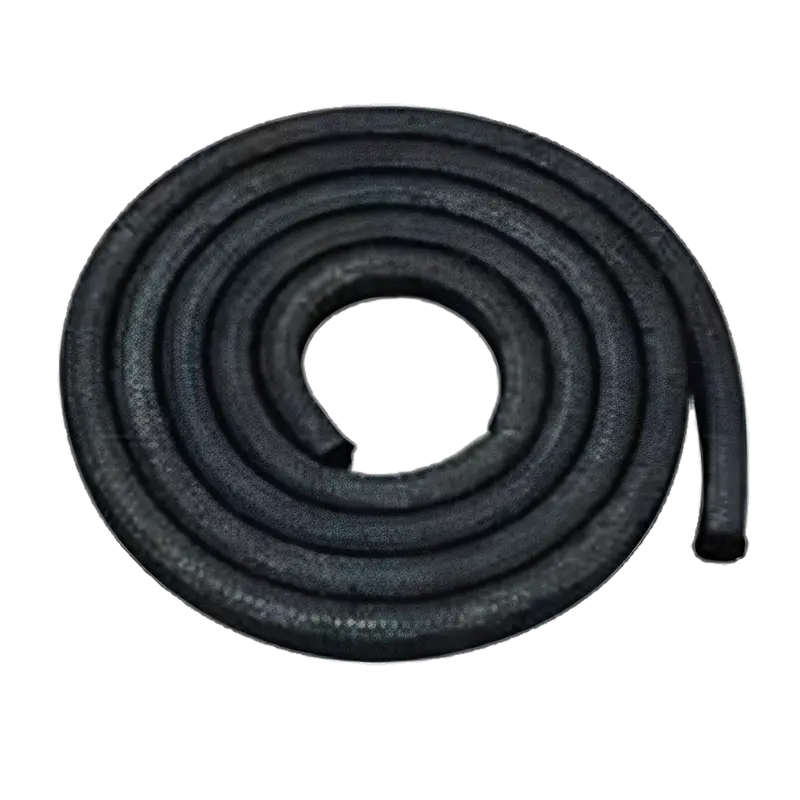
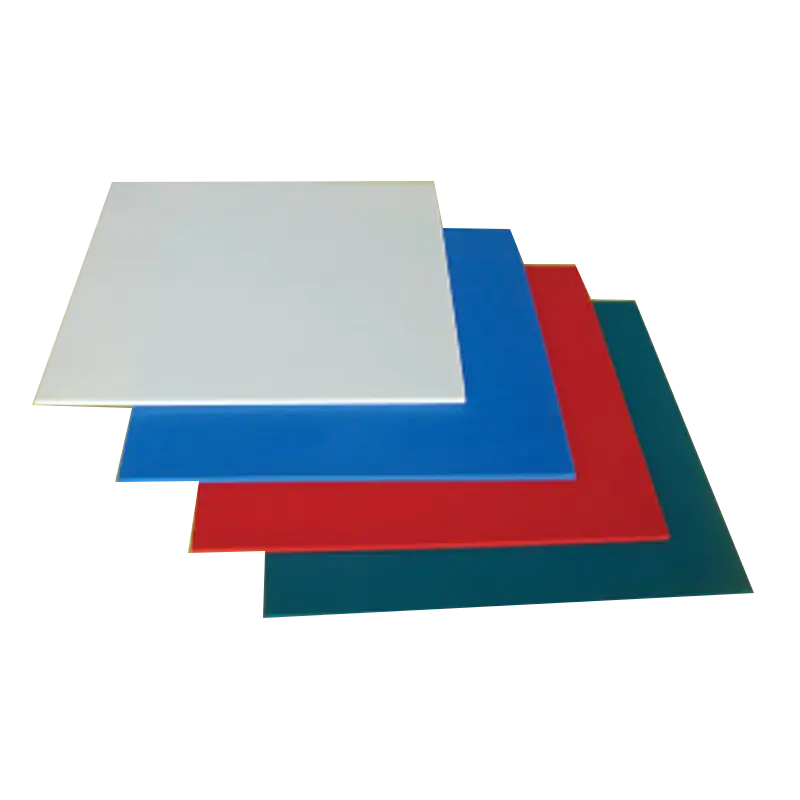
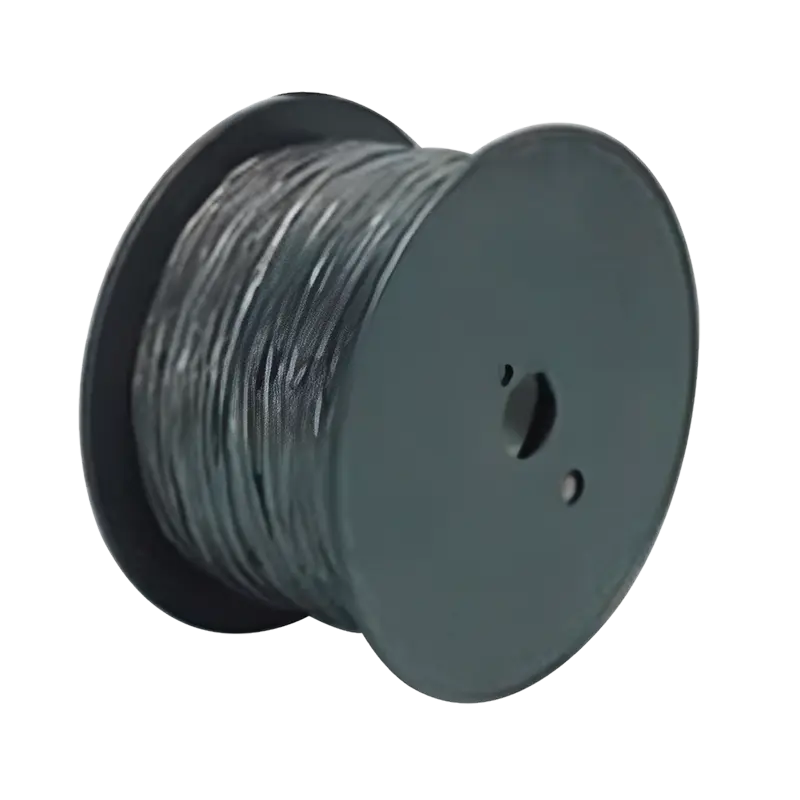
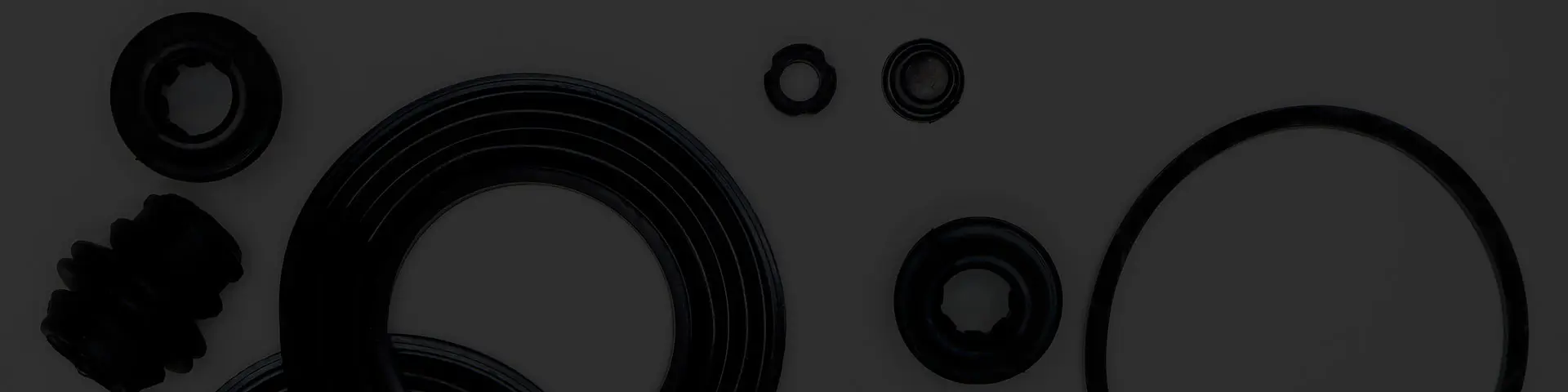
In the demanding world of industrial sealing, where extreme pressures, temperatures, and corrosive media are commonplace, a standard flat gasket often falls short. This is where the specialized design of Serrated Gaskets comes into play. Also known as serrated metal gaskets or ring-type joints (RTJ) in specific configurations, these are mechanical seals designed for high-integrity, high-pressure applications. Unlike soft gaskets, they are typically constructed from a solid metal ring, such as stainless steel, carbon steel, or exotic alloys like Inconel or Monel. The defining characteristic is the precision-machined concentric serrations or grooves on both the top and bottom sealing faces. When the flange bolts are tightened, these sharp serrations bite into the relatively softer flange material, creating multiple concentric lines of contact. This action results in an extremely tight, metal-to-metal seal capable of containing pressures exceeding 10,000 psi and withstanding temperatures from cryogenic levels to over 1000°F (538°C). The primary function of a serrated gasket is to prevent leakage in critical joints within oil and gas production, chemical processing, refinery piping, and high-pressure vessel connections.
The robustness and reliability of serrated gaskets make them indispensable in several high-stakes industries. Their application is critical wherever system failure is not an option.
The performance of a serrated gasket is determined by its material composition, hardness, and precise geometric dimensions. Kaxite manufactures serrated gaskets to exacting international standards, ensuring compatibility and safety.
| Material Grade | Common Standard | Typical Hardness (Brinell) | Temperature Range | Primary Corrosion Resistance |
|---|---|---|---|---|
| Soft Iron (Low Carbon Steel) | ASTM A285 / API 6A | 120 max | -20°F to 800°F (-29°C to 427°C) | Steam, oil, non-corrosive gases |
| 304 / 316 Stainless Steel | ASTM A182 F304/F316 | 160 - 210 | -425°F to 1500°F (-254°C to 816°C) | Excellent general corrosion & pitting resistance |
| Alloy 600 (Inconel) | ASTM B166 / UNS N06600 | 150 - 220 | Cryogenic to 2150°F (-196°C to 1177°C) | Oxidation, chlorides, caustic solutions |
| Alloy 400 (Monel) | ASTM B164 / UNS N04400 | 130 - 180 | Up to 1000°F (538°C) | Excellent resistance to seawater, HF acid, alkalies |
| Alloy 625 | ASTM B443 / UNS N06625 | 200 - 240 | Cryogenic to 1800°F (-196°C to 982°C) | Superior pitting, crevice corrosion, and chloride stress corrosion cracking |
Every serrated gasket from Kaxite is manufactured to precise specifications. Key dimensions include:
In a market where seal failure can lead to catastrophic downtime, safety hazards, and environmental incidents, the quality and reliability of your sealing components are non-negotiable. Kaxite stands out as a premier manufacturer and supplier of serrated gaskets for several compelling reasons:
Q: Can a serrated gasket be reused?
A: Generally, no. Serrated gaskets are designed as one-time-use seals. The sealing action relies on the sharp serrations permanently deforming and embedding into the flange surface during initial bolting. Attempting to reuse a serrated gasket will likely result in leakage because the serrations are already flattened and cannot create a new, effective seal path. Reuse compromises safety and integrity.
Q: How do I select the correct hardness for a serrated gasket?
A: The rule of thumb is that the gasket material should be softer than the flange material. This ensures the serrations bite into the gasket itself, not the expensive flange. For example, a stainless steel gasket (~160-210 BHN) is typically used with hardened alloy steel flanges (~220-250 BHN). Kaxite engineers can advise on the optimal hardness pairing for your specific flange material and service conditions.
Q: What is the difference between an oval and an octagonal ring gasket?
A: Both are types of serrated ring gaskets used primarily in API 6A/6BX flanges. An oval ring has a rounded cross-section and seats in a corresponding oval flange groove. An octagonal ring has an eight-sided cross-section and fits in a groove with 23-degree angled sides. Octagonal rings provide a larger sealing surface area and are often preferred for higher-pressure applications, but they are not interchangeable with oval grooves.
Q: How much bolt torque is required for a serrated gasket?
A: The required bolt load is significantly higher than for soft gaskets. It is calculated based on the gasket's seating stress (yield stress), the area of the sealing face, and the application's internal pressure. This should be determined using guidelines from the flange standard (e.g., ASME PCC-1) or the gasket manufacturer. Kaxite provides recommended bolt torque values with our gaskets to ensure proper installation and sealing.
Q: Are serrated gaskets suitable for sour service (H2S environments)?
A: Yes, but the material must be specifically qualified. Standards like NACE MR0175/ISO 15156 mandate requirements for metals exposed to sour gas. Materials like NACE-compliant soft iron, certain stainless steels, and alloys like Inconel 625 are commonly used. All Kaxite serrated gaskets for sour service are supplied with documentation proving compliance with the relevant NACE standards.
Q: How do I identify and order the correct serrated gasket?
A: You will need the flange standard (e.g., ASME B16.5, API 6A), the Nominal Pipe Size (NPS), the pressure class rating (e.g., 1500lb, 2500lb), the ring number or groove type (R44, BX-159, etc.), and the service environment (fluid, temperature, pressure). Providing the old gasket or a detailed flange drawing is the most reliable method. Kaxite's sales team is trained to help you identify and specify the exact gasket you need.
Correct installation is paramount to achieving a leak-free seal. Incorrect handling can damage the gasket or the flange.


