English

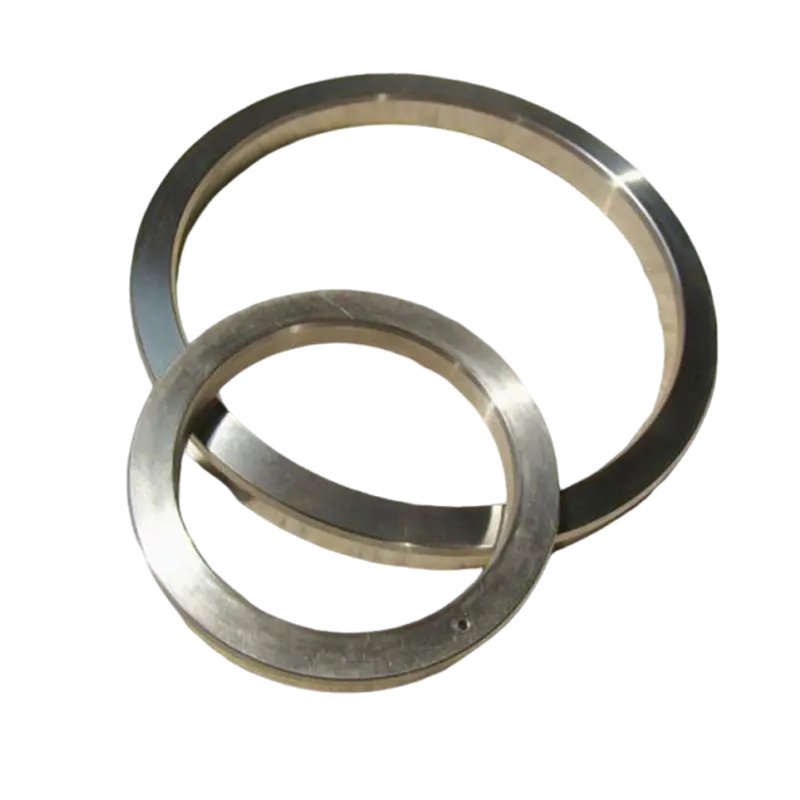
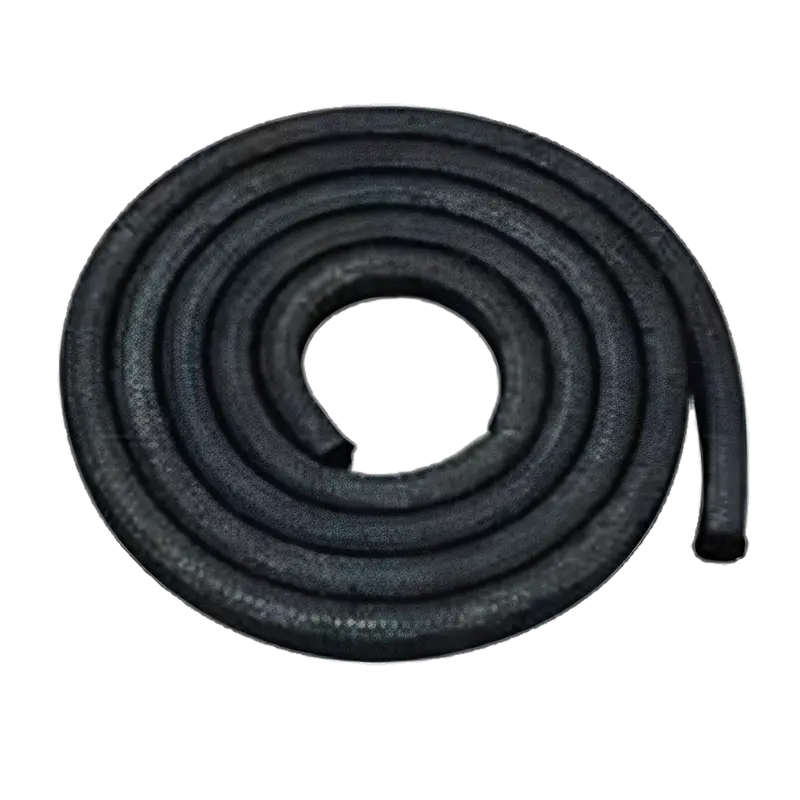
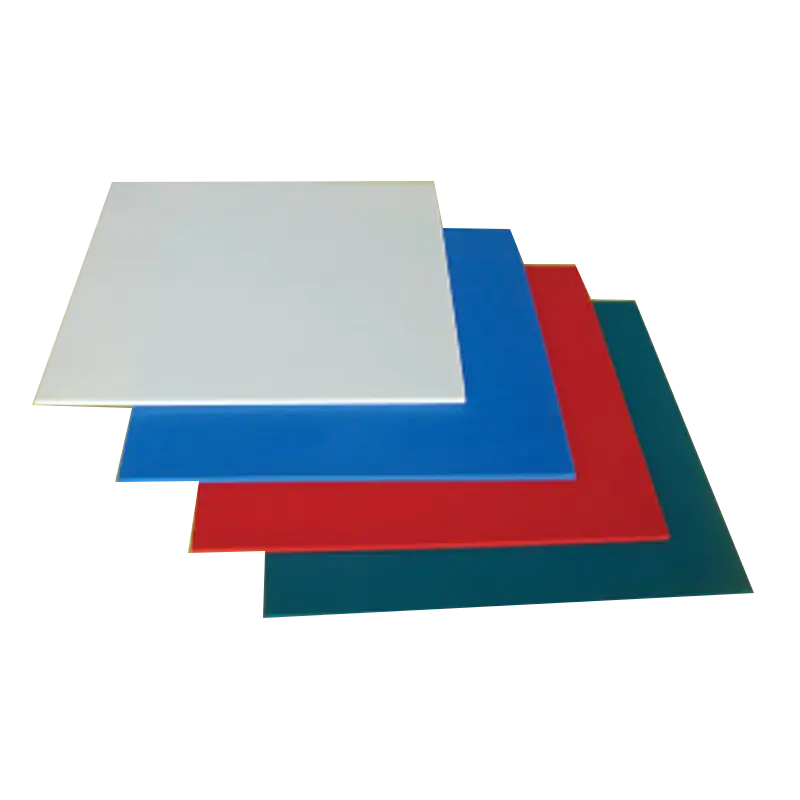
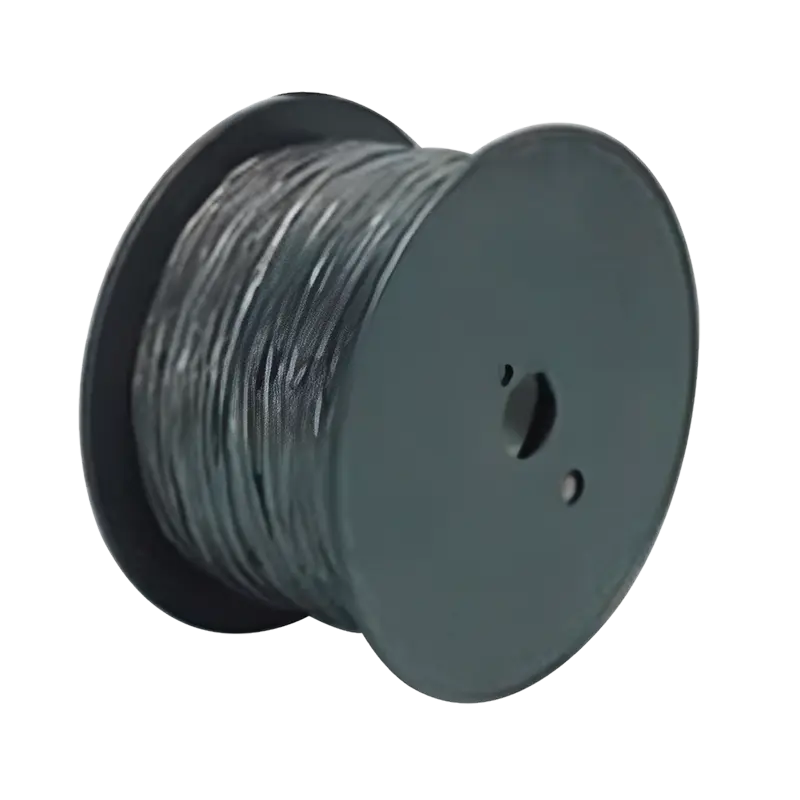
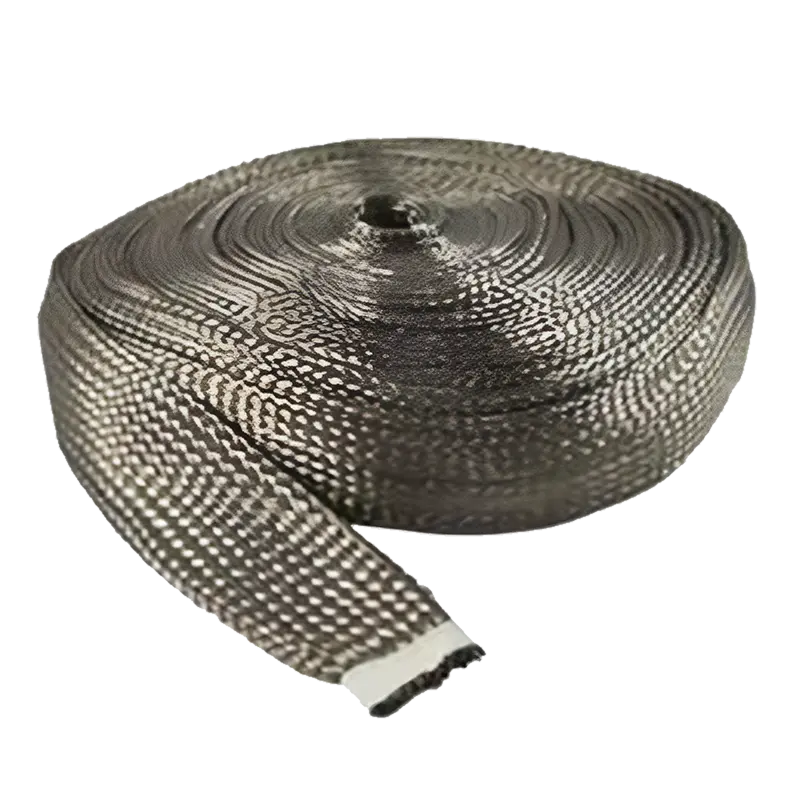
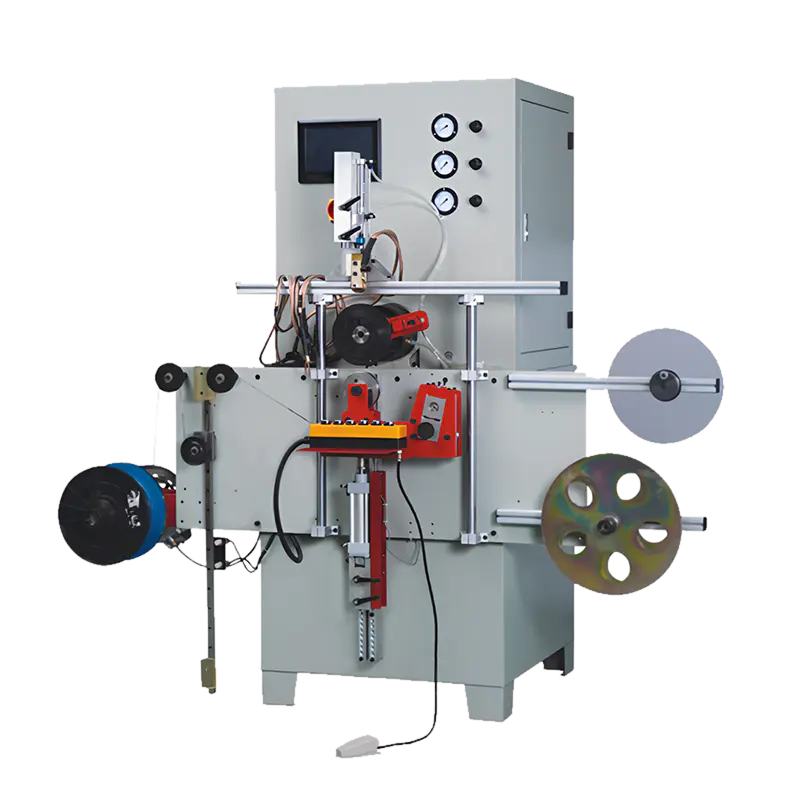
In the demanding world of industrial sealing solutions, precision and reliability are non-negotiable. At the heart of producing superior sealing components lies specialized manufacturing equipment. A Machine for Double Jacketed Gaskets is an advanced, high-precision piece of industrial machinery designed specifically for the production of double jacketed gaskets. These gaskets are critical components used in high-pressure and high-temperature applications across industries like oil & gas, chemical processing, petrochemical, and power generation.
A double jacketed gasket consists of a soft, conformable filler material (often PTFE, Grafoil, or other flexible graphite) encased within a metallic jacket, typically made from stainless steel, carbon steel, or exotic alloys. This construction combines the sealing resilience of the filler with the structural strength and blow-out resistance of the metal jacket. The machine that manufactures these components must therefore handle two distinct processes with utmost accuracy: the precise forming of the metallic jacket and the consistent, controlled insertion and compression of the filler material.
Kaxite has engineered its line of Double Jacketed Gasket Machines based on decades of field experience and customer feedback. Our machines are built for durability, precision, and operational efficiency, ensuring consistent output of high-quality gaskets that meet international standards such as ASME B16.20, API 6A, and DIN.
| Parameter | Specification / Capability |
|---|---|
| Gasket Size Range (Inner Diameter) | 1/2 inch (15mm) to 60 inches (1500mm) |
| Metallic Jacket Material Thickness | 20 AWG (0.8mm) to 12 AWG (2.0mm) |
| Filler Material Compatibility | PTFE Tapes, Expanded Graphite Sheets, Ceramic Fiber, Non-Asbestos Sheets |
| Forming Accuracy | ± 0.1mm on diameter, ensuring perfect circularity and dimensional stability. |
| Production Speed (Cycle Time) | Varies by size; from 30 seconds for small gaskets to 5 minutes for large, complex profiles. |
| Tooling Compatibility | Quick-change tooling system for different sizes and profiles (RJ, R, BX, etc.). |
The Kaxite Machine for Double Jacketed Gaskets is not just about forming metal; it's about creating a perfect, reliable seal. The operational workflow integrates several key advantages:
Q: What are the main differences between a manual, semi-automatic, and a fully automatic machine like Kaxite's?
A: Manual machines require significant operator skill for forming, filling, and compression, leading to variability and slower output. Semi-automatic machines automate one or two steps. A fully automatic Machine for Double Jacketed Gaskets from Kaxite integrates the entire process—strip feeding, jacket forming, hook joint creation, filler insertion, compression, and offloading—into one seamless, PLC-controlled cycle. This maximizes consistency, output rate, and reduces labor dependency.
Q: Can one machine produce different types of double jacketed gaskets (e.g., RJ, R, BX)?
A: Yes, a versatile machine like Kaxite's models can produce various profiles. The key is in the interchangeable tooling. By changing the forming rolls and compression dies, the same machine base can be configured to produce Ring Type Joint (RJ), R-style, BX, and other standard or custom profiles. Our quick-change system minimizes downtime during profile switches.
Q: How important is the compression control for the filler material?
A: It is absolutely critical. The filler's density directly impacts the gasket's sealing ability, creep resistance, and recovery properties. Under-compression can lead to leaks and blow-outs. Over-compression can make the filler too hard, reducing its ability to conform to flange imperfections. Kaxite machines feature digitally controlled, force-feedback compression units that apply precise, repeatable pressure to achieve the specified density every time.
Q: What kind of maintenance does a Kaxite Double Jacketed Gasket Machine require?
A: Maintenance is designed to be straightforward. Regular maintenance includes lubrication of guide rails and bearings, inspection of forming tools for wear, and keeping the HMI and electrical panels clean and dust-free. The robust construction requires minimal unscheduled maintenance. Kaxite provides comprehensive maintenance schedules, easy-access spare parts lists, and full technical support.
Q: Is operator training provided with the purchase of a Kaxite machine?
A: Yes. Kaxite believes in empowering our customers. We provide extensive onsite training covering machine operation, safety procedures, basic troubleshooting, tooling changeover, and routine maintenance. We also supply detailed operation manuals and provide access to our online support portal with video tutorials and documentation.
Q: How does this machinery integrate into an existing gasket manufacturing or maintenance workshop?
A: Kaxite machines are designed as standalone production cells. They require a stable foundation, proper power connection, and adequate space for material feeding and finished part offloading. Our engineering team can provide layout recommendations. The machine's standardized outputs make it easy to integrate with downstream processes like packaging or quality inspection stations.
| Model | KX-DJG100 | KX-DJG200 | KX-DJG300 | KX-DJG500 |
|---|---|---|---|---|
| Max Gasket OD | 12 inches (300mm) | 24 inches (600mm) | 40 inches (1000mm) | 60 inches (1500mm) |
| Metal Strip Width Max | 1.2 inches (30mm) | 2.0 inches (50mm) | 3.0 inches (75mm) | 4.0 inches (100mm) |
| Motor Power (Main Drive) | 3.7 kW | 5.5 kW | 7.5 kW | 11 kW |
| Machine Footprint (LxW) | 2.0m x 1.5m | 2.8m x 1.8m | 3.5m x 2.2m | 4.5m x 2.5m |
| Typical Application | Pump & Valve Gaskets, Small Pipe Flanges | Standard Pipeline Flanges, Heat Exchangers | Large Vessel Flanges, Reactor Manways | Major Pipeline Junctions, Offshore Platforms |


