English

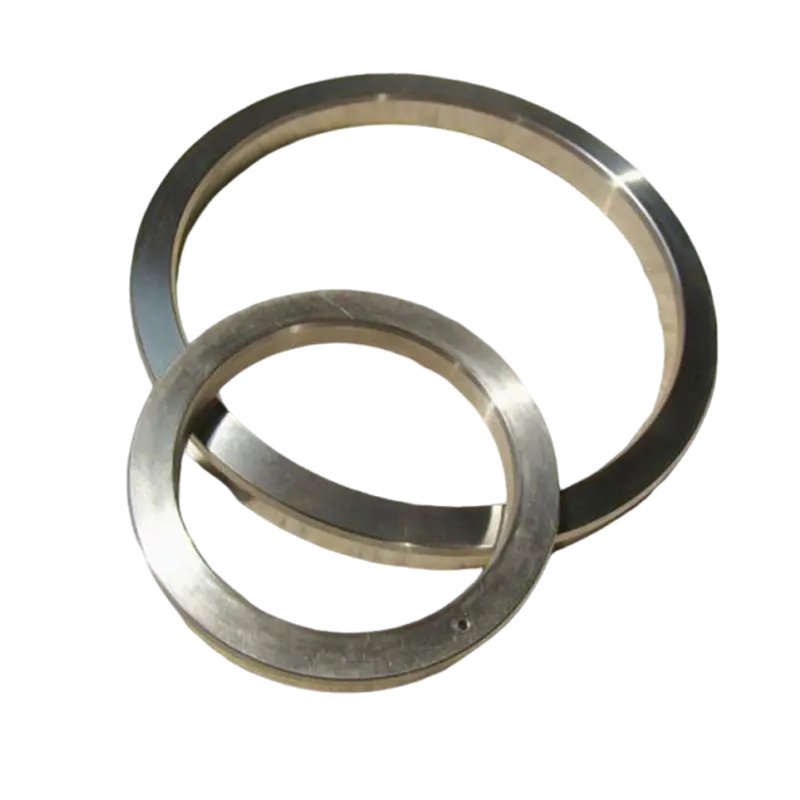
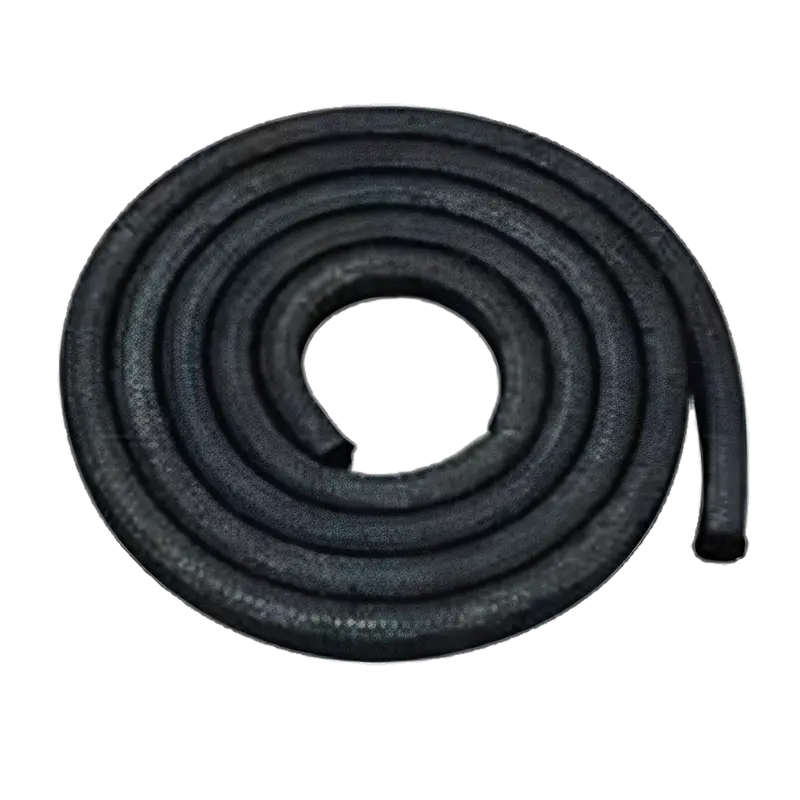
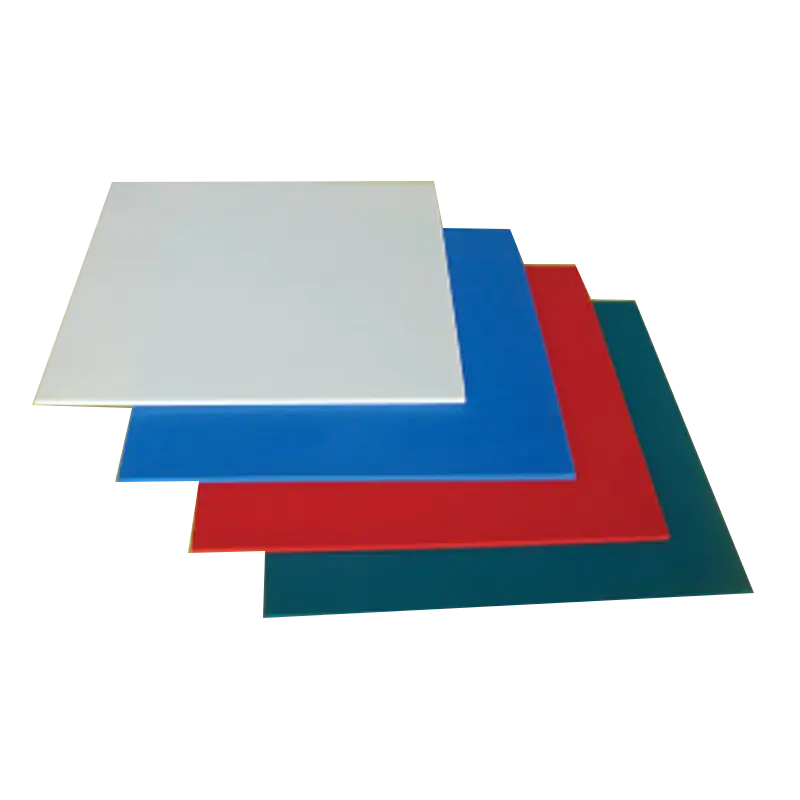
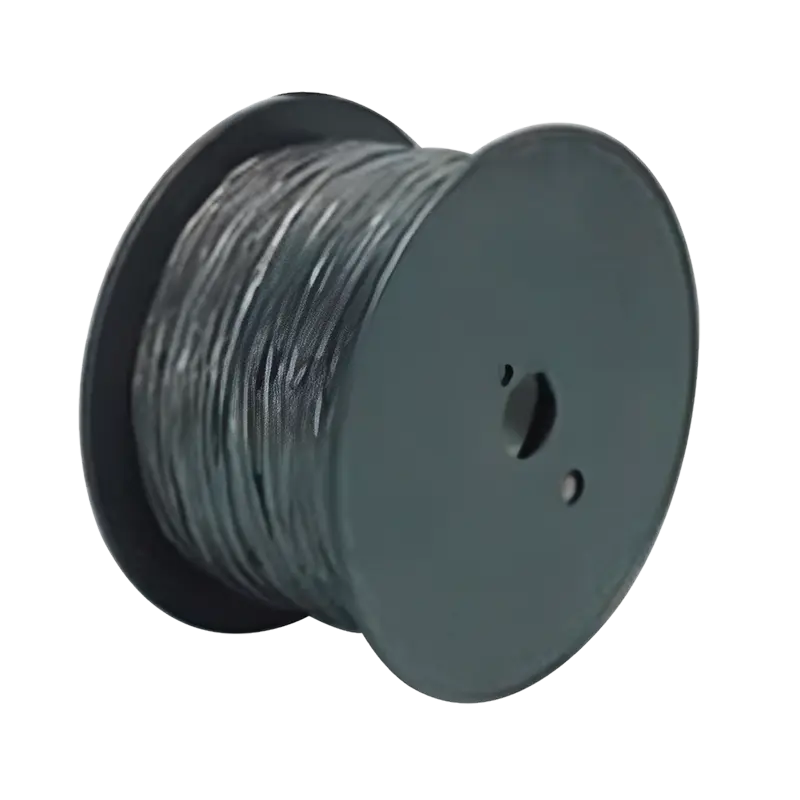
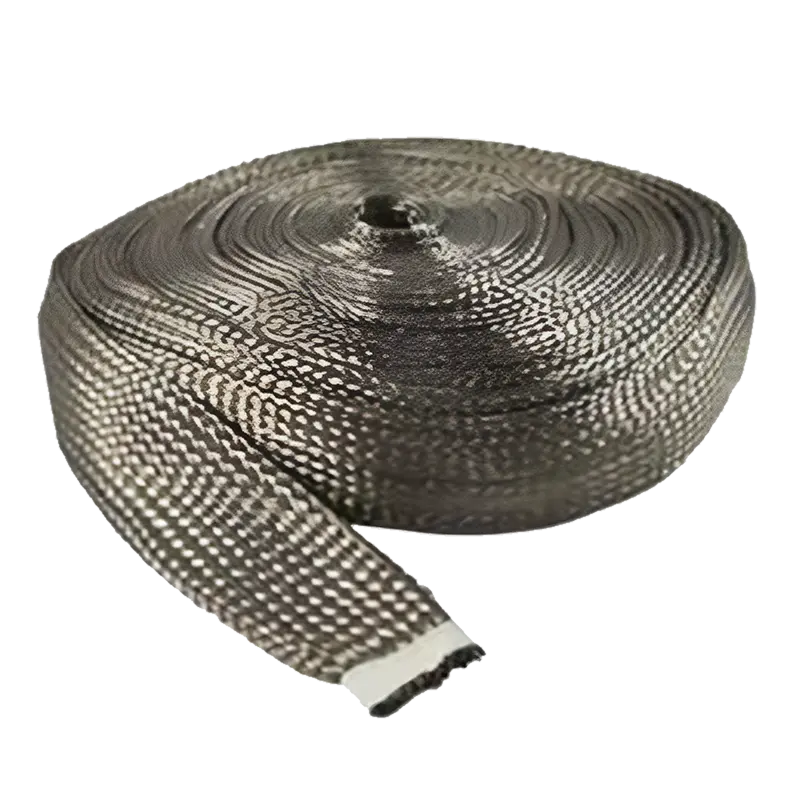

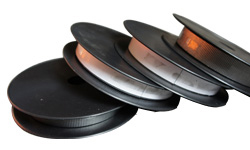
In the world of industrial sealing and DIY projects, finding a reliable, versatile, and easy-to-use solution is paramount. This is where Gasket Tape comes into play. A gasket tape is a form-in-place sealing material, typically made from compressible, non-asbestos materials like rubber, silicone, foam, or PTFE. It is supplied on a roll with a release liner, allowing users to cut it to any length or shape required. This eliminates the need for pre-cut, specific-sized gaskets, offering unparalleled flexibility and reducing inventory costs. The primary function of gasket tape is to create a tight, durable seal between two mating surfaces, preventing the leakage of fluids (water, oil, air, gases) and blocking out dust, dirt, and noise.
At Kaxite, we have engineered our high-performance gasket tape to meet the rigorous demands of various industries, including automotive, plumbing, HVAC, electronics, and general manufacturing. Whether you're sealing an engine cover, a pipe flange, an electrical enclosure, or a household appliance, a quality gasket tape provides a fast, effective, and long-lasting solution.
To ensure you select the perfect sealing product for your application, Kaxite offers a range of gasket tapes with specific properties. Below are the detailed parameters for our flagship series.
| Product Series | Base Material | Thickness | Width | Temperature Range | Color | Key Features & Applications |
|---|---|---|---|---|---|---|
| Kaxite-SR200 (Silicone) | High-Strength Silicone Rubber | 1.0mm, 1.5mm, 2.0mm | 10mm, 15mm, 25mm | -60°C to +260°C (-76°F to +500°F) | Red, Black | Food-safe, UV resistant, excellent for automotive, ovens, and outdoor equipment. |
| Kaxite-NBR300 (Nitrile) | Nitrile Butadiene Rubber | 0.8mm, 1.2mm, 2.5mm | 12mm, 19mm, 25mm | -40°C to +120°C (-40°F to +248°F) | Black | Superior resistance to oils, fuels, and greases. Ideal for fuel systems, oil pans, and machinery. |
| Kaxite-PF450 (Closed Cell Foam) | EPDM/Polyethylene Foam | 3mm, 5mm, 10mm | 20mm, 30mm, 50mm | -50°C to +100°C (-58°F to +212°F) | Black, Grey | Lightweight, excellent for sound dampening, dust proofing, and thermal insulation in electronics and panels. |
| Kaxite-PTFE500 (PTFE) | Pure Polytetrafluoroethylene | 0.5mm, 0.75mm, 1.0mm | 10mm, 20mm | -260°C to +260°C (-436°F to +500°F) | White | Chemically inert, extremely low friction, for aggressive chemical and high-purity applications. |
| Property / Test Method | Kaxite-SR200 | Kaxite-NBR300 | Kaxite-PF450 | Kaxite-PTFE500 |
|---|---|---|---|---|
| Tensile Strength (ASTM D412) | 8.5 MPa | 12 MPa | 0.8 MPa | 25 MPa |
| Compression Set (ASTM D395) | <10% | <15% | <20% | <5% |
| Water Absorption (ASTM D570) | <1% | <3% | <2% | <0.01% |
| Flame Rating (UL 94) | V-0 | HB | HF-1 | V-0 |
Q: Can Kaxite gasket tape be used on high-pressure applications?
A: While Kaxite gasket tapes, especially our SR200 (silicone) and NBR300 (nitrile) series, provide excellent sealing for low to medium-pressure applications (typically up to 200 psi depending on the flange design and material), they are not generally recommended for high-pressure hydraulic systems without consulting our engineering team. For extreme pressures, a solid or metal gasket might be more appropriate.
Q: How long does the adhesive on the gasket tape last? Will it dry out?
A: Kaxite gasket tapes use a high-performance acrylic or rubber-based pressure-sensitive adhesive designed for long-term stability. When stored in its original packaging in a cool, dry place (between 15°C and 25°C / 59°F and 77°F), the adhesive retains its properties for a minimum of 2 years from the date of manufacture. Once applied and compressed between two surfaces, the seal becomes primarily mechanical, ensuring longevity even beyond the adhesive's tack life.
Q: Is the gasket tape reusable?
A: Gasket tapes are generally designed for single-use applications. When the sealed assembly is disassembled, the tape compresses and conforms to the surface imperfections of the flange. Reusing it will likely result in an ineffective seal because the material cannot recover to its original shape and thickness, and the adhesive will have been compromised. For applications requiring frequent access, consider a reusable rubber gasket or an O-ring.
Q: Can I use gasket tape on plastic or painted surfaces?
A: Yes, but with caution. Kaxite gasket tapes have strong adhesion. On delicate plastics or painted surfaces, there is a risk of surface damage or paint peeling upon removal. For such surfaces, we recommend performing a small adhesion test in an inconspicuous area first. For painted automotive valve covers, for example, it is often acceptable. For fragile plastics, a low-tack foam tape might be a better alternative.
Q: What is the difference between open-cell and closed-cell foam gasket tape, and which does Kaxite offer?
A: Open-cell foam has interconnected pores, making it compressible and good for sound absorption but not waterproof. Closed-cell foam has sealed, non-interconnected cells, making it waterproof, buoyant, and better for sealing against liquids and gases. Kaxite's PF450 series is a closed-cell foam, making it ideal for environmental sealing (dust, water) and thermal insulation where moisture resistance is required.
Q: How do I choose the right thickness of gasket tape for my application?
A: The correct thickness depends on the gap you need to fill and the required compression. A good rule of thumb is to select a tape that compresses by 25-40% when the bolts are torqued to specification. For uneven or pitted surfaces, a thicker tape (e.g., 2.5mm or 3mm) may be necessary to fill the voids. For very smooth, machined surfaces, a thinner tape (0.5mm to 1.5mm) is often sufficient. Consult the technical data sheets for compression set values.
Q: Does Kaxite offer gasket tape resistant to specific chemicals like gasoline or solvents?
A: Absolutely. Our Kaxite-NBR300 (Nitrile) series offers excellent resistance to oils, fuels, greases, and many hydrocarbons. For the most aggressive chemicals, including strong acids, bases, and solvents, our Kaxite-PTFE500 (PTFE) tape is virtually inert and is the recommended choice. Always check our chemical resistance chart for compatibility with your specific media.
To maximize the performance and lifespan of a seal made with Kaxite gasket tape, follow these best practices. Always use the correct tape material for the operating environment (temperature, media). Ensure proper surface preparation—this is the most critical step for seal success. Apply the tape without stretching and avoid touching the adhesive surface with your fingers. Use a calibrated torque wrench and follow the recommended bolt tightening sequence and torque values for the specific flange to ensure even compression without damaging the components. Periodically inspect external seals for signs of wear, extrusion, or degradation, especially in demanding environments.