English

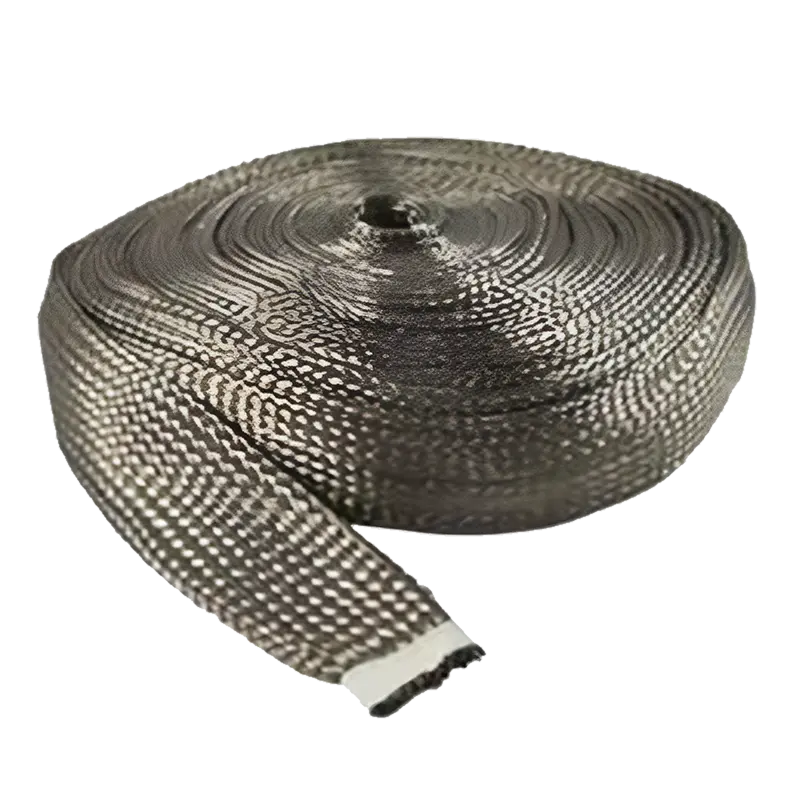
For decades, industrial sealing has relied on specific material properties to withstand extreme environments. Among these materials, Asbestos Gaskets have held a significant place in history due to their unique combination of heat resistance, chemical inertness, and durability. At Kaxite, we understand the legacy and the precise engineering requirements behind these components. While modern regulations have shifted focus to safer alternative materials for many applications, there remains a critical demand for authentic, high-performance asbestos-based gaskets in specific, controlled industrial sectors where their unparalleled properties are still deemed necessary. This guide delves into the technical specifications, applications, and vital handling information for professional-grade asbestos gaskets.
Kaxite asbestos gaskets are not a single product but a category of engineered seals. The primary material is chrysotile asbestos fibers, known for their fibrous, flexible, and incredibly heat-resistant nature. These fibers are typically combined with a binding agent to form a cohesive sheet or composite material. The exact composition determines the gasket's final properties.
Common binding materials include:
The manufacturing process at Kaxite involves carefully blending the asbestos fibers with these binders under controlled conditions, followed by calendaring or molding to achieve specific thicknesses, densities, and surface finishes. This ensures consistency and reliability in every batch.
Selecting the correct gasket requires a deep understanding of its performance limits. Below are the key parameters that define Kaxite asbestos gaskets.
| Property | Typical Value / Range | Test Standard | Significance for Application |
|---|---|---|---|
| Maximum Continuous Service Temperature | Up to 450°C (842°F) | ASTM D117 | Determines suitability for engines, boilers, and high-heat piping. |
| Tensile Strength | 7 - 14 MPa | ASTM D412 | Indicates resistance to blow-out and mechanical stress during installation/operation. |
| Compression Set | 40 - 50% | ASTM D395 | Measures ability to maintain seal under sustained load; lower is generally better. |
| pH Resistance Range | 2 - 12 (Varies by binder) | ASTM D543 | Defines chemical compatibility with acids, alkalis, and solvents. |
| Density | 1.6 - 2.0 g/cm³ | ASTM D792 | Affects the gasket's conformability and creep resistance. |
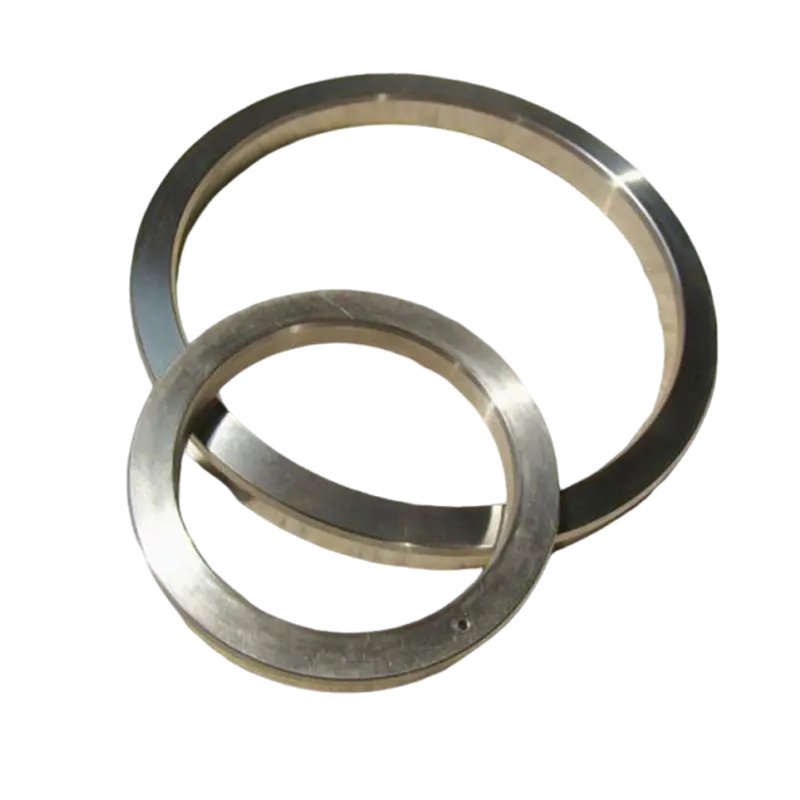
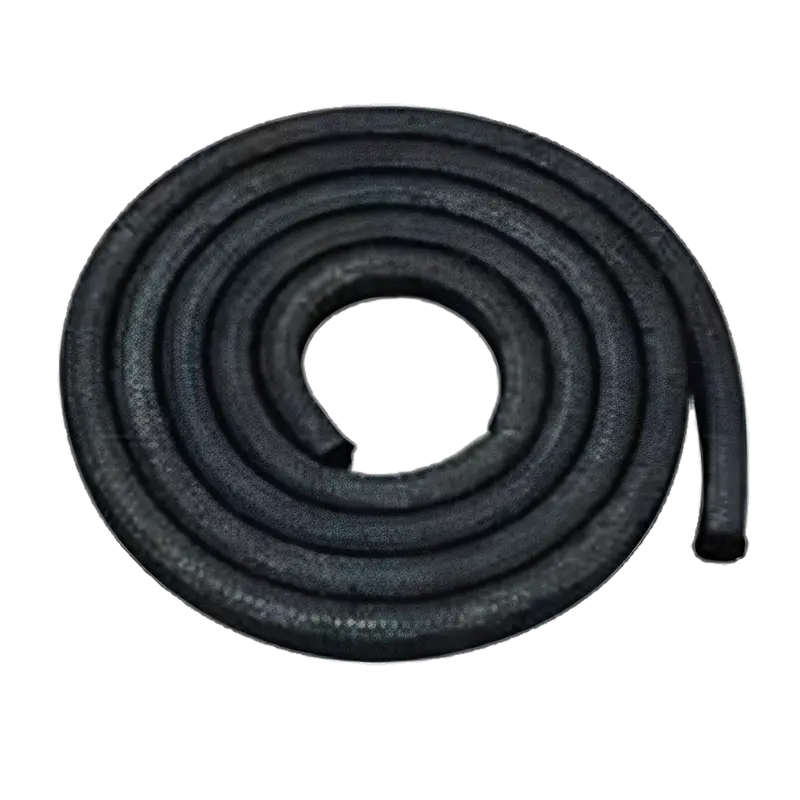
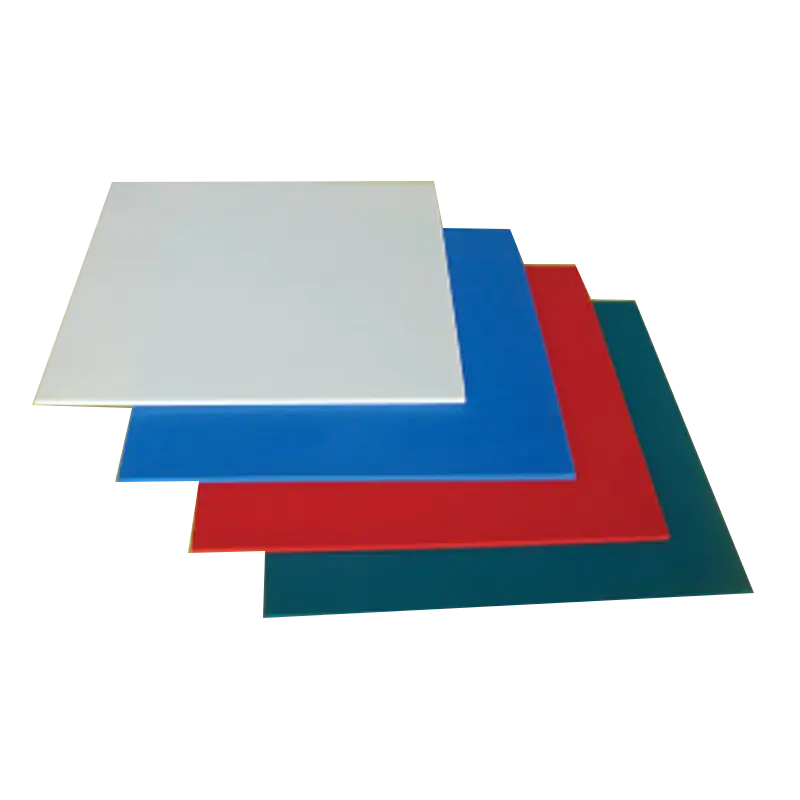
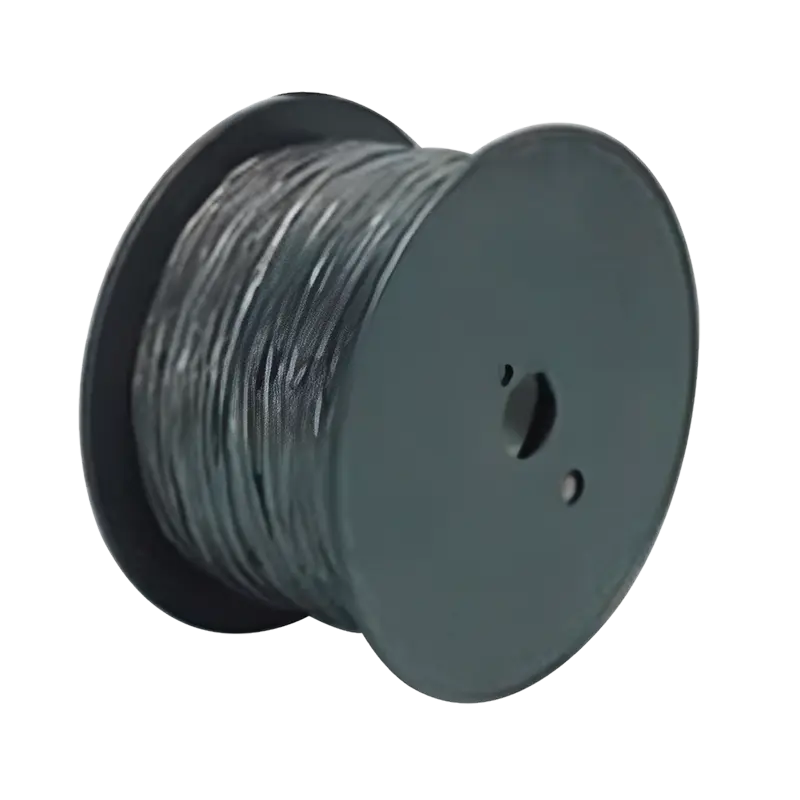
Kaxite asbestos gaskets are supplied in various forms to meet diverse engineering needs:
Due to their robust characteristics, Kaxite asbestos gaskets are specified for demanding applications where alternatives may not perform. Their use is strictly governed by safety regulations.
Critical Note: The use of asbestos gaskets is prohibited or heavily restricted in many countries for new installations. Always consult and comply with all local, national, and international regulations (e.g., OSHA, REACH) before specification or use. Kaxite provides these products solely for compliant, controlled, and legally permissible applications.
Q: Are asbestos gaskets still legal to use?
A: Legality varies drastically by country and region. In many places, the use of asbestos gaskets is banned in new installations but may be permitted for the maintenance of existing equipment under strict controlled conditions. It is the sole responsibility of the buyer and end-user to be fully aware of and in compliance with all applicable laws, including those governing handling, installation, disposal, and worker safety. Kaxite recommends consulting with a qualified safety officer or legal expert.
Q: What are the main safety hazards when handling asbestos gaskets?
A: The primary hazard is inhalation of airborne asbestos fibers, which are released when the gasket material is cut, sanded, drilled, broken, or otherwise disturbed. Prolonged inhalation is linked to serious respiratory diseases, including asbestosis, lung cancer, and mesothelioma. Safe handling mandates using appropriate Personal Protective Equipment (PPE) like P3-rated respirators, gloves, and coveralls. Work should be conducted in controlled, well-ventilated areas, preferably using wet methods to suppress dust, and waste must be disposed of as hazardous material.
Q: How do I properly install and remove an asbestos gasket?
A: Installation: Ensure flange surfaces are clean, flat, and undamaged. Do not cut the gasket on-site if possible; use pre-cut shapes. Lightly coat with a suitable high-temperature sealant if specified. Tighten bolts in a star/cross pattern to the recommended torque to ensure even compression. Removal: This is a high-risk activity. Thoroughly wet the gasket and area with a fine mist of water or a specialized wetting agent to prevent dust generation. Carefully scrape off the material without using power tools that generate dust. Place all debris immediately into approved, labeled asbestos waste bags. Never dry scrape or use abrasive blasting.
Q: Can Kaxite provide asbestos-free alternatives with similar performance?
A: Absolutely. Kaxite is at the forefront of advanced sealing technology. We offer a comprehensive range of high-performance, non-asbestos gasketing materials that meet or exceed the capabilities of traditional asbestos products. These include aramid fiber, glass fiber, and compressed non-asbestos materials reinforced with elastomers. These modern alternatives provide excellent temperature and chemical resistance without the associated health risks. We strongly encourage exploring these safer options for all new projects and retrofits.
Q: What is the shelf life of a Kaxite asbestos gasket, and how should they be stored?
A: When stored correctly, our gaskets have a long shelf life. They should be kept in a cool, dry, and dark environment away from direct sunlight, ozone sources (like electric motors), and excessive heat. Store sheets flat to prevent curling or creasing. Avoid stacking heavy objects on top. Under ideal conditions, the material properties should remain stable for 5-10 years. Always inspect the gasket for dryness, cracking, or damage before use.
Q: How do I identify if an old gasket in my equipment is made of asbestos?
A: Visual identification is unreliable and dangerous, as disturbing the material can release fibers. Asbestos gaskets are often white, gray, or beige and have a fibrous, layered, or compressed appearance. However, many non-asbestos materials look similar. The only definitive way to identify asbestos is through laboratory analysis by an accredited testing service using Polarized Light Microscopy (PLM) or Transmission Electron Microscopy (TEM). If in doubt, assume it contains asbestos and follow strict safety protocols until testing confirms otherwise.


