English

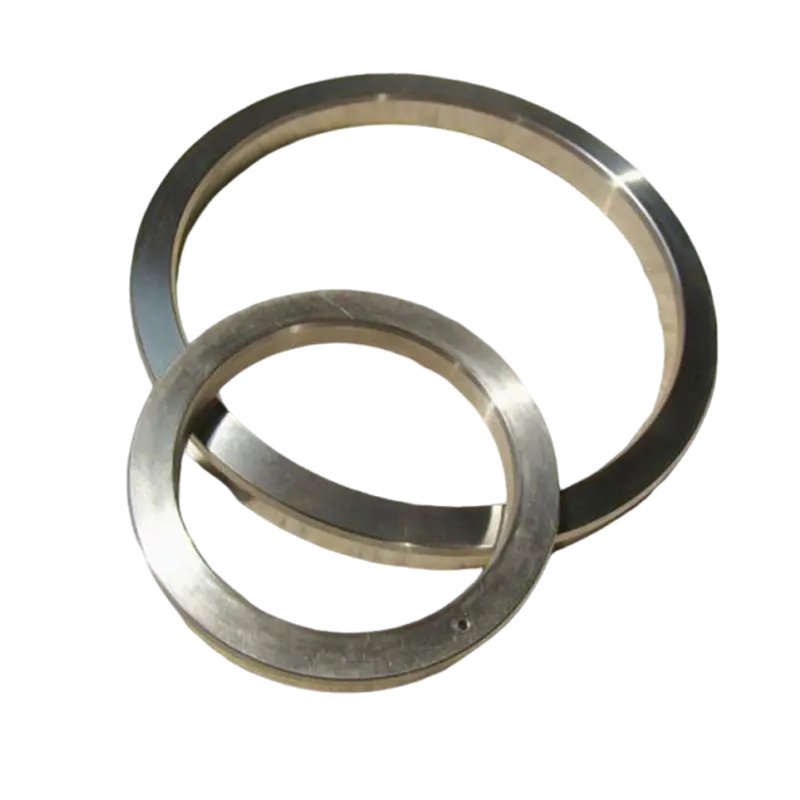
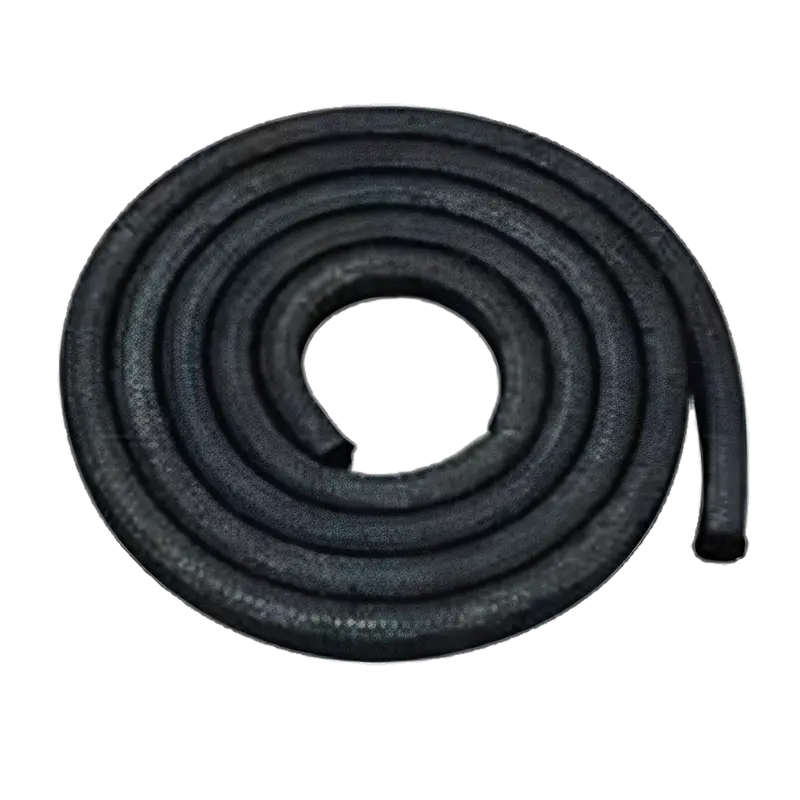
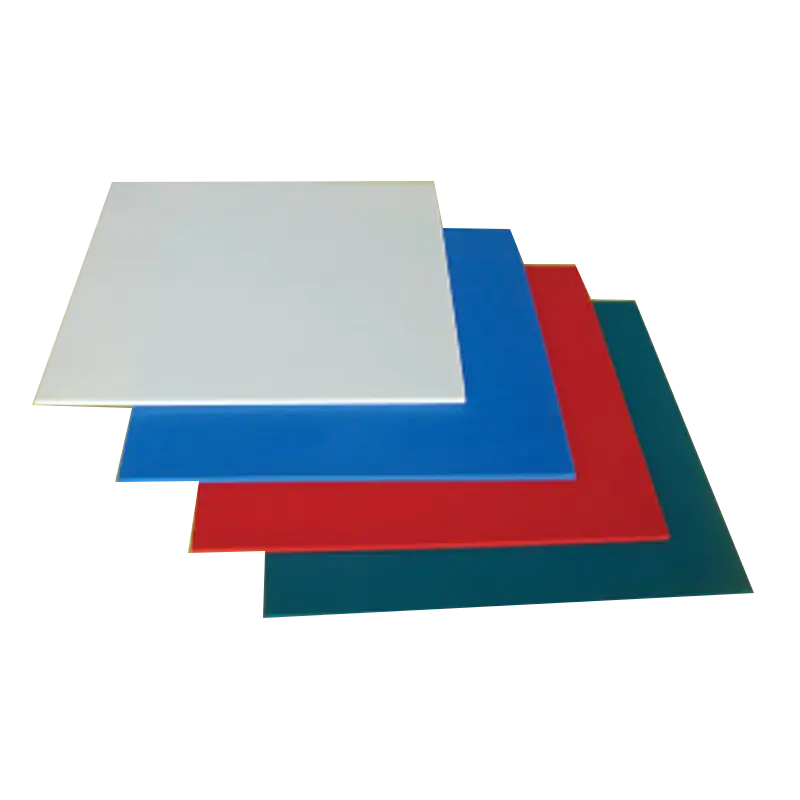
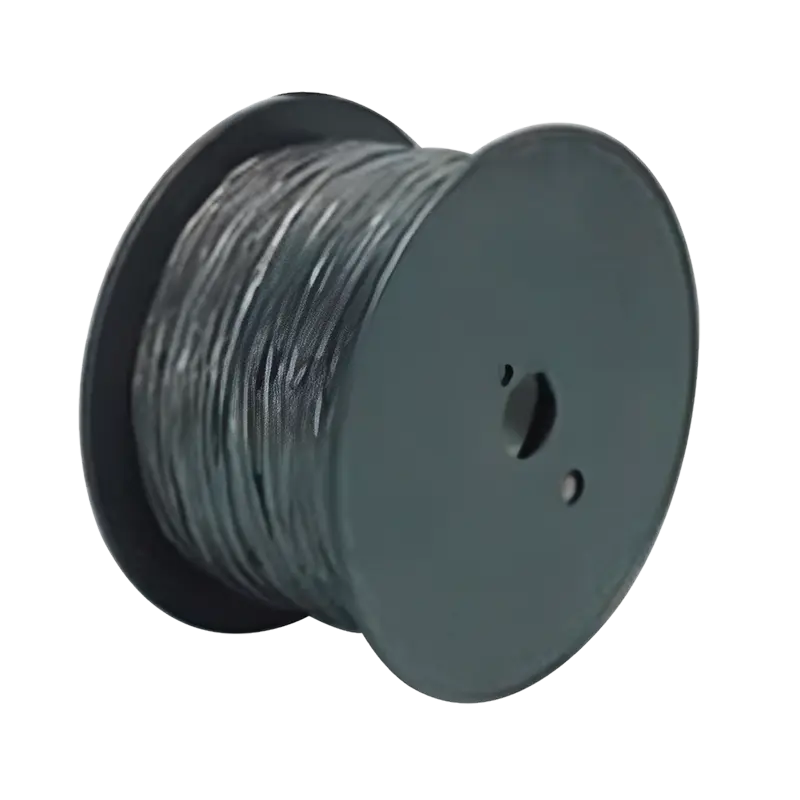
In industrial piping and vessel systems, controlling corrosion and ensuring operational safety are paramount. This is where effective electrical isolation becomes critical. Flange Insulation Gasket Kits are engineered solutions designed to prevent galvanic and stray current corrosion by breaking the electrical continuity between flanged connections. For engineers and procurement specialists, selecting the right insulation kit is not just a purchase; it's a long-term investment in system integrity, safety, and reduced maintenance costs.
Kaxite has been at the forefront of this specialized field, developing and refining high-performance insulation solutions for demanding global applications. Our kits are more than just gaskets; they are complete, ready-to-install systems engineered for reliability.
A standard Flange Insulation Gasket Kit from Kaxite is a comprehensive assembly. Its primary function is to create a dielectric barrier within a bolted flange joint, preventing the flow of electrical current that leads to corrosive cell formation. A complete kit typically includes:
By integrating these components, a Kaxite kit ensures a 360-degree insulation barrier, effectively protecting the joint from corrosive electrochemical reactions.
Selecting the correct kit requires careful attention to technical parameters. Kaxite kits are specified based on the following critical dimensions and material properties.
Kits are tailored to standard flange dimensions (ASME B16.5, B16.47, EN 1092-1, etc.). Key dimensions include:
| Parameter | Description | Importance |
|---|---|---|
| Nominal Pipe Size (NPS) | e.g., 2", 4", 12", 24" | Defines the flange bore and bolt circle diameter. |
| Pressure Class (Rating) | e.g., 150#, 300#, 600#, 900# | Determines flange thickness, number of bolts, and bolt hole diameter. |
| Flange Face Type | Raised Face (RF), Flat Face (FF), Ring Type Joint (RTJ) | Dictates the gasket geometry and sealing surface. |
| Bolt Hole Diameter | Precise diameter of the holes in the flange. | Critical for specifying the correct outer diameter of the insulating sleeves. |
| Bolt Size & Quantity | e.g., 8 x 3/4" bolts | Determines the length and inner diameter of sleeves, and the size of washers. |
The choice of insulating material is driven by service conditions. Kaxite offers materials for a wide range of temperatures, pressures, and media.
| Material | Max Temp. Range | Dielectric Strength (kV/mm) | Primary Chemical Resistance | Typical Applications |
|---|---|---|---|---|
| Virgin PTFE (Teflon) | -200°C to +260°C | >19 | Excellent; resistant to almost all chemicals. | Highly corrosive services, high purity systems. |
| Filled PTFE (Glass, Graphite) | -200°C to +260°C | >15 | Excellent, similar to virgin PTFE. | Improved creep resistance for higher bolt loads. |
| FEP | -200°C to +205°C | >18 | Excellent, similar to PTFE. | Where transparency or melt-processability is needed. |
| Phenolic Laminate (G10/FR4) | Up to 120°C | >20 | Good for oils, solvents, mild acids. | Cost-effective for low-temp water, oil, gas lines. |
| PEEK | Up to 250°C | >19 | Excellent, strong against organics. | High-temperature, high-strength applications. |
Q: Where are Flange Insulation Gasket Kits most commonly required?
A: These kits are essential in industries where dissimilar metals are connected or where stray electrical currents are present. Common applications include: Cathodic Protection (CP) test stations and insulated joints on pipelines; Water treatment plants and desalination facilities; Marine and offshore platforms (shipboard piping, dockside systems); Chemical, petrochemical, and refinery piping; Power generation plants (particularly in cooling water systems); HVAC systems for large buildings; Any pipeline system crossing an electrically discontinuous boundary (e.g., at road crossings, between different soil types).
Q: Can I use just an insulating gasket without the sleeves and washers?
A: No, this is a critical mistake. Using only the central gasket creates a short-circuit path through the metal bolts, rendering the insulation ineffective. The bolts will contact both flanges, allowing electrical current to flow freely. A complete kit with sleeves and washers is mandatory to achieve full dielectric isolation of the entire joint assembly.
Q: How do I determine the correct material (PTFE, Phenolic, etc.) for my application?
A: Material selection depends on three primary factors: Service Temperature, Chemical Media, and Pressure/Bolt Load. For high temperatures (>120°C) or aggressive chemicals, PTFE or PEEK are preferred. For ambient temperature water, oil, or gas lines on a budget, phenolic laminate is often suitable. Always consult the chemical compatibility charts for the specific media and consider the bolt load to avoid excessive creep. Kaxite's technical team can provide detailed guidance based on your specific P&ID and process conditions.
Q: What is the proper installation procedure for a Kaxite insulation kit?
A: Correct installation is key to performance. The general procedure is: 1) Ensure flange faces are clean, dry, and free of burrs. 2) Slide an insulating sleeve onto each stud bolt. 3) Insert the stud bolts into the bottom flange holes. 4) Place the central insulating gasket carefully onto the flange face, aligning with bolt holes. 5) Lower the mating flange into place. 6) On each bolt, assemble: a steel washer (if supplied), then an insulating washer, then the nut. 7) Tighten bolts in a star-pattern (cross-torquing) sequence to the specified torque value to ensure even gasket compression. Avoid over-torquing, which can crush insulating components.
Q: How do I test if an installed insulation joint is working correctly?
A: Post-installation testing verifies isolation integrity. The standard field test involves using a low-resistance ohmmeter (megger) or a specialized flange insulation tester. Measure the electrical resistance across the isolated joint (from one pipe side to the other, not through the bolts). A reading of one megohm or higher typically indicates good isolation. A very low resistance suggests a short circuit, possibly due to missing components, damaged sleeves, or conductive debris in the joint.
Q: Are Kaxite kits suitable for high-pressure or high-temperature services?
A: Yes, Kaxite engineers kits for extreme conditions. For high-pressure/temperature applications, we recommend kits featuring reinforced or filled PTFE gaskets (for improved creep resistance) combined with precision-machined PEEK or high-temp composite sleeves and washers. It is crucial to provide the full design pressure, design temperature, and flange specification to ensure the selected materials meet the mechanical demands without failure.
Q: Can these kits be used for isolation in existing piping without full disassembly?
A: For retrofit applications, "split-kit" designs are available. These feature a central gasket that is split into two or more pieces, and longitudinally split sleeves, allowing them to be installed around the pipe and into the flange joint without needing to remove the bolts entirely or separate the flanges completely. This is a highly specialized installation and should be planned carefully, often with Kaxite's support.
Choosing Kaxite Flange Insulation Gasket Kits brings a suite of engineered benefits to your project. Our kits are not generic assortments; they are precisely configured systems where every component is dimensionally matched and quality-assured to work in unison. We utilize advanced polymer compounds and precision machining to ensure consistent dielectric properties and dimensional accuracy. Furthermore, our technical data sheets provide clear, comprehensive specifications, taking the guesswork out of material selection. For complex or non-standard applications, our engineering team collaborates directly with clients to develop custom solutions, ensuring the insulation kit is perfectly suited to the unique challenges of the service environment. From routine water lines to critical subsea connections, Kaxite provides the reliability that engineers and plant managers depend on for long-term, maintenance-free operation.


